At Least 124 Environmental Defenders Killed Worldwide Last Year
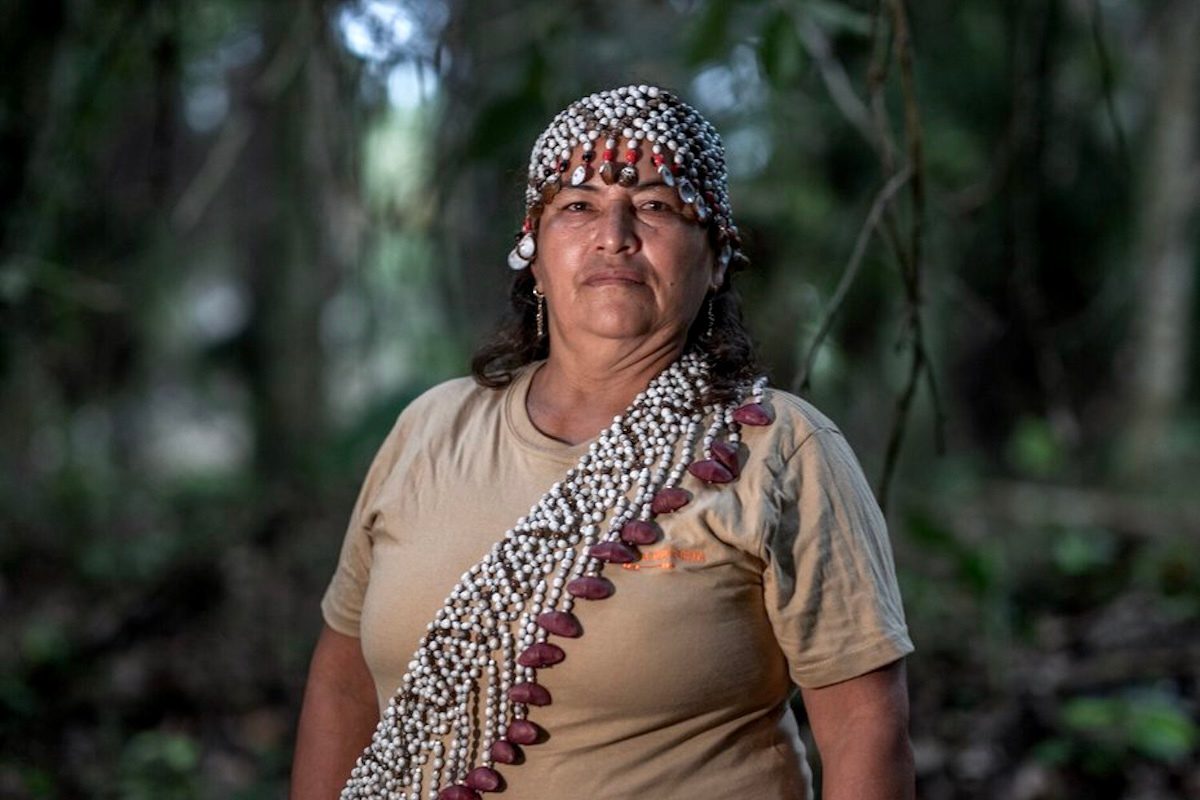
The number is not merely a statistic; it is a tally of silent screams from the front lines of the climate crisis. Every year, as corporations rush to harvest timber, dig for minerals, or drain wetlands, a shadow army of guardians rises to protect the fragile ecosystems that sustain our species. Last year, this resistance came with a horrific price tag: at least 124 environmental defenders were murdered. These were not random acts of violence but targeted eliminations, calculated attempts by those profiting from destruction to silence those who insist that nature has rights, and by extension, humans have a future.
To understand the gravity of this figure, one must look beyond the headlines and into the specific contexts where these deaths occur. From the rainforests of the Amazon to the palm oil plantations of Southeast Asia, and from the indigenous territories of the Arctic to the waterways of Africa, these killings share a common denominator: the defender was standing in the way of unchecked extraction. They are often local farmers, indigenous elders, or community leaders who know the land better than any corporate geologist. When they are killed, the message sent to the rest of the world is terrifyingly clear: do not try to stop this. The cost of protecting a tree or a river is measured in blood.
Yet, the report reveals a disturbing trend that goes beyond the immediate violence. The authors of the study point to a systemic erosion of support from wealthy nations. For years, international human rights organizations and local grassroots groups have relied on foreign aid to document abuses, provide legal aid, and offer safety training to at-risk communities. However, deep cuts to this aid have left these groups scrambling, their ability to intervene weakened by budget deficits. It is a cruel irony that the very nations most responsible for the historical degradation of the planet are now retreating from the financial and political support needed to protect the biodiversity they have helped destroy.
This withdrawal of support creates a vacuum of impunity that killers eagerly exploit. Without the resources to monitor threats or the diplomatic leverage to call out aggressors, defenders are left isolated and vulnerable. The report suggests that this is not an accident of policy but a strategic choice, a way for powerful interests to operate with less scrutiny and fewer obstacles. When the safety net of international solidarity is pulled away, the only thing left for the defender is their own courage, which is often not enough against well-funded, well-armed forces seeking to turn the earth into a commodity.
The implications of this violence extend far beyond the loss of individual lives. Every time an environmental defender is murdered, the fabric of the community they protect begins to unravel. Knowledge of sustainable land management is lost, access to clean water is jeopardized, and the cultural heritage of indigenous peoples is erased. We are witnessing a slow-motion collapse of the planetary systems upon which our global economy depends. The narrative of "progress" that drives deforestation and pollution is being fueled by the bodies of those who refuse to let it continue.
As we process this grim data, we are forced to confront an uncomfortable truth: the fight for the environment is a fight for human survival, and it is being waged with lethal precision. The deaths of 124 people last year are a warning bell that cannot be ignored. They demand a reimagining of our global priorities, a restoration of aid, and a fundamental shift in how we value the natural world. Until we acknowledge that the destruction of a forest is the destruction of our own future, the blood of these defenders will continue to flow, unavenged and unjustified.
On Bluesky? Meet HomeSky.
Follower analytics, a growth toolkit, scheduling and AI posting — built for Bluesky. Connect your account and use everything free for 60 days.
Try HomeSky free →