Booksellers are sounding the alarm over Trump’s anti-antifascist presidential memo.
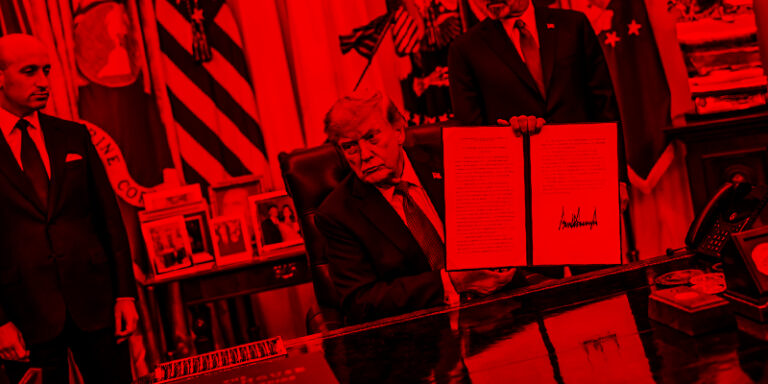
In the quiet corners of independent bookstores, where the air often smells of old paper and fresh coffee, a sudden storm has brewed. A coalition of booksellers recently issued an open letter, sounding a stark alarm regarding the Trump administration's National Security Presidential Memorandum 7. This document, an anti-antifascist directive, has sent ripples of anxiety through a community that has long served as the nation's intellectual conscience and primary defender of free expression. The memo, issued under the premise of enhancing national security, effectively categorizes antifascist organizing as a direct threat to the state, thereby granting the government unprecedented latitude to monitor, disrupt, and potentially criminalize peaceful political assembly.
The gravity of the situation extends far beyond mere bureaucratic oversight; it strikes at the very heart of the mission these independent merchants have pursued for decades. For generations, booksellers have operated as the frontline guardians of diverse thought, stocking shelves with voices that challenge the status quo and ensuring that radical ideas can circulate freely. The NSPM-7 memo represents a fundamental shift in how the government views dissent, framing the very act of organizing against fascism as a security risk rather than a legitimate political endeavor. This creates a chilling paradox where the tools used to understand and combat authoritarianism are suddenly deemed dangerous by the very administration that claims to champion freedom.
The implications for the industry are profound and potentially destabilizing. If a store is flagged as a hub for antifascist activity, it could face increased scrutiny, harassment, or even closure under the guise of national security protocols. The open letter to the American Booksellers Association and the American Booksellers for Free Expression is not just a complaint; it is a desperate bid for clarity and protection against a vague and sweeping definition of "security." The fear is that this memo will be used to justify surveillance of customers, the seizure of inventory, and the creation of a climate where fear suppresses the open exchange of ideas that literature has always protected.
History offers a grim blueprint for what happens when the state begins to view specific ideologies as existential threats. In previous eras, similar memos have been used to curtail civil liberties, silence minority voices, and fracture the social fabric under the banner of safety. The booksellers understand that the erosion of free speech rarely happens overnight; it begins with a single memorandum that redraws the lines of acceptable discourse. By labeling antifascism as a security hazard, the administration risks alienating the very people who need to hear the truth about authoritarianism, turning allies into suspects and libraries into fortresses.
Ultimately, the defense of the bookstore is the defense of democracy itself. These spaces are sanctuaries where citizens can explore the darkest corners of human history to better understand the light of liberty. To undermine these institutions is to undermine the collective ability of a society to self-correct and evolve. The booksellers' alarm is not merely about a piece of paper from Washington; it is a plea to recognize that the health of a nation is measured by how it treats its most vocal critics and its most marginalized thinkers. As the dust settles on this memo, the industry watches closely, wondering if the spirit of free inquiry can survive in a world where dissent is classified as a threat to national survival.
On Bluesky? Meet HomeSky.
Follower analytics, a growth toolkit, scheduling and AI posting — built for Bluesky. Connect your account and use everything free for 60 days.
Try HomeSky free →