Data Broker Radaris Loses Domains in Privacy Fight
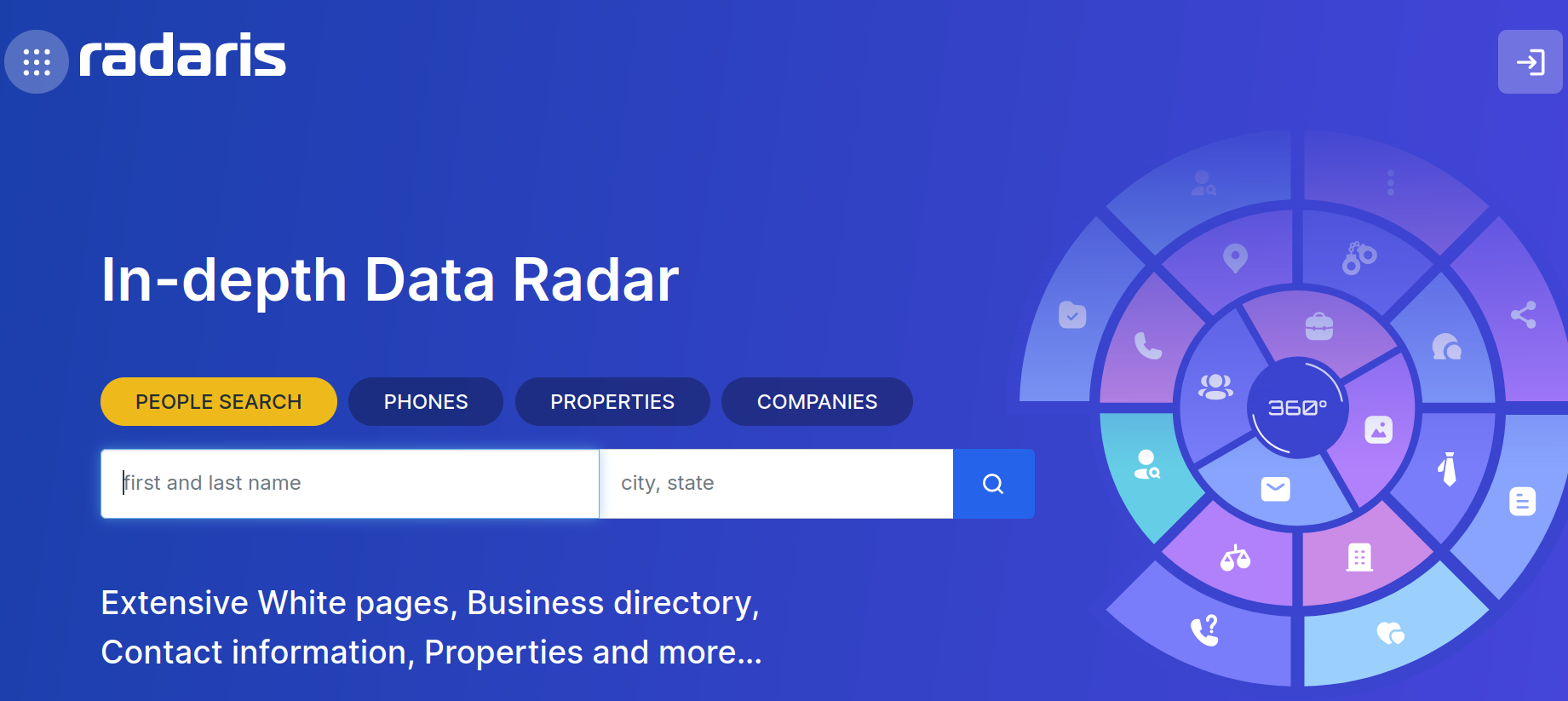
For decades, the digital landscape has been littered with the debris of personal information sold by companies that operate in the shadows. Radaris.com, a prominent player in this industry, cultivated a reputation for being an impenetrable fortress of data, notoriously ignoring requests from individuals seeking to erase their digital footprints. This stance of defiance was not merely a business strategy; it was a testament to a sector where privacy laws were often treated as suggestions rather than mandates. However, the tide is finally turning, and the legal system is beginning to push back against the notion that personal data belongs solely to the brokers who harvest it.
The catalyst for this shift was a specific legal battle brought to light in New Jersey, a state that has taken a leading role in regulating the data broker industry. The lawsuit hinges on a local privacy law designed to protect state law enforcement officials from having their personal information published online. While this may seem like a niche concern, it serves as a critical proxy for the broader issue of surveillance and the right to anonymity. The law provides for hefty fines, a powerful deterrent that Radaris and its peers have historically ignored, betting that the cost of compliance outweighed the risk of enforcement.
In the courtroom, the dynamic between the plaintiff and Radaris's legal team revealed a disturbing pattern of obstruction. Rather than engaging in good-faith negotiations or providing the necessary documentation to prove compliance, Radaris's attorneys resorted to stonewalling and prevarication. They treated the legal process as a game to be outmaneuvered rather than a mechanism to be respected. This attitude, common among industry veterans who believe they are above the law, ultimately backfired. The judge, facing repeated delays and a lack of cooperation, lost patience with the corporate posture that had been the backbone of the data broker's business model for years.
The resulting order marked a watershed moment, mandating the transfer of control over radaris.com and more than a dozen other associated domains. This is not a minor administrative tweak; it is a strategic dismantling of a vast empire of people-search services. By seizing these domains, the court effectively removed the primary vehicle through which Radaris monetized the exposure of private citizens, including law enforcement officers. It sends a clear message that the status quo is no longer tenable and that the judicial branch is willing to intervene directly when regulatory frameworks are ignored.
This victory for the plaintiffs is likely to ripple outward, influencing how other data brokers operate in the wake of this ruling. The data brokerage industry has long relied on the assumption that the decentralized nature of the internet protects it from accountability. However, when a single entity refuses to adhere to the letter of the law, the consequences can be swift and severe. The case of Radaris demonstrates that even the most entrenched players in the surveillance economy are not immune to the forces of legal accountability.
Ultimately, this outcome represents a significant step toward reclaiming personal autonomy in an era of unprecedented data collection. It challenges the narrative that privacy is a commodity to be bought or sold and reaffirms that individuals have a fundamental right to control their own information. As the dust settles on this particular lawsuit, the broader industry must now confront a new reality: the days of unchecked data brokering are numbered, and the courts are ready to enforce the boundaries that have been ignored for too long.
On Bluesky? Meet HomeSky.
Follower analytics, a growth toolkit, scheduling and AI posting — built for Bluesky. Connect your account and use everything free for 60 days.
Try HomeSky free →