Iceland, One of Three Countries That Still Hunts Whales, Considers Ban
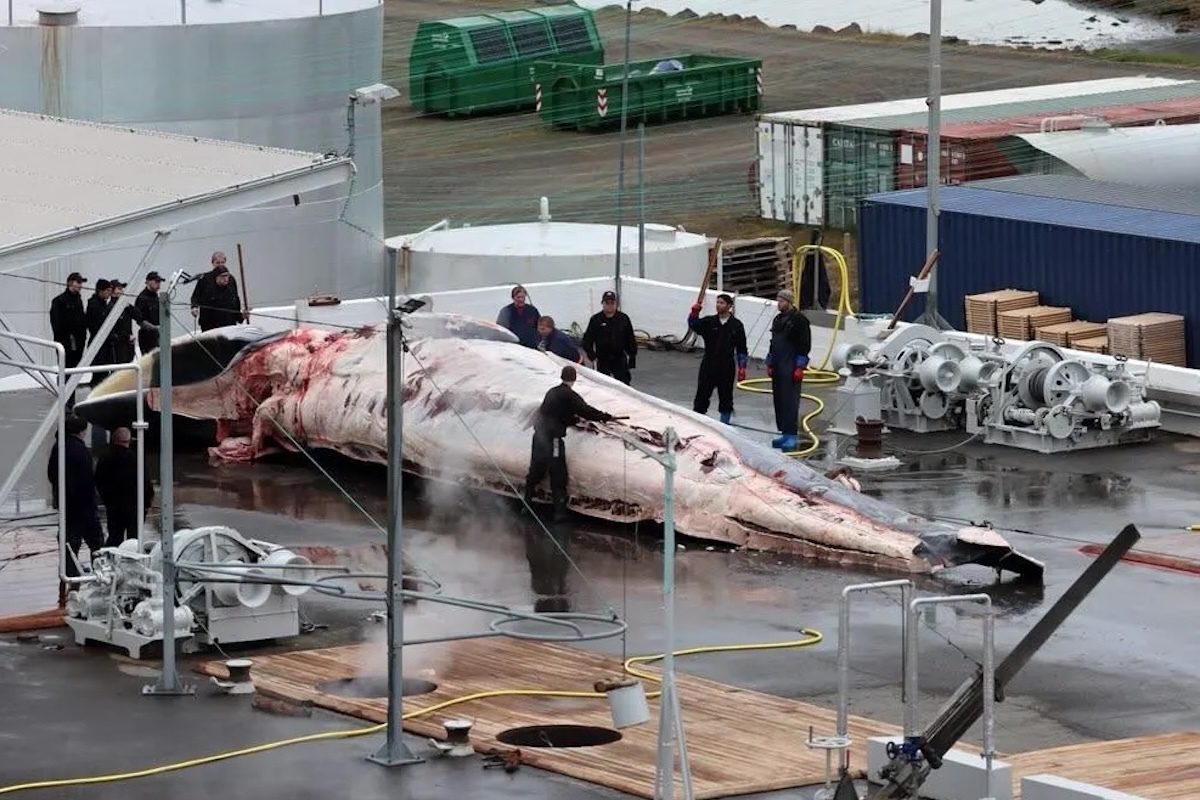
For centuries, the North Atlantic has served as a stage for the most dramatic chapters of human survival, where the rhythm of life was dictated by the slow, heavy breathing of great whales. Now, the tide is turning once again in Iceland, a nation that has long stood as one of the last bastions of this ancient practice. Alongside Norway and Japan, Iceland remains the only place on Earth where commercial whaling is legally sanctioned, a status that has persisted despite a global consensus that has all but extinguished the hunt. But the silence of the sea is about to be broken by a political storm in Reykjavik, as the government prepares to introduce a bill that could finally end the era of Icelandic whaling.
The decision is not merely a bureaucratic shuffle; it is a collision between deep-seated tradition and the shifting tides of modern ethics. For decades, the Icelandic whaling fleet has operated under the guise of cultural heritage and food security, arguing that the harvest of fin whales and other species is a necessary part of their national identity. Yet, the economic reality is starkly different. The industry is a shadow of its former self, struggling with low yields and diminishing public support. The proposed ban represents a pivotal moment where the state acknowledges that the moral and economic costs of continuing the hunt outweigh the perceived benefits, signaling a profound transformation in how the nation views its relationship with the ocean.
This potential shift carries immense weight beyond Iceland's narrow shores. The international whaling community is fractured, with nations divided along ideological lines that have persisted for generations. By moving toward a ban, Iceland would not only align itself more closely with the majority of the world's population but also send a powerful message to the remaining whaling nations. It suggests that the era of exceptionalism is ending and that no nation, regardless of its history or self-perceived rights under international law, can indefinitely insulate itself from the global consensus against commercial exploitation of marine mammals.
The narrative of the Icelandic hunt has always been one of resilience, but resilience can also become a burden when it traps a society in the past. The upcoming legislative move invites a reimagining of what it means to be an island nation in the twenty-first century. It forces a conversation about identity that transcends the whaling deck, asking citizens to consider how they wish to define their future. Is their legacy to be written in the logs of a dying industry, or in the revitalization of a sustainable relationship with the marine ecosystem that has sustained them for millennia?
As the bill moves toward a vote in February, the atmosphere in the capital will be thick with anticipation and anxiety. This is not a debate that can be settled with a simple yes or no; it is a reckoning with history itself. Whether the ban passes or is delayed, the outcome will resonate through the icy waters of the North Atlantic, altering the trajectory of a practice that has defined a segment of human existence for too long. The whales may not know the names of the politicians making the decision, but they will surely feel the changing currents of a world that is finally ready to let them breathe.
On Bluesky? Meet HomeSky.
Follower analytics, a growth toolkit, scheduling and AI posting — built for Bluesky. Connect your account and use everything free for 60 days.
Try HomeSky free →