Motorola’s Stylish New Phone ‘Pushes the Boundaries’ of Mobile Photography
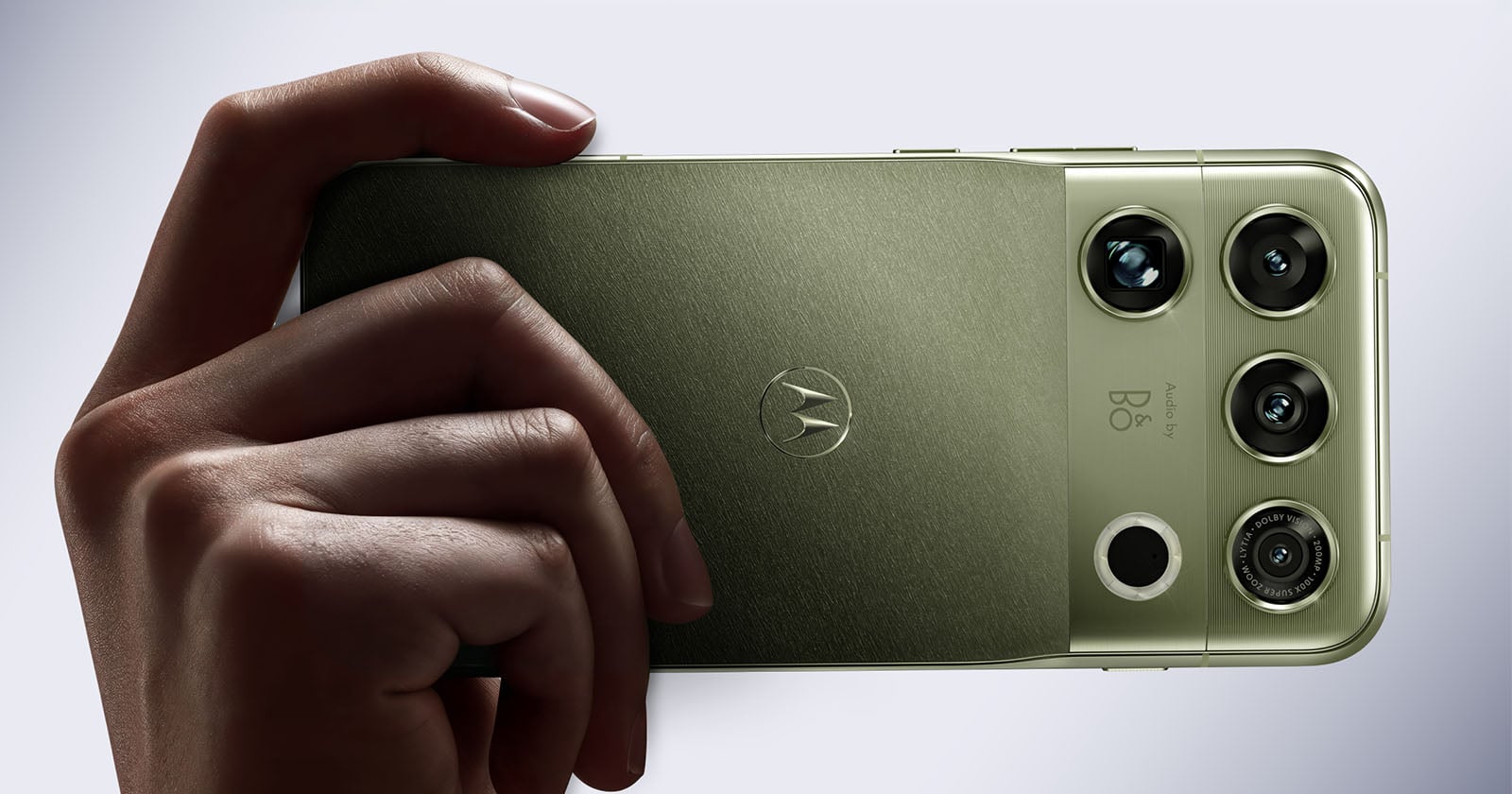
The idea that a smartphone camera could ever rival the stillness of a DSLR on a tripod is often dismissed as marketing fluff, yet Motorola has quietly shifted the needle on that conversation. At Qualcomm's Snapdragon Summit, amidst the usual fanfare for new chipsets, the unveiling of the Signature 27 felt less like a standard product launch and more like a declaration of a new era for mobile imaging. By anchoring this device to the newly announced Snapdragon 8 Elite Extreme Gen 6 Mobile Platform, Motorola isn't just adding more megapixels; they are attempting to fundamentally alter the relationship between the photographer and their subject.
The core of this shift lies in the silicon. The Snapdragon 8 Elite Extreme Gen 6 represents a leap in computational photography power that allows for unprecedented control over light, shadow, and depth. For years, phone cameras have relied on heavy-handed software to smooth out noise and artificially boost dynamic range, often at the cost of authenticity. The Signature 27, however, leverages this raw processing capability to offer a level of detail and clarity that feels genuinely analog, even when shooting in challenging low-light conditions where previous flagships struggled to hold a candle to dedicated cameras.
This is not merely about better specs; it is about the democratization of high-end visual storytelling. In the past, the barrier to capturing that specific "candid moment" with perfect exposure was the physical limitations of the sensor and the need for a secondary device. Motorola's approach suggests that the phone itself is now the complete studio. When they claim to push the boundaries of mobile imaging, they mean it in the sense that the device no longer requires the user to compromise between mobility and quality. The shutter release is still just a tap, but the outcome is now indistinguishable from a professionally operated setup.
There is a deeper narrative here regarding the future of consumer electronics. We are moving away from the era of incremental upgrades, where a new phone is just a slightly faster processor and a slightly better screen. The Signature 27 signals a pivot toward specialization. Manufacturers are realizing that the smartphone is no longer just a communication tool; it is the primary lens through which modern life is recorded and shared. By prioritizing imaging architecture above all else, Motorola is betting that the next generation of users won't just want to take a photo; they want to craft a visual experience that stands the test of time.
The implications for photography culture are significant. If a device can truly "push the boundaries" as claimed, it changes the behavior of the photographer. People might be more willing to shoot in spontaneous moments without the anxiety of missing the shot due to technical limitations. The fear of the blurry, over-processed image that plagues social media feeds is being replaced by confidence in the hardware. This shift could lead to a richer, more authentic visual record of our daily lives, where the medium itself recedes into the background, allowing the moment to take center stage.
Ultimately, the Signature 27 is more than a phone; it is a testament to the relentless pursuit of optical perfection within a pocket-sized form factor. It challenges the industry to stop settling for "good enough" and to ask what is truly possible when the constraints of physics are met with the power of cutting-edge engineering. As we look toward the future of mobile technology, this launch serves as a powerful reminder that the camera, once a luxury of the elite, is finally becoming a tool of universal precision, capable of capturing the world in a way that honors its complexity.
On Bluesky? Meet HomeSky.
Follower analytics, a growth toolkit, scheduling and AI posting — built for Bluesky. Connect your account and use everything free for 60 days.
Try HomeSky free →