Rejected pitches for Practical Magic 2.
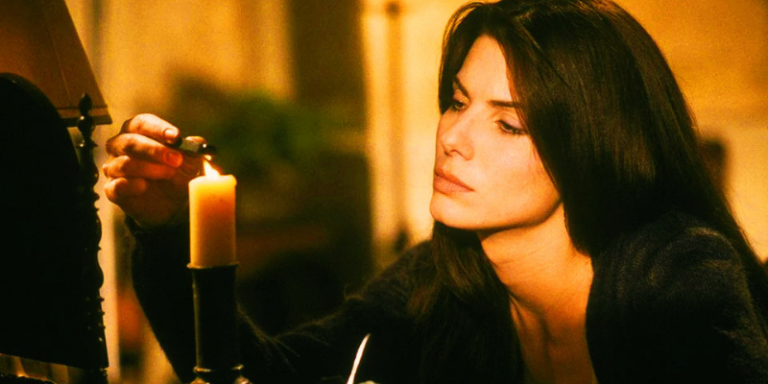
There is a peculiar, almost magical tension in the idea of a sequel to Practical Magic. For nearly three decades, the world has held its breath, waiting for the return of Sally and Gillian Owens, sisters bound by witchcraft and by a family curse that seems to twist romance into something sharp and dangerous. The 1998 film adaptation, with its sweeping Maine coastlines and the ethereal presence of Winona Ryder and Sandra Bullock, cemented these characters as modern folklore. Yet, the announcement of a sequel often sparks a specific kind of skepticism among fans: why wait so long? Why revisit a story that was essentially a closed loop of fate and siblinghood? The answer lies not in a lack of imagination, but in the profound difficulty of capturing the delicate balance between the whimsical and the tragic that Alice Hoffman originally mastered.
The challenge of adapting Practical Magic for a sequel is that the first film's narrative arc was so perfectly contained in its own mythology that adding more plot risks diluting the atmosphere. The original story was about the realization of power; a sequel must be about the endurance of that power. In a world where "whimsigoths" have grown up and passed on the mantle of the Owens legacy, the stakes have shifted. It is no longer about learning to cast a spell, but about maintaining a life where magic is mundane yet still extraordinary. This shift requires a narrative approach that respects the original's quiet intensity while expanding the scope to include the next generation of women who must navigate a modern world that often misunderstands or fears the supernatural.
Critics of the original film often point out the limitations of its source material's pacing, yet the film's enduring cult status suggests that audiences crave the specific texture of its magic. The rejection of numerous pitches for this sequel likely stemmed from the fear of turning the story into a generic fantasy blockbuster, complete with dragon-slaying and high-stakes battles. Instead, the most compelling path forward, perhaps the one that finally landed with the right pitch team, is to focus on the psychological weight of the curse. The Owens sisters are defined by their vulnerability; a sequel that leans too heavily into action loses the soul of the story. The true magic of Practical Magic is in the small, terrifying moments of choice, and any expansion must preserve that intimate, human scale.
As we celebrate this long-awaited return, it is worth remembering that the story of the Owens sisters is really a story about the resilience of the female lineage. From New England to the Pacific Northwest, the fans who have kept these characters alive for thirty years understand that magic is not just about wands and incantations; it is about the ability to survive in a world that frequently tries to silence or suppress the feminine. The sequel offers a chance to explore how these ancient traditions evolve, not through grand revelations, but through the quiet, stubborn acts of women refusing to let their power fade. It is a reminder that while the world may change, the need for magic, and the need for magic to be shared, remains constant.
Ultimately, the success of Practical Magic 2 will not be measured by box office numbers alone, but by how well it honors the spirit of the original while daring to ask what comes next. It is a story that demands patience, much like the growth of a witch's garden or the slow unraveling of a family secret. For those who have waited, the release is not just a new chapter in a book, but a confirmation that the magic we love is real enough to survive the test of time. The sisters are back, and their story continues, proving that some things are too important to ever truly end.