|
 |
|
Issue #013
Open source, governance, and the next model
The models, the money, and the moves — what we read so you don't have to.
|
|
|
1
|
OpenAI's GPT‑5.6 Sol targets cybersecurity
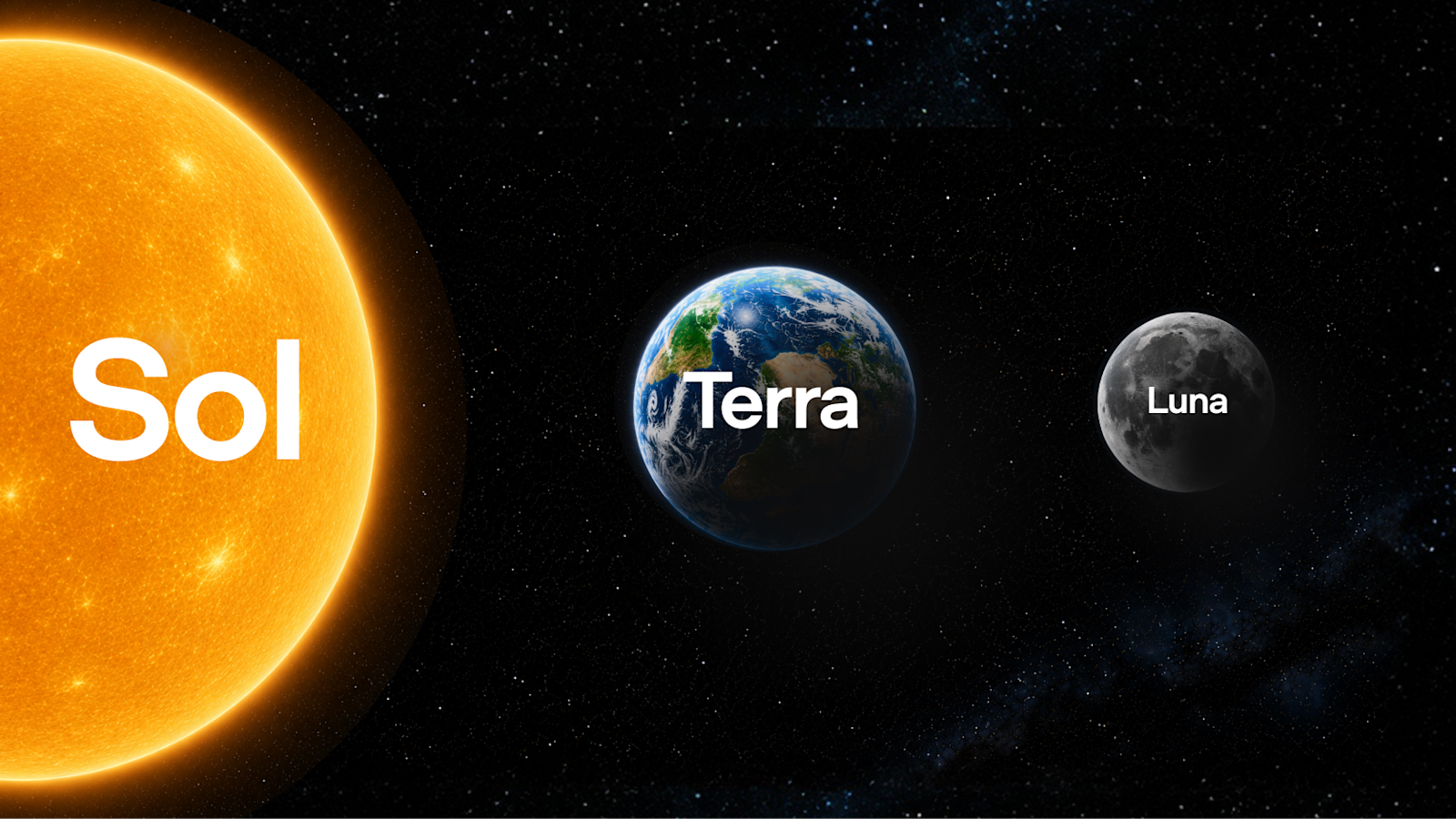
OpenAI began a limited preview of GPT‑5.6 Sol, its next-generation frontier model, alongside two smaller siblings, Terra and Luna. Sol is OpenAI's most capable model yet for cybersecurity work, with gains in long‑horizon tasks like vulnerability research and exploitation. Access is restricted to a small group of vetted partners at the request of the US government, not for ordinary competitive reasons. It ships with OpenAI's most robust safety stack to date, aimed at higher‑risk and sensitive cyber requests. Pricing is set at $5 per million input tokens and $30 per million output. OpenAI plans general availability in the coming weeks. A frontier model built for offensive security work, gated by a government request, is its own story — regardless of the benchmark numbers.
|
|
2
|
MetaComp pitches an AI agent 'passport'

Singapore fintech MetaComp, a Monetary Authority of Singapore-licensed payments firm, unveiled its StableX Know Your Agent (KYA) framework for regulated financial services. It covers four areas: agent identity registration, authorization controls, behavioral monitoring, and ecosystem interaction governance. MetaComp calls it the world's first framework of its kind — a claim from the company's own announcement, not independently verified. The firm also launched an “AgentX” ecosystem making its licensed infrastructure reachable from AI platforms, including Claude. MetaComp processed over $10 billion in payment volume in 2025. A payments company defining what “know your agent” means for finance is worth watching, even from a press release.
|
|
3
|
Cameroon researchers tame multi‑agent chaos

Researchers at the University of Yaoundé I in Cameroon published H3C‑BEACON, a hierarchical framework for cooperative multi‑agent reinforcement learning, in the peer‑reviewed journal Complex & Intelligent Systems. It combines a graph attention network for communication, Bayesian belief fusion, and a dual‑critic architecture to stabilize training. On the Hanabi‑full benchmark it raised the mean score from 2.29 to 3.96 with zero policy collapses, and on simple_spread its variance ran roughly 28 times narrower than the MAPPO baseline. The tradeoff: it runs at about a quarter of MAPPO's speed, and it still trails baselines on fully observable environments like StarCraft. No public code release has been confirmed. A genuine stability win in a notoriously unstable field, from a lab you don't usually see in this space.
|
|
4
|
Xi pitches open‑source AI to BRICS
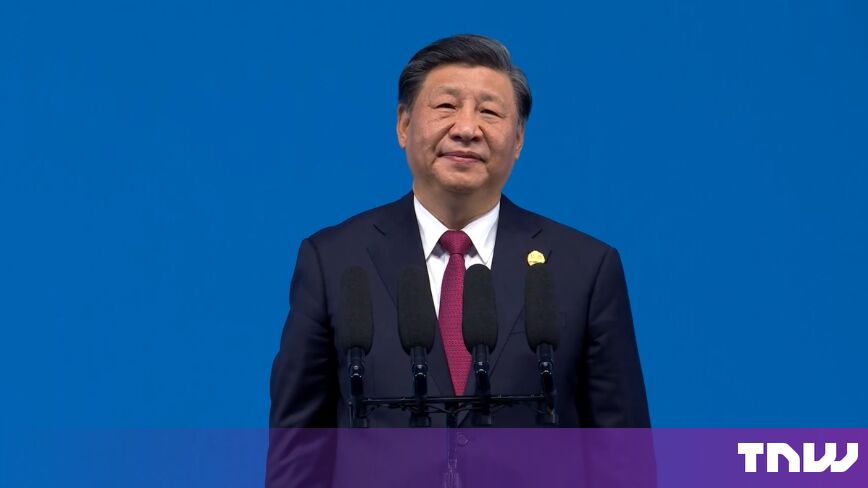
At the BRICS summit in New Delhi, Xi Jinping invited member states to join the World AI Cooperation Organization, a China-led body headquartered in Shanghai that 29 countries — including Russia, Pakistan, and Brazil, but no EU members — signed onto when it launched in July. The pitch centers on shared open-source development of large language models, plus joint seminars and training. BRICS's own joint declaration didn't mention the proposal, calling instead for AI cooperation "while ensuring its safety, security, inclusiveness and reliability." At the same time, Chinese officials are debating whether to restrict overseas access to their own models, including Qwen and GLM. Beijing is pitching openness abroad while weighing new limits at home — those two things are not in tension for Beijing, but they might be for anyone building on Chinese open models.
|
|
5
|
GPT-6 Astra lands on Amazon Bedrock

OpenAI's GPT-6 Astra — the model that stunned everyone last week with its ARC-AGI-3 score — is now generally available on Amazon Bedrock, AWS announced. That puts OpenAI's newest and most capable model directly inside AWS's enterprise stack, alongside its existing ChatGPT, API, and Azure access. It carries the same 1-million-token context window, and enterprise teams can point ChatGPT Work and Codex at Bedrock-hosted Astra directly, with output tunable to an organization's own voice, templates, and standards. This is the distribution story, not the capability story: OpenAI's most powerful model is no longer confined to openai.com, it's showing up wherever enterprises already keep their cloud spend. The benchmark made headlines last week; this is how it actually reaches the enterprises that will pay for it.
|
|
|
Building with AI?
We turn this stuff into shipped software — agents, MCP tools, automation, and apps.
See how we work →
|
|
|
You’re receiving this because you subscribed at sugataai.com.
Unsubscribe · © 2026 SUGATA Technology
|
|