Data Broker Radaris Loses Domains in Privacy Fight
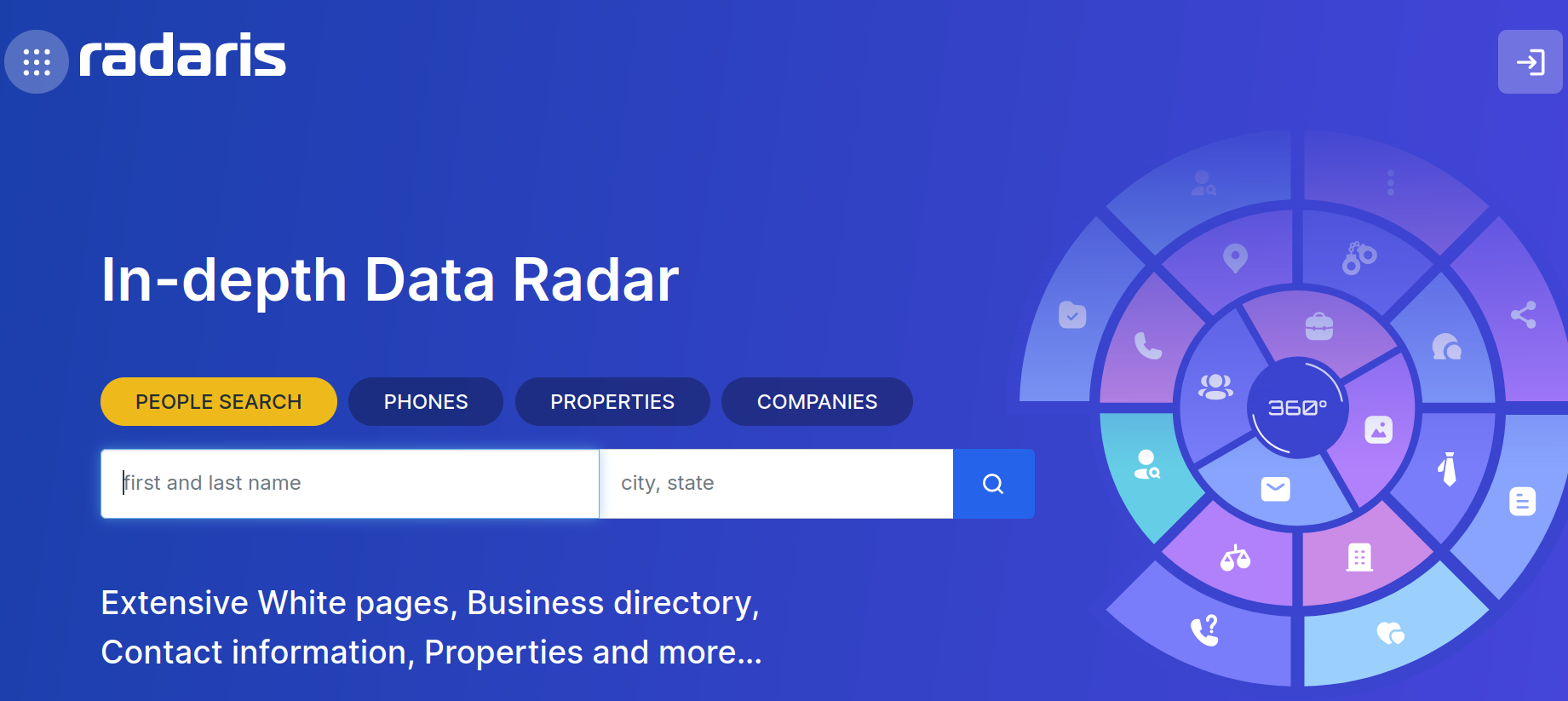
The modern digital landscape is built on the quiet assumption that if you have an interest in someone, you can likely find out who they are, where they live, and who they know. For decades, companies like Radaris have thrived in this ecosystem, aggregating public records into a comprehensive—and often invasive—portrait of the average citizen. They operated with a notorious reputation for ignoring removal requests, treating privacy not as a right to be respected but as a commodity to be exploited. This culture of stonewalling reached a breaking point recently when the company found itself in the crosshairs of a New Jersey privacy lawsuit that threatened to dismantle its entire domain portfolio.
The legal action stems from a specific provision within New Jersey state law, which explicitly prohibits data brokers from publishing personal information regarding law enforcement officials. The logic behind the statute is sound: shielding law enforcement officers from doxxing and harassment is a necessary component of a safe and functional society. However, Radaris had been systematically publishing such data, flaunting the names and addresses of police officers and prosecutors alongside ordinary citizens. When the state sought enforcement, Radaris's legal team did not engage in good-faith negotiation or present a viable path to compliance; instead, they engaged in a campaign of prevarication, delaying tactics designed to exhaust the plaintiffs and protect their revenue streams.
What makes this particular legal victory significant is the sheer scale of the collateral damage the court ordered. The judge did not simply issue an injunction against the primary radaris.com domain; the ruling mandated the transfer of ownership for the site and more than a dozen other affiliated domains. This aggressive judicial intervention sends a clear signal to the rest of the data brokerage industry that the era of unchecked aggregation is over. It demonstrates that courts are increasingly willing to act as gatekeepers, stepping in when private entities use their legal resources to paralyze regulatory efforts. For an industry that has long relied on the obscurity of its own legal battles, the transparency of this ruling is a direct challenge to its business model.
The implications for consumer privacy are profound, extending far beyond the specifics of New Jersey law. If a judge can order the seizure of a dozen domains based on the failure to remove a single category of protected individuals, it establishes a precedent that could be replicated nationwide. It forces the broader industry to confront the reality that their "public record" arguments are losing traction against specific state legislation designed to close loopholes. The narrative that personal data is free for the taking because it exists in public spaces is being dismantled piece by piece, proving that the right to privacy includes the right to have your data removed from aggregators who refuse to honor removal requests.
Ultimately, this case serves as a cautionary tale for any entity that believes the law can be bypassed through legal maneuvering. The decision highlights the tension between the profit motives of surveillance capitalism and the fundamental rights of individuals, particularly those in positions of public trust. By stripping Radaris of its digital real estate, the court has removed the shield that allowed the company to continue its practices for so long. It is a reminder that in the fight for privacy, the law is not just a set of rules to be followed or ignored; it is a living tool that, when wielded correctly, can reshape the very infrastructure of how personal information is collected, stored, and sold.
On Bluesky? Meet HomeSky.
Follower analytics, a growth toolkit, scheduling and AI posting — built for Bluesky. Connect your account and use everything free for 60 days.
Try HomeSky free →