How Image Stabilization Physically Works: Magnets, Gyros, and Floating Glass
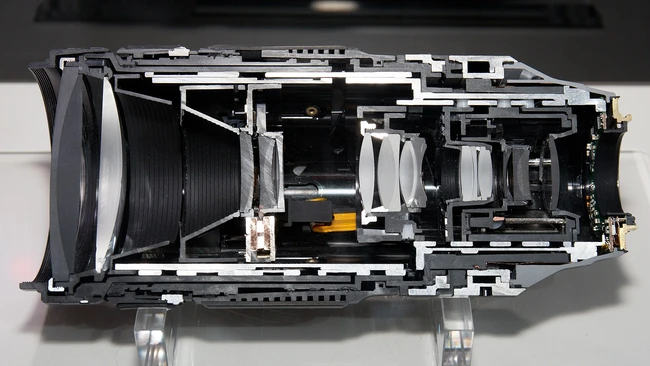
Imagine holding a telephoto lens capable of capturing details from miles away, only to discover that a microscopic shift in your grip, imperceptible to the human eye, has rendered the entire image useless. This is the fundamental dilemma photographers face when shooting hand-held with long focal lengths: the world is constantly vibrating, from the tremors in our own hands to the subtle sway of the wind, and without intervention, these movements translate directly into soft, blurry photos. Image stabilization was invented to solve this specific paradox, transforming a chaotic, shaking environment into a rigid, steady platform where light can be captured with surgical precision.
At the heart of this technology lies a sophisticated battle between physics and electromagnetism, a dance choreographed by tiny gyroscopes and powerful magnets. Inside the lens or the camera body, miniature sensors constantly monitor the angle and speed of camera movement in real-time. When they detect a shake, they send an electrical signal to a motor that activates a set of electromagnetic coils. These coils generate a magnetic field strong enough to push or pull specific lens elements or the entire sensor out of the way, counteracting the motion before it reaches the film or digital chip.
The result is a phenomenon often described as "floating glass." By moving the optical components in the exact opposite direction of the shake, the system effectively cancels out the movement, allowing the camera to maintain focus on the subject despite the user's instability. This isn't magic; it is a closed-loop feedback system operating hundreds of times per second. Whether it is a dedicated stabilization group within the lens barrel or an in-body sensor shifting mechanism, the goal remains identical: to create a virtual tripod in mid-air, isolating the optical train from the physical reality of the photographer's hands.
For the landscape and wildlife photographer, this mechanical intervention changes the very nature of the shot. It liberates the artist from the rigid constraints of a tripod, allowing for sharp images in low light without excessive grain, and enabling the freezing of fast-moving subjects with shutter speeds that would otherwise require a mount. The ability to tilt a massive lens by a tenth of a degree and have the internal mechanics compensate for it means that the difference between a wasted shot and a masterpiece often comes down to the invisible work happening deep within the glass and metal of the equipment.
Ultimately, image stabilization represents a triumph of miniaturized engineering over human imperfection. It turns the inherent instability of the human body into an irrelevant variable, allowing the photographer to focus entirely on composition and light. While the technology continues to evolve, becoming faster and more precise, the core principle remains a beautiful application of physics that ensures the moment captured is not lost to the subtle, inevitable tremors of our own hands.
On Bluesky? Meet HomeSky.
Follower analytics, a growth toolkit, scheduling and AI posting — built for Bluesky. Connect your account and use everything free for 60 days.
Try HomeSky free →