Data Broker Radaris Loses Domains in Privacy Fight
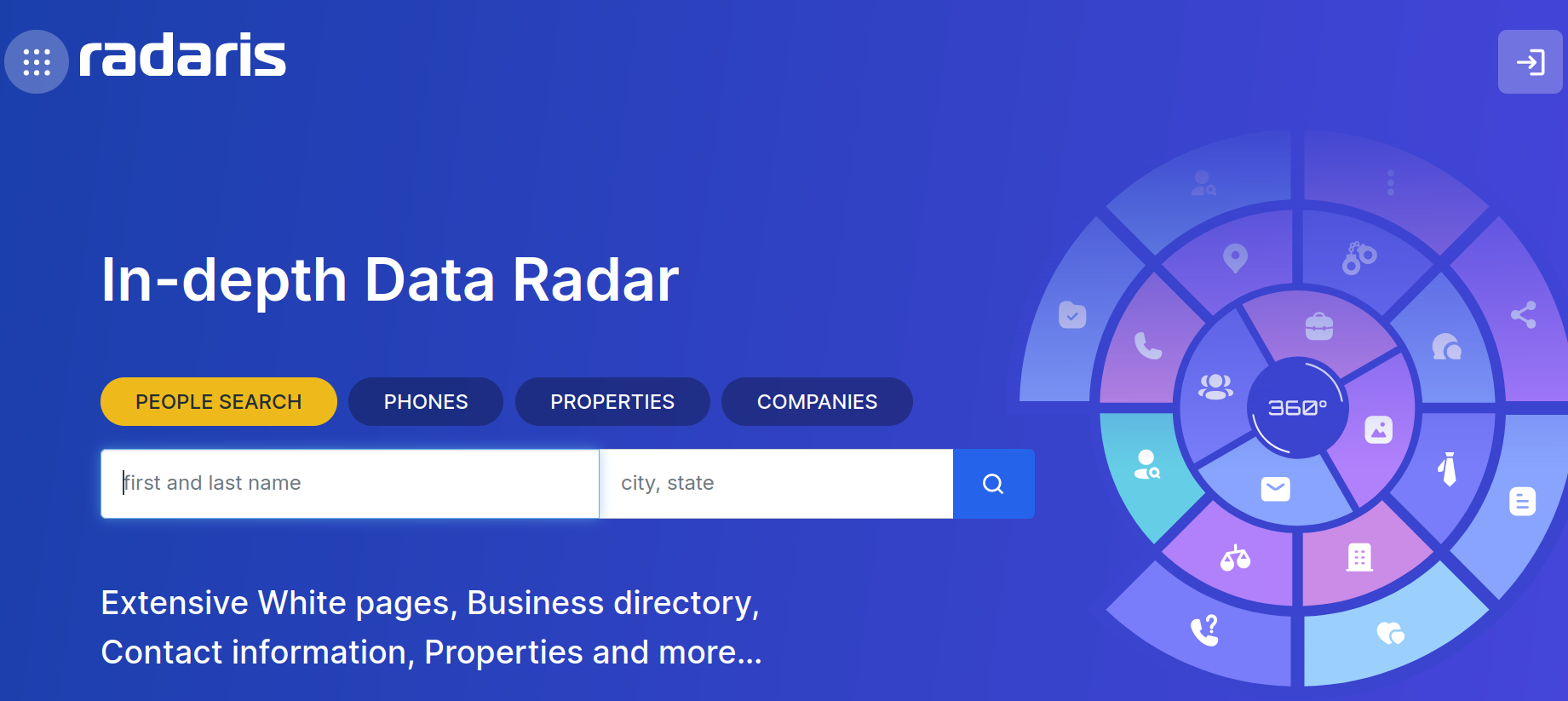
The digital panopticon has long been a staple of our online existence, yet for many, the realization that their private lives are being cataloged, aggregated, and sold without consent comes as a shocking revelation. Radaris.com, a prominent player in this vast ecosystem of consumer data brokers, has faced recent legal backlash that threatens to dismantle parts of its sprawling infrastructure. The core issue is not merely about data collection, which is often an accepted trade-off for free services, but rather the deliberate refusal to honor removal requests, a practice that has drawn the ire of regulators and privacy advocates alike.
This specific conflict, however, transcends the usual disputes between individuals and data aggregators. The lawsuit hinges on a unique provision within New Jersey privacy law, which imposes severe financial penalties on brokers that publish the personal information of state law enforcement officials. This represents a critical pivot in the privacy landscape: the realization that public sector employees, who are already subject to public scrutiny, deserve a baseline of digital privacy that shields their families and personal lives from harassment and doxxing. The law attempts to close a glaring loophole where brokers could exploit the public nature of a person's job to justify exposing their entire private history.
The narrative of this legal battle is defined by a frustrating stalemate. For months, the plaintiffs found themselves engaging in a game of whack-a-mole with Radaris legal counsel, who repeatedly stalled, prevaricated, and ignored legitimate demands for data deletion. This obstructionism was not just a legal tactic; it was a business strategy rooted in the assumption that the cost of compliance outweighs the reputational risk of maintaining a "stonewalling" posture. The judges, witnessing this repeated failure to adhere to statutory duties, ultimately intervened with a decisive order, mandating the transfer of control over Radaris.com and more than a dozen associated domains.
The implications of this ruling extend far beyond the specific domains seized. If allowed to stand, this precedent could force a reckoning across the entire industry of people-search services. It challenges the fundamental model of these companies, which often relies on the difficulty of compliance as a deterrent to enforcement. By losing the ability to operate under their current branding and domain structures, Radaris faces a forced transformation, potentially requiring them to build a new entity from the ground up while adhering to strict privacy mandates. This is a stark reminder that the internet is not a lawless frontier; the rules are catching up to the speed of innovation.
For the average citizen, this victory offers a glimmer of hope in an otherwise opaque digital ecosystem. It signals that the courts are willing to look past the technical arguments of data brokers and focus on the substantive harm caused by their operations. The ability to request the removal of sensitive information from law enforcement databases is not a luxury; it is a necessary safeguard against the weaponization of personal data. As the dust settles on this case, the industry must adapt to a future where privacy is not just a feature to be toggled on or off, but a fundamental right enforced by the law.
On Bluesky? Meet HomeSky.
Follower analytics, a growth toolkit, scheduling and AI posting — built for Bluesky. Connect your account and use everything free for 60 days.
Try HomeSky free →