Cognitive resilience helps to predict Alzheimer’s dementia
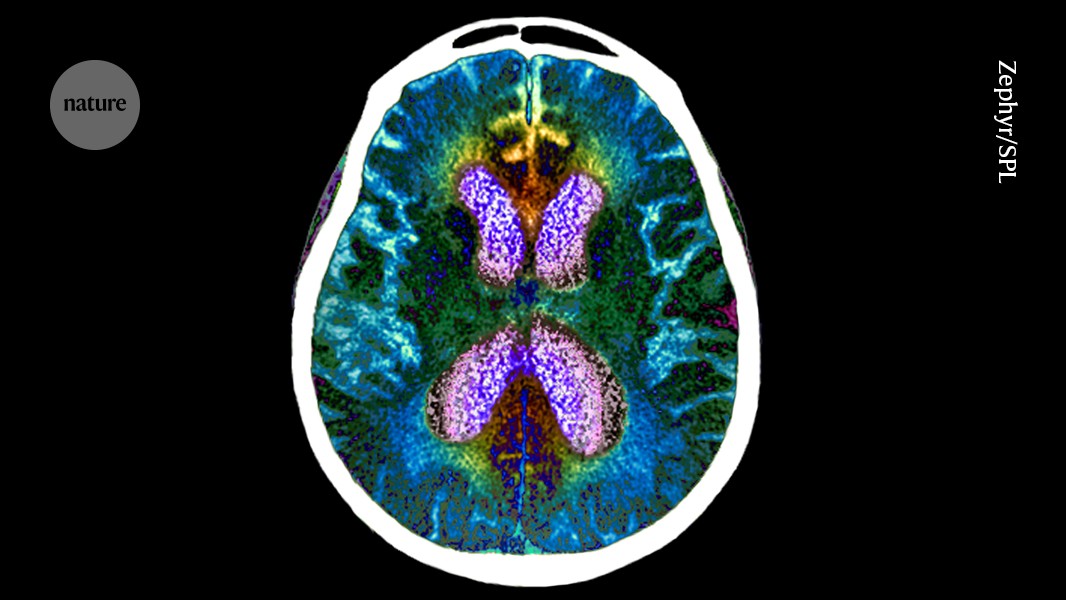
For decades, the narrative surrounding Alzheimer's disease has been one of inevitable decline, a slow erosion of memory and identity that no amount of willpower could halt. We have watched as cognitive functions dim, assuming that once the pathology begins, the trajectory is a straight line downward toward dementia. However, emerging research is challenging this deterministic view by suggesting that the human mind possesses a remarkable capacity for resistance. It turns out that cognitive resilience—the ability to maintain mental function despite the presence of brain pathology—is a critical variable that can predict whether someone will progress to dementia or remain cognitively intact.
The discovery hinges on a fascinating divergence: many individuals carry the physical hallmarks of Alzheimer's in their brains, such as amyloid plaques and tau tangles, yet they do not exhibit the severe symptoms associated with the disease. This phenomenon, known as "cognitively resilient aging," suggests that the mere presence of the disease markers is not a death sentence for one's mental life. It implies that there is a buffer, a reserve capacity within the brain that can compensate for damage, allowing the mind to function normally even when the biological machinery is compromised. This reserve acts as a shield, delaying or perhaps even preventing the onset of dementia in the presence of significant pathology.
Understanding the mechanics of this resilience is akin to understanding why two cars with identical engine failures might travel different distances before breaking down. One car may have been maintained with regular oil changes and high-quality parts, keeping the system running despite a crack in the block, while another, neglected from the start, collapses immediately under the strain. In the human brain, this maintenance involves factors like years of education, complex occupational engagement, and social interaction. These experiences build a network of neural connections and alternative pathways that can bypass damaged areas, effectively rerouting thoughts and memories to keep the cognitive engine running smoothly.
The implications of this finding extend far beyond individual health; they offer a glimmer of hope in the fight against one of humanity's most formidable enemies. If cognitive resilience is a trainable or cultivable trait rather than a fixed genetic lottery, then prevention strategies could be radically rethought. Instead of focusing solely on reducing the production of toxic proteins in the brain, public health initiatives could prioritize building cognitive reserve through lifestyle interventions. Education, lifelong learning, and community engagement could become the frontline defense against Alzheimer's, empowering individuals to build a mental fortress that withstands the ravages of time and disease.
Yet, there is a sobering reality to this optimism. While resilience offers a protective layer, it is not an infinite one. Eventually, the pathology may overwhelm the brain's compensatory mechanisms, and the symptoms will surface. The goal, therefore, is not to promise an eternal victory over Alzheimer's but to buy valuable time. That extra time allows for meaningful engagement, preserved independence, and the preservation of personal identity, enabling people to live full lives even as the disease lurks beneath the surface. By recognizing and nurturing cognitive resilience, we may be able to rewrite the final chapters of the Alzheimer's narrative, turning a story of inevitable loss into one of enduring strength.
On Bluesky? Meet HomeSky.
Follower analytics, a growth toolkit, scheduling and AI posting — built for Bluesky. Connect your account and use everything free for 60 days.
Try HomeSky free →