Government updates belong in an open feed
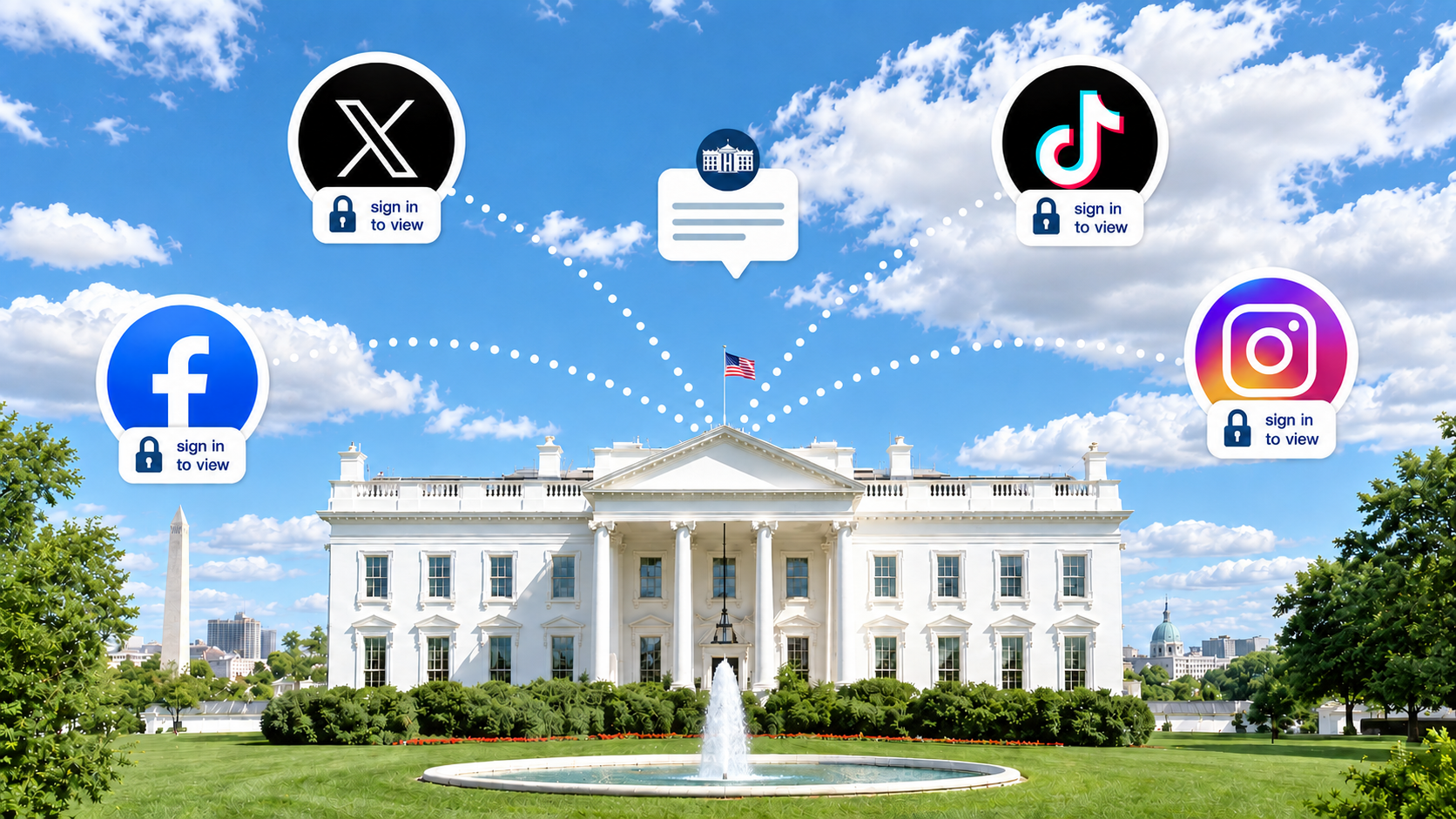
When the first email client launched, we imagined a world where information was free, universal, and accessible to anyone with a connection. Government announcements once lived in that spirit, hosted on static websites or distributed via public mailing lists, treating the citizenry as the primary audience. Today, that architecture has collapsed. The primary communication channel for most officials is no longer a public square but a scattered constellation of private accounts spread across social media platforms, each walled off by corporate ownership. Senators post policy updates on Facebook, city representatives livestream town halls on TikTok, county offices broadcast emergencies on X, and mayoral offices churn out Reels on Instagram. It is a chaotic migration of public trust into private silos, and something feels seriously off about it.
The fundamental issue is not just the medium, but the mechanism of access. These platforms are not neutral pipes; they are proprietary ecosystems owned by different companies, each demanding its own login credentials, algorithms, and terms of service. When a government agency chooses to communicate through these channels, it inadvertently grants the platform owner leverage over the dissemination of information. If the algorithm decides to suppress a post about a school board meeting, or if the platform goes offline during a crisis, the government's voice is suddenly muted at the whim of a shareholder meeting. The public square has become a series of rented storefronts, and the lease terms are constantly changing.
This fragmentation creates a dangerous asymmetry in how citizens receive vital information. In the past, a single URL or mailing list subscription provided a comprehensive view of local governance. Now, to know everything a government is doing, a citizen must navigate five different apps, remember five different passwords, and understand five different algorithms to see what their representatives are actually saying. This isn't just an inconvenience; it is a structural barrier to transparency. It allows bad actors to cherry-pick data, spread disinformation, or simply drown out official messaging in a sea of noise, all because the infrastructure for communication has been outsourced to entities with no accountability to the public.
The solution, surprisingly, lies in returning to the old model but with modern improvements. We need a standard, open feed for government communication—a public utility for announcements that is as accessible as the weather report or the stock ticker. Imagine a single, government-run feed where all policy updates, emergency alerts, and town hall recordings are aggregated. This would reclaim the narrative from corporate algorithms, ensuring that the flow of information is governed by public interest rather than engagement metrics. It would restore the dignity of the announcement, making it a matter of record rather than content to be optimized for viral potential.
Until such a system is built, the status quo remains a precarious compromise. We are slowly accepting a reality where our democracy operates on the backend infrastructure of foreign corporations. We must recognize that the right to know is a right to a specific channel of communication, one that remains open, neutral, and owned by the people. As we continue to fragment into digital echo chambers, the government must double down on the idea that public announcements belong in an open feed, not in a private inbox owned by a tech giant.
On Bluesky? Meet HomeSky.
Follower analytics, a growth toolkit, scheduling and AI posting — built for Bluesky. Connect your account and use everything free for 60 days.
Try HomeSky free →