Healthcare in Africa ‘under growing strain’ after US withdrawal from aid programs, report warns
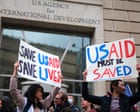
The sudden contraction of American foreign aid has not merely reduced a line item in a budget; it has pulled a life-support wire from the chest of public health systems across Africa and the wider Global South. For decades, the United States, through the Agency for International Development and other channels, acted as a critical stabilizer, funding everything from malaria nets in the Sahel to vaccine distribution networks in East Africa. The abrupt withdrawal of these resources, driven by a political shift toward isolationism, has created a vacuum that is rapidly being filled with crisis. As the Trump administration slashes funding, the fragility of these health infrastructures has been laid bare, revealing a system that is dangerously dependent on external charity rather than sustainable local investment.
This dependency is a legacy of post-colonial development models where the Global South was often treated as a recipient rather than a partner. When the United States pulls back, the ripple effects are immediate and devastating. In many regions, the cost of living is already soaring, and supply chains are fractured by the lingering aftershocks of the global pandemic. Now, without the financial buffer of international aid, governments in the region are forced to make impossible choices: do they spend their meager reserves on education, or do they scramble to keep a collapsing healthcare system from total failure? The report highlights that this is not just a logistical nightmare but a moral imperative; the lives of millions hang in the balance while diplomatic ties are severed by domestic politics in Washington.
The urgency for reform is no longer theoretical; it is a matter of survival that demands a fundamental reimagining of how health development is approached. The old model, which relied on donor nations to dictate the terms of aid, has proven brittle and insufficient for the 21st century. What is needed is a paradigm shift where African nations and other developing regions take genuine ownership of their health agendas. This requires more than just writing new grant proposals; it requires the political will to build robust, self-sustaining health systems that can withstand geopolitical storms. It means investing in local manufacturing, training indigenous medical professionals, and creating supply chains that are resilient to external shocks.
Critics might argue that the US withdrawal is a necessary correction to a wasteful aid apparatus, but the human cost of such a correction is too high to ignore. The narrative that the Global South is helpless is a dangerous myth, one that the current aid drought only serves to reinforce. In reality, the region possesses the talent, the resources, and the historical resilience to rebuild if given the autonomy to do so. The path forward involves a partnership of equals, where developed nations provide technical expertise and fair trade rather than paternalistic handouts. The "debacle" of USAID cuts should serve as a wake-up call for the international community to stop treating healthcare as a foreign policy lever and start treating it as a universal human right.
As the dust settles on these budget cuts, the world watches to see if Africa will crumble under the weight of its own neglect or rise to the challenge of self-determination. The report's warning is clear: the era of relying on American largesse is over, and the time for independent action is now. The strain on healthcare is growing, but so is the potential for a new model of development—one that is grounded in local reality, driven by local needs, and resilient enough to survive the capricious winds of global politics. The future of health in the Global South does not depend on the whims of a foreign administration; it depends on the strength of its own people and the determination of its leaders to secure their own destinies.
On Bluesky? Meet HomeSky.
Follower analytics, a growth toolkit, scheduling and AI posting — built for Bluesky. Connect your account and use everything free for 60 days.
Try HomeSky free →