Healthcare in Africa ‘under growing strain’ after US withdrawal from aid programs, report warns
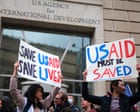
The silence in the corridors of Accra's health ministries has become deafening, a stark auditory marker of a much larger geopolitical tremor. When the United States abruptly withdrew its support from key aid programs, the ripple effects were not merely financial deficits on a spreadsheet; they were immediate gaps in vaccine distribution, stalled infrastructure projects, and a sudden vacuum in the logistical backbone that kept millions of patients alive. This is not an isolated incident but a symptom of a broader fracture in the architecture of global health, where the departure of a superpower leaves behind a continent that is too vast to save on its own yet too interconnected to ignore.
The report from Accra Reset paints a grim picture of this new reality, warning that healthcare across Africa and the Global South is now "under growing strain." The urgency is compounded by the lingering scars of the pandemic, which exposed the fragility of supply chains that were entirely dependent on external generosity. With rising costs of living squeezing household budgets and national treasuries, the African nation states are facing a triple threat: a shrinking aid portfolio, an expanding disease burden, and an economic environment that makes even basic medicine a luxury good for many.
This withdrawal represents a fundamental shift in the philosophy of development aid. For decades, the narrative was one of partnership, however unequal, where Western powers acted as patrons and Global South nations were recipients. The current administration's cuts signal a move toward a transactional model where aid is contingent on specific geopolitical alignments rather than humanitarian necessity. The result is a fragmentation of health systems that were previously cohesive, forcing countries to scramble for alternative funding while their most vulnerable populations wait in line for treatments that may no longer be imported in time.
Yet, within this crisis lies a painful but necessary catalyst for change. The era of passive dependence is ending, forced by the harsh reality that waiting for the next donor conference to solve systemic problems is a luxury the Global South can no longer afford. Countries are beginning to realize that true sovereignty over health development requires internalizing the mechanisms of care, from local manufacturing to policy formulation. The strain caused by the US exit is, in effect, a violent wake-up call that compels African leaders to draft their own blueprints, to invest in regional supply chains, and to demand accountability from whatever international partners remain.
The path forward is fraught with difficulties, as the infrastructure required to stand alone has been allowed to atrophy under years of reliance on external aid. Rebuilding the capacity to produce vaccines, train healthcare workers, and manage logistics requires massive capital and long-term planning, resources that are currently scarce. However, the alternative—a continued reliance on a fickle donor landscape that can vanish overnight—is a recipe for perpetual vulnerability. The report's call for reform is not just about patching holes; it is about constructing a new, more resilient ecosystem where health security is treated as a sovereign right rather than a charitable gift.
Ultimately, the withdrawal of US aid serves as a brutal mirror reflecting the unfinished business of global equity. It forces a conversation that has been too long delayed: who owns the future of public health, and who bears the responsibility for its maintenance? As the dust settles in Accra and beyond, the lesson is clear. The Global South cannot simply wait for the next savior; the survival of healthcare in these regions now depends on a decisive, collective assertion of agency, turning the growing strain into the pressure needed to forge a new, self-reliant destiny.
On Bluesky? Meet HomeSky.
Follower analytics, a growth toolkit, scheduling and AI posting — built for Bluesky. Connect your account and use everything free for 60 days.
Try HomeSky free →