Healthcare in Africa ‘under growing strain’ after US withdrawal from aid programs, report warns
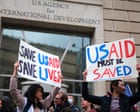
The sudden silence where aid once roared is a sound many in the Global South know too well, but the current volume of that absence is deafening. As the United States pulls back from its traditional role as the primary financier of international health initiatives, the vacuum left behind is not merely financial; it is existential for fragile healthcare systems across Africa. The withdrawal of funding from key programs managed by USAID, often touted as the bedrock of disease prevention and maternal care in developing nations, has triggered a crisis that extends far beyond budget lines. It represents a fundamental shift in the geopolitical architecture of health, forcing nations that have long relied on external safety nets to suddenly confront the harsh reality of self-sufficiency.
The report from Accra Reset paints a grim picture of this transition, highlighting how the convergence of political shifts and global economic pressures has created a perfect storm. It is no longer just about the Trump administration's cuts to aid; it is about the compounding effect of the post-pandemic economic landscape, where rising costs of living and infrastructure deficits have stretched already thin resources to the breaking point. In countries where a significant portion of the national budget is already allocated to health, the removal of even a fraction of external support can mean the difference between a successful vaccination campaign and a preventable outbreak. The urgency cited in the report is not hyperbole; it is a reflection of immediate logistical collapse in supply chains and a surge in preventable mortality rates.
This geopolitical recalibration forces a difficult but necessary question: who owns the health destiny of the Global South? For decades, the narrative was one of partnership, with Western powers funding the solutions and local governments providing the implementation. However, the current reality suggests a move toward a more autonomous, albeit risky, future. The report argues that African nations and their counterparts in the Global South must take greater control of their health development, moving away from dependency on volatile foreign aid policies toward robust, locally driven strategies. This is not just a matter of sovereignty; it is a matter of sustainability. Systems designed around the whims of foreign administrations are inherently fragile, and the era of relying on external saviors is arguably over.
Yet, the path to autonomy is fraught with its own set of challenges. Building a self-sustaining health infrastructure requires capital, technical expertise, and political will that many of these nations have historically struggled to secure. The transition from donor-dependent models to indigenous ones will be painful and likely uneven. Some regions may thrive as they pivot to regional cooperation and innovative financing models, while others may suffer acute shortfalls in critical services like maternal care and infectious disease control. The fear is that the withdrawal of aid will not just slow progress but actively reverse decades of hard-won gains in life expectancy and disease prevention.
Ultimately, the story of healthcare in Africa today is a story of adaptation in the face of abandonment. The United States' retreat from these programs serves as a stark warning to the rest of the world, including other major donors, that the global health ecosystem cannot sustain itself on charity alone. It demands a reimagining of how health is funded and delivered, one that respects the agency of local populations and invests in long-term resilience rather than short-term intervention. The strain on these systems is growing, and the window to reform and reinvest is closing rapidly. The future of healthcare in the Global South will not be written in Washington; it will be forged in the hospitals, clinics, and communities of Africa itself.
On Bluesky? Meet HomeSky.
Follower analytics, a growth toolkit, scheduling and AI posting — built for Bluesky. Connect your account and use everything free for 60 days.
Try HomeSky free →