Healthcare in Africa ‘under growing strain’ after US withdrawal from aid programs, report warns
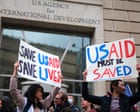
The withdrawal of the United States from key international aid programs has not merely created a budgetary gap; it has carved a chasm in the fragile infrastructure of healthcare across Africa and the Global South. As reported by Accra Reset, this strategic shift by the Trump administration's USAID cuts, compounded by the lingering scars of the pandemic and soaring global living costs, has placed medical systems under a strain that borders on critical. It is a scenario where the absence of external lifelines exposes the sheer vulnerability of nations that have long relied on foreign funding to keep their clinics open and their vaccines flowing.
For decades, the flow of American aid acted as a stabilizing force, allowing developing nations to build public health frameworks that might otherwise have collapsed under the weight of economic volatility. The sudden retrenchment does more than just reduce the number of pills distributed in a remote village; it signals a fundamental reordering of global responsibility. When a superpower steps back, the ripple effects are immediate and devastating. Hospitals in West Africa, often dependent on imported supplies and international funding to staff critical care units, now face a reality where resources are simply not there to meet the surge of preventable diseases.
The urgency highlighted in the report is not abstract; it is the desperate reality of mothers who cannot access prenatal care and communities where preventable outbreaks become local pandemics. The intersection of economic hardship and health insecurity creates a perfect storm. As the cost of living rises globally, local governments find themselves unable to fill the void left by international donors. This forces a hard choice: continue to rely on the unpredictable whims of geopolitical donors or seize the initiative to take greater control of their own health destinies. The report suggests that the era of passive reliance must end, replaced by a robust, locally driven strategy for health development.
Reforming healthcare in this context requires more than just asking for aid; it requires a paradigm shift in how these nations view their sovereignty over life and death. True resilience comes from building systems that are insulated from external shocks, funded by domestic priorities, and managed with an understanding of local realities rather than donor mandates. This is a challenge that demands political will, strategic planning, and a commitment to investing in human capital even when the immediate returns are not visible on a balance sheet. It is a difficult path, but one that the current geopolitical climate has forced upon the region.
The implications extend far beyond Africa, touching the core of the Global South's struggle for self-determination in an era of diminishing global solidarity. If the United States can withdraw so abruptly, the message to other nations is clear: global health is not a universal right guaranteed by international cooperation, but a commodity subject to political winds. This realization should galvanize a new wave of regional collaboration, where African nations look inward and toward one another to build a health architecture that is strong enough to withstand the withdrawal of any single power.
Ultimately, the report serves as a stark warning that the health of the developing world is inextricably linked to the stability of the international order. As aid programs dwindle, the cost of inaction will be measured in lives lost and progress stalled. The time for half-measures is over; the region must now forge its own path, transforming the crisis of abandonment into a catalyst for unprecedented autonomy and resilience in healthcare delivery.
On Bluesky? Meet HomeSky.
Follower analytics, a growth toolkit, scheduling and AI posting — built for Bluesky. Connect your account and use everything free for 60 days.
Try HomeSky free →