Huge AI data center project blindsides water-stressed town in Brazil
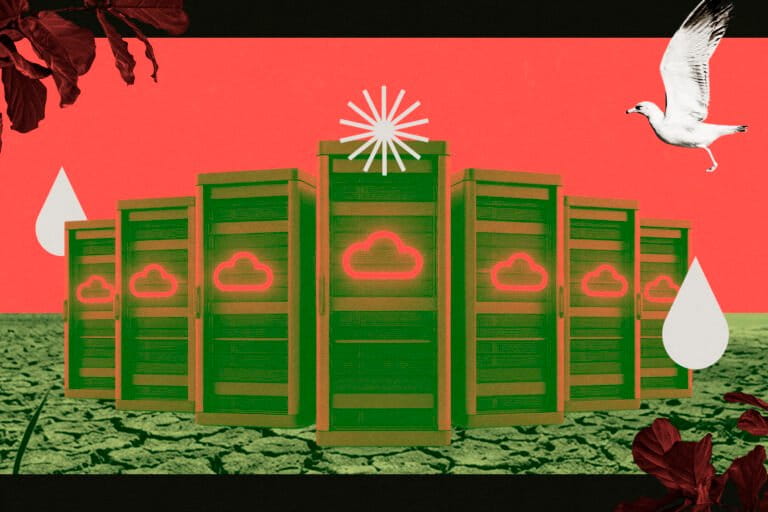
In the arid interior of Brazil, where the sun beats down with a relentless, ancient fury, the silence of a dying village has been shattered not by the wind, but by the sudden arrival of a foreign giant. For decades, the community of Caruaru has survived on a precarious balance of rain-fed agriculture and shallow groundwater wells, a rhythm dictated by the seasons that their ancestors understood better than the complex algorithms now governing their fate. However, this delicate equilibrium has been violently disrupted by the silent construction of a massive artificial intelligence data center, a facility so large it casts a shadow over the horizon, demanding a volume of water that the local aquifer simply cannot provide without catastrophic consequences.
The tragedy lies in the timing and the transparency of this development. Local leaders, who had been quietly lobbying for water conservation measures and sustainable infrastructure for years, were blindsided when the reality of the project's scale finally hit them, not from a government official or a corporate press release, but through the lenses of reporters who happened to be documenting the dust choking their wells. It is a stark reminder of how the digital revolution, often portrayed as a force of pure intellect and abstraction, possesses a physical heft that can crush the most vulnerable communities when left to the whims of global market forces without adequate local consent.
AI data centers are energy and water hogs, requiring immense cooling systems to keep the servers from overheating during the relentless computation of artificial intelligence models. In a country like Brazil, where water scarcity is already a pressing concern exacerbated by climate change, importing this thirst to a dry town is not merely bad planning; it is an ecological injustice. The facility, designed to train the next generation of neural networks for the world's tech giants, inadvertently turns the local population into unwilling collateral damage, forcing their water wells to turn to dust as the machine learns to solve problems it will never itself experience.
This narrative is a microcosm of a much larger, unfolding crisis where the rapid expansion of the digital economy collides with the finite realities of the physical world. We are witnessing the emergence of a new frontier of environmental conflict, one where the abstraction of code and the concrete reality of drought meet in a way that leaves little room for compromise. The people of Caruaru are not just losing water; they are losing their future, their livelihoods, and their sense of place, all to power a system that could potentially be housed in a location with a more sustainable hydrological profile.
As the dust settles, the question remains not just about the technical specifications of the server racks or the efficiency of the cooling loops, but about the moral architecture of the industries building them. Technology must serve humanity, yet here we see technology being deployed in a manner that actively harms the very human element it was meant to support. The story of Caruaru is a warning that without rigorous regulation, genuine community engagement, and a deep respect for local ecosystems, the march of progress will inevitably trample over those who stand in the way of the new age.
The silence of the well-dried earth is no longer just a natural phenomenon; it is a political statement. It demands that we rethink the relationship between the digital cloud and the physical ground, ensuring that the thirst of the machine does not come at the cost of the human soul. Until the balance is restored, the dust will continue to rise, a fine, choking reminder that in the race to build the future, we must not forget to water the present.