Sargassum Superbloom: Seaweed Scourge or Ecological Boon?
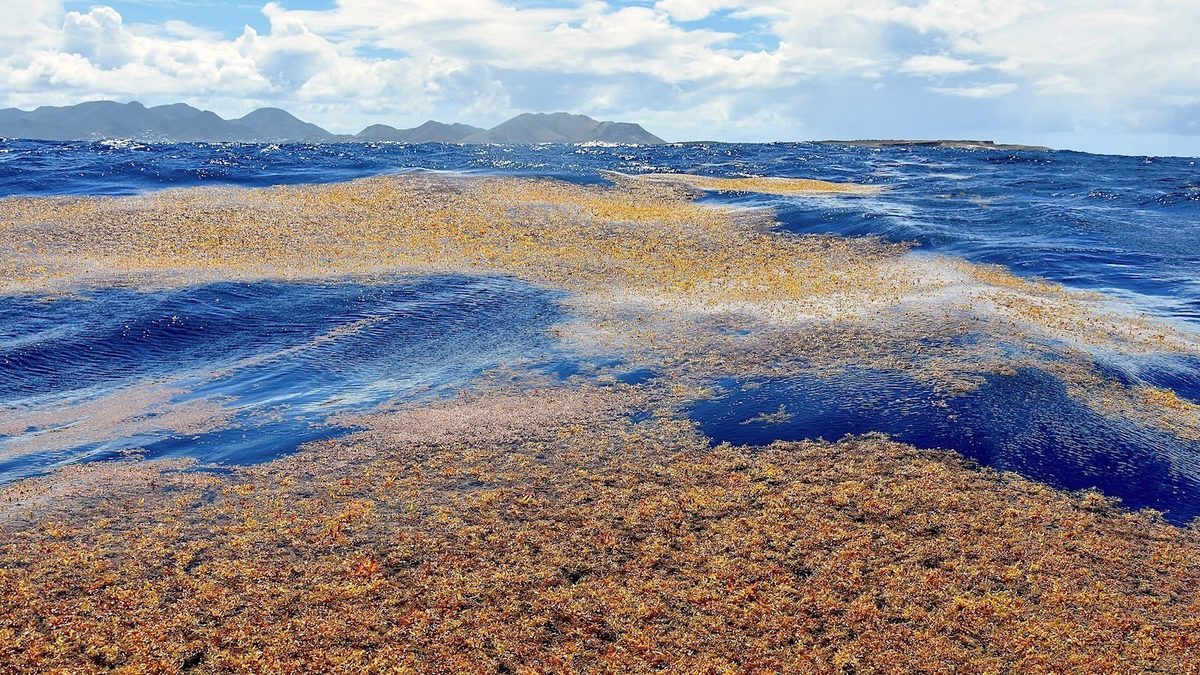
For centuries, the sight of a shoreline carpeted in golden-brown sargassum has been a grim tableau of ecological distress, a choking blanket that smothers nesting sea turtles, rots into toxic sludge, and turns pristine tourist beaches into logistical nightmares. From the volatile coasts of West Africa to the Gulf of Mexico, this floating macroalgae has become a symbol of climate anxiety, driven by warmer ocean temperatures and nutrient runoff that fuel its explosive growth. The narrative is simple and dire: we are drowning in a weed that must be fought at every turn, pumped into massive containment barges, or burned in open pits to keep it from reaching the shore.
Yet, beneath this surface of environmental catastrophe lies a paradox that is beginning to reshape our understanding of coastal ecosystems. To the untrained eye, sargassum is a nuisance, but to the marine biologist, it is a floating island. This dense mat of gas-filled bladders provides a critical refuge for a staggering array of life that cannot survive without it. Inside the tangle of fronds, small fish find sanctuary from larger predators, while crustaceans, jellyfish, and even young sharks use the structure as a nursery and a hunting ground. Without this floating architecture, vast populations of marine species would face starvation and exposure in the open ocean.
The tension between viewing sargassum as a pollutant versus a protector is not merely semantic; it is a battle over how we manage our oceans in an era of rapid change. When the seaweed arrives in such overwhelming quantities, it creates a physical barrier that prevents oxygen exchange, leading to hypoxic zones where other life cannot breathe. This is the scourge that devastates local fisheries and tourism economies. However, scientists are now arguing that the sheer volume is a symptom of a broader, healthier ocean productivity rather than a sign of total collapse. If we could only regulate the bloom to provide habitat without suffocating the coast, we might be solving two problems at once.
The path forward requires a shift from brute-force removal to nuanced ecological management. Instead of viewing every ton of sargassum as waste to be eliminated, coastal communities are beginning to experiment with harvesting strategies that prioritize the removal of the toxic, decaying fraction while leaving the living mat intact for wildlife. This approach acknowledges that the algae is part of a complex food web, not just an invasive weed. It challenges the decades-old dogma that "less is more," suggesting that in our changing climate, abundance itself might be the solution.
Ultimately, the story of sargassum is a mirror reflecting our own relationship with nature. We have long viewed the natural world as a resource to be optimized and a threat to be mitigated. But as this floating super-bloom forces us to confront the limits of our control, it offers a humbling reminder that we are guests in a system far more complex than our linear thinking can grasp. The golden seaweed may indeed be a scourge, but it is also a beacon, pointing toward a future where we learn to coexist with the wild, chaotic abundance of the sea rather than trying to pave it over.