Watch SpaceX launch classified mission for the US Space Force today
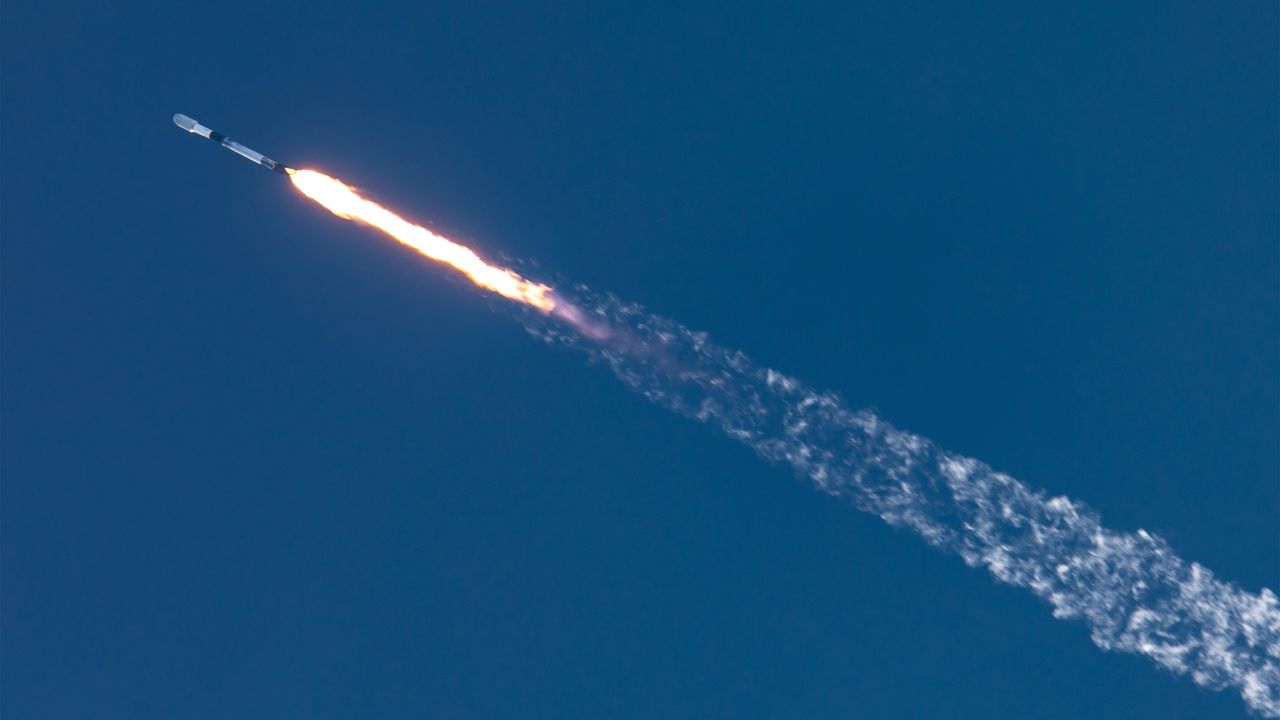
The night sky over Cape Canaveral is about to transform from a canvas of stars into a theater of classified history, as SpaceX prepares to ignite a rocket carrying USSF-153, a mission shrouded in the deepest levels of government secrecy. Unlike the routine deployment of Starlink satellites or the public exploration of lunar craters, this launch represents a critical, opaque chapter in the United States Space Force's evolving infrastructure. While the public is accustomed to watching every bolt of lightning and every second of the countdown, this specific mission operates under a veil where even the payload's exact purpose remains a mystery, known only to a handful of officials and the contractors tasked with building its destiny.
The significance of USSF-153 extends far beyond the simple act of placing hardware into orbit. It is a tangible manifestation of the strategic shift that has occurred over the last decade, where the domain of space has moved from being a supporting cast in military operations to becoming a primary battlespace. The Space Force, established relatively recently, is rapidly expanding its constellation of sensors, communication relays, and potentially offensive capabilities. A mission designated "classified" with such a specific numerical identifier suggests a high-value asset, likely involving secure communications, advanced tracking, or perhaps a prototype for a next-generation kinetic defense system that the Pentagon is eager to field-test before revealing its existence to the public or potential adversaries.
Watching a launch is often a spectacle of engineering triumph, but viewing a classified launch is an exercise in speculative analysis. We are witnessing the physical manifestation of the "Space Domain Awareness" that the U.S. military claims is essential for modern conflict. If USSF-153 is indeed a node in a defensive shield or a communications backbone for stealth operations, its successful insertion into orbit marks a milestone in achieving what analysts call "space superiority." The ability to launch such payloads reliably and repeatedly using the Falcon 9 rocket underscores a strategic reality: the United States is no longer waiting for permission to dominate this new frontier; it is actively building the architecture of dominance, brick by brick, orbit by orbit.
The logistical complexity of a classified mission adds a layer of tension distinct from standard launches. While the general public can tune in to watch the liftoff, the real drama unfolds behind the scenes, where security protocols are tightened to their absolute limit. Access to the launch pad is restricted, and the data stream during the ascent is likely encrypted and monitored by a separate, secure network. This separation between the public spectacle and the classified reality highlights the dual nature of modern spaceflight: it is simultaneously a global entertainment industry and a high-stakes national security imperative. The roar of the Merlin engines today is not just propelling metal and fuel; it is cementing a capability that could define the rules of war for the next generation.
As the rocket climbs through the atmosphere, piercing the Kármán line and beyond, it carries with it the weight of geopolitical strategy. The United States and its allies are in a race to establish norms and capabilities in space, and missions like USSF-153 are the fuel for that race. Whether this payload will serve as a guardian of the network, a tool for intelligence gathering, or something more aggressive, its presence in orbit signifies a commitment to maintaining a robust, autonomous space infrastructure. The success of this launch reinforces the notion that the Space Force has matured into a capable, independent warfighter, ready to operate in an environment that is as hostile and unforgiving as any theater on Earth.
In the end, the launch of USSF-153 is a quiet declaration of intent. It is a reminder that while we gaze up at the stars with wonder, the military-industrial complex is working tirelessly to ensure that whoever controls the sky controls the future. The mystery surrounding the payload only heightens the intrigue, driving a narrative of technological advancement that is both inspiring and deeply unsettling. As the rocket fades into the darkness, leaving its mark on the orbital registry under a classification code, it joins a growing fleet of machines that ensure the United States remains a dominant power, even when the secrets it guards are too dangerous to be spoken aloud.