I fixed a tractor using John Deere’s self-repair service. Farmers aren’t sold on it.
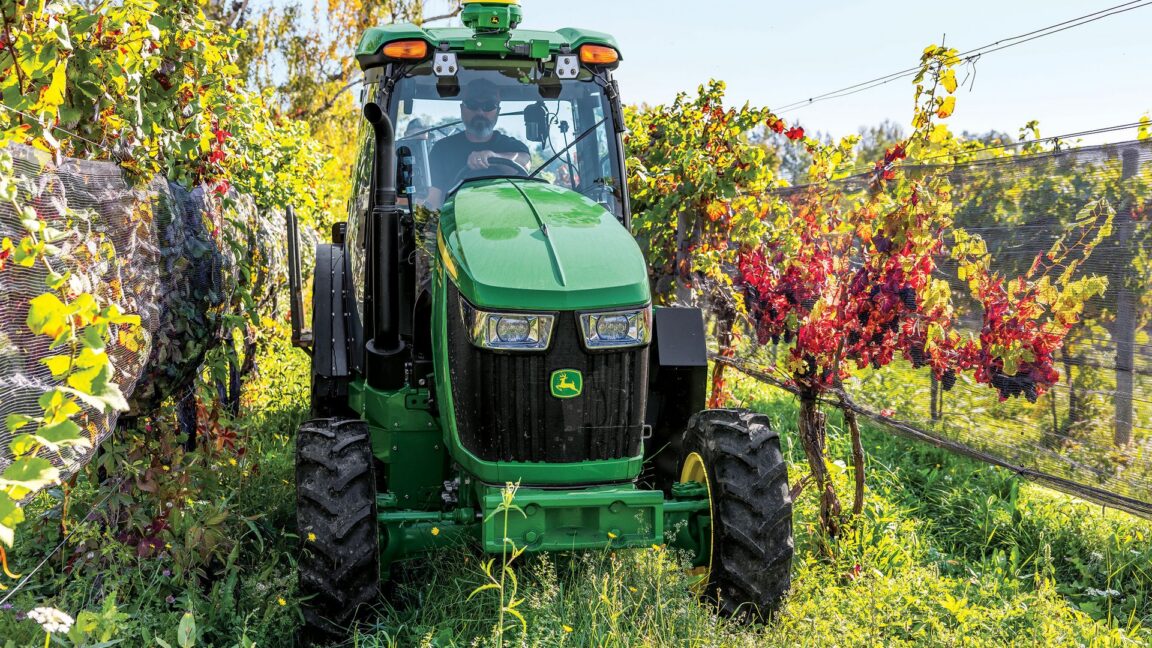
I sat on a dusty patch of farmland in Iowa, grease smeared across my forehead and the smell of diesel filling my lungs, holding a John Deere 7R tractor that was supposed to be in the shop. The manufacturer had marketed this unit as the future of agriculture, boasting a proprietary "self-repair" service that promised to eliminate downtime by letting owners swap out complex modules directly from a handheld diagnostic tablet. In theory, the system was elegant: a module fails, the tablet identifies the fault, and the operator simply unclips the old unit and snaps the new one into place. It sounded like magic, a digital version of the good old days when a farmer could fix a broken plow with a hammer and a piece of scrap metal, but the reality was far messier and more nuanced than the marketing brochures suggested.
The allure of this service is rooted in a fundamental economic reality that has plagued agriculture for decades: the widening chasm between equipment costs and repair budgets. Modern tractors are essentially rolling computers, laden with sensors, software stacks, and proprietary hardware that makes traditional mechanical repair nearly impossible for anyone without specialized training and tools. John Deere's initiative attempts to bridge this gap by democratizing access to repair, theoretically allowing a farm operator to bypass the thousands of dollars in labor fees charged by dealerships. However, the implementation reveals a stark disconnect between the manufacturer's vision of an empowered user and the practical limitations of the modern farming environment, where speed and reliability are not just nice-to-haves but existential necessities.
While I successfully swapped a failing transmission control module in under twenty minutes, the experience quickly soured when I realized the replacement part was calibrated to a specific regional weather algorithm that didn't match the local conditions. The system allowed me to repair the machine, but it didn't account for the fact that the "self-service" was deeply intertwined with a centralized network that could lock down functionality if the tablet didn't authenticate with a remote server. This isn't merely a technical glitch; it is a philosophical shift in how we view ownership. We are no longer just buying a tool; we are renting a service, and the ability to truly "fix" the tool is contingent on the manufacturer's willingness to allow it.
Farmers, who are notoriously pragmatic and deeply skeptical of corporate promises, have largely rejected the premise of this service. Surveys and anecdotal evidence from across the Midwest suggest that most operators view these systems with suspicion, fearing that the software locks will eventually render their equipment obsolete or that the "self-repair" capability is a trap designed to sell them more proprietary parts rather than genuine solutions. The fear is palpable: if the manufacturer controls the definition of a "repairable" failure, they control the entire lifecycle of the asset. In an industry where a week of downtime can cost a farm its livelihood, relying on a system that requires an internet connection and a licensed tablet feels less like empowerment and more like a tether to a digital leash.
The irony of this situation is that the technology itself is sound, but the application misunderstands the human element of farming. Farmers are not just technicians; they are stewards of the land who rely on intuition and experience that no algorithm can fully replicate. By attempting to codify every possible mechanical failure into a software update, the industry risks stripping away the agency and adaptability that has always defined successful agriculture. As I drove the tractor back to the field, watching the sun set over the rows of corn, I realized that the true value of a farm machine lies not in its ability to self-diagnose, but in the trust between the operator and the machine—a bond that cannot be forged through a screen or a subscription fee.
On Bluesky? Meet HomeSky.
Follower analytics, a growth toolkit, scheduling and AI posting — built for Bluesky. Connect your account and use everything free for 60 days.
Try HomeSky free →