Ilford’s ‘Very Limited’ New Black-and-White 35mm Film Is Sharper and Has Better Dynamic Range
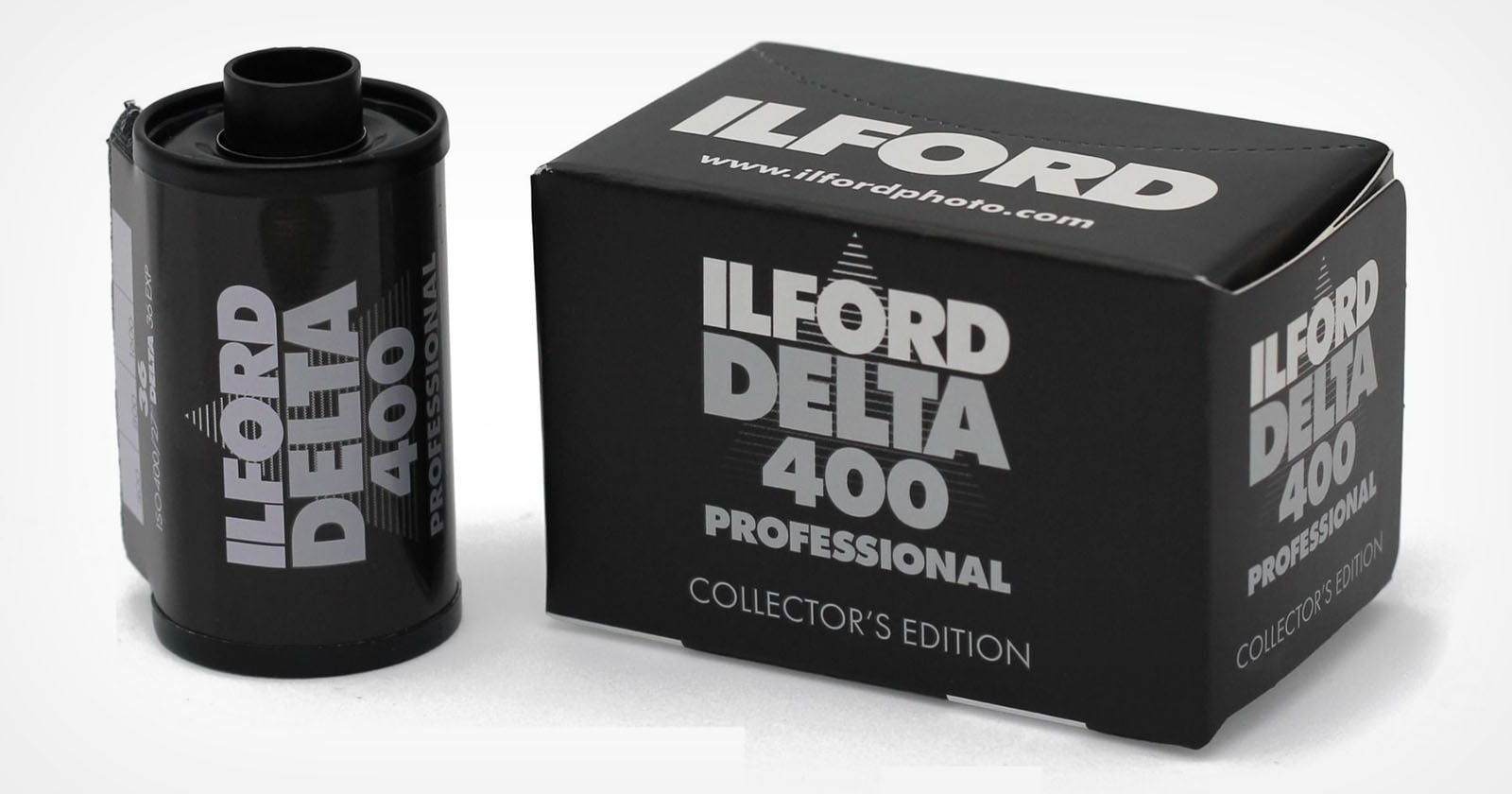
In the hallowed hall of photography history, where every grain counts and every exposure is a pact with chemistry, Ilford has just pulled back the curtain on a new chapter for its Delta 400 Professional line. This isn't merely a restock or a seasonal release; it is a Collector's Edition, a rare artifact designed for those who still believe that the ritual of black-and-white film offers something digital sensors cannot replicate. The announcement carries the weight of scarcity, labeled explicitly as "very limited," which instantly transforms the product from a standard supply item into a coveted object for purists and archivists alike.
The core of this release lies in the technical refinements that Ilford claims to have achieved: increased sharpness and superior dynamic range. For decades, the Delta 400 has been the workhorse of the street photographer, the documentary maker, and the fine-art enthusiast who needs the punch of ISO 400 without sacrificing the creamy texture of the negatives. However, as digital sensors have leaped forward in low-light performance and detail retention, the film world has struggled to keep pace. This new iteration aims to close that gap, offering a modernized version of a classic that finally punches above its weight class in terms of resolution and tonal separation.
Imagine holding a negative that reveals details in the deepest shadows and the brightest highlights with a clarity that feels almost tactile. The improved dynamic range means that the chaotic reality of a street scene—the glint of a car headlight against a brick wall, the dappled light through an urban canopy—can be captured without the harsh clipping or the muddy loss of detail that often plagues high-speed films. It is a significant leap for a film that has long been defined by its utility rather than its exoticism, proving that even established legends can still evolve.
The "Collector's Edition" designation adds a layer of narrative to the technical specs. It suggests that this specific run of film is intended to be preserved, much like a first edition book or a vintage racing car. In an era of infinite digital copies and cloud storage, the physicality of a limited film run offers a unique psychological anchor. It forces the photographer to be deliberate, to treat the roll of film not as a disposable medium but as a finite resource that demands respect and careful consideration for every shutter click.
There is a certain romance in the idea that a few thousand negatives will exist in the world, each one a testament to the specific moment it was captured on that particular strip of emulsion. This scarcity drives the community forward, fostering a renewed interest in the craft of darkroom work and film scanning. As enthusiasts flock to stock photo vendors or specialty retailers to secure their own rolls, the conversation shifts from mere logistics to appreciation of the medium's enduring soul.
Ultimately, Ilford's latest Delta 400 is a reminder that innovation in analog photography doesn't always require inventing a new chemical formula from scratch. Sometimes, it just requires refining the existing ones, polishing the rough edges, and presenting the results with the gravity they deserve. For those who still reach for the 35mm camera with a steady hand, this new edition promises to be a worthy companion, bridging the gap between nostalgic tradition and modern performance.
On Bluesky? Meet HomeSky.
Follower analytics, a growth toolkit, scheduling and AI posting — built for Bluesky. Connect your account and use everything free for 60 days.
Try HomeSky free →