Nearly Half of Farmers Globally Poisoned by Pesticides Each Year
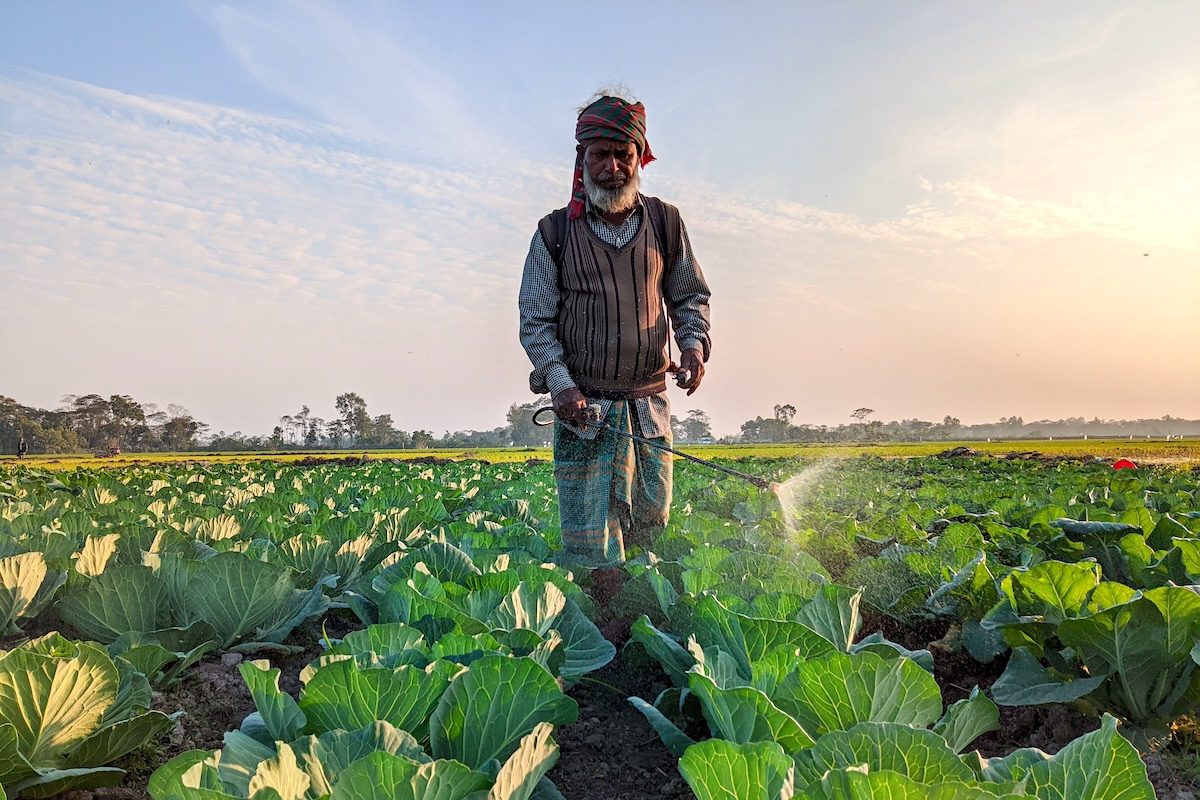
In the quiet dawn of a rice paddy in Vietnam or the humid heat of a cotton field in India, the work begins not with the promise of harvest, but with the calculation of survival. A new study shatters the illusion that agricultural safety has improved as technology has advanced, revealing a stark, terrifying truth: nearly half of the world's farmers are poisoned by pesticides every single year. This is not a statistical anomaly reserved for the developing world; it is a global systemic failure where the very tools used to feed humanity simultaneously threaten the lives of those who cultivate it.
The mechanism behind this crisis is often invisible, masked by the very air we breathe and the soil we till. Pesticides are designed to be lethal to specific organisms, yet they frequently lack the precision to discriminate between pests and humans. When applied, these chemicals enter the bloodstream through the skin, the lungs, or contaminated food and water. The symptoms can range from immediate nausea, dizziness, and blurred vision to long-term neurological damage, reproductive issues, and cancers that may not manifest for decades. For a farmer standing knee-deep in a spray mix without proper protective gear, the margin for error is non-existent.
What makes this statistic particularly haunting is the disconnect between global policy and on-the-ground reality. While industrialized nations have implemented stricter regulations and safety protocols over the last century, much of the world's agricultural labor still relies on methods that prioritize yield over human safety. The economic pressure to produce cheap food drives the adoption of highly toxic compounds, while the cost of protective equipment and training remains prohibitive for smallholder farmers who make up the vast majority of the global workforce. In this context, the poison is not an accident; it is a necessary cost of the current food system.
The ripple effects of this exposure extend far beyond the immediate health of the individual. Children born to chronically poisoned parents face developmental delays, and communities near large agricultural operations often suffer from contaminated water supplies that affect everyone, regardless of their profession. We are essentially outsourcing our toxicity to the most vulnerable members of society, treating human health as an externality rather than a foundational pillar of sustainability. The tragedy is that we know better. We have the scientific knowledge to mitigate these risks, yet we continue to operate as if the status quo is inevitable.
Perhaps most profoundly, this narrative forces us to reconsider the definition of progress in agriculture. We have engineered crops that feed billions, yet we have not engineered a system that protects the hands that plant the seeds. The story of modern farming is no longer just about calories produced per acre; it must also account for the human cost paid in suffering and premature death. Until we fundamentally redesign how we approach chemical application, prioritize worker safety, and revalue the labor of those who sustain us, we will continue to harvest our future on the graves of our present.