The $200 Firefox mechanical keyboard sold out
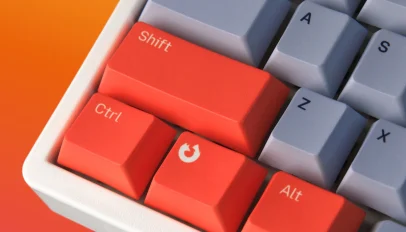
The intersection of utility and identity is rarely this expensive, yet here we are: a full-sized mechanical keyboard bearing the Firefox logo has vanished from shelves for the price of a mid-range laptop bag. It is a strange phenomenon in the world of open source, where the community often prides itself on rejecting the polished veneer of corporate consumerism. Yet, Mozilla's decision to manufacture a dedicated peripheral that costs two hundred dollars suggests a deeper ambition than mere branding. They are not just selling keys; they are selling the physical manifestation of a digital ethos, a tangible declaration that the browser you use can extend into the very tools you wield to create.
For the enthusiast, the hardware specs tell a story of premium intent. We are looking at a standard 108-key layout equipped with genuine Cherry MX switches, ensuring that the tactile feedback remains crisp and clicky, exactly what enthusiasts demand. But the real differentiator lies in the customization that sets it apart from the sea of generic black and white keyboards flooding the market. The inclusion of Kit, Mozilla's beloved new mascot, on the Escape key, alongside the classic Firefox branding on the super and meta keys, transforms a piece of computer hardware into a personalized artifact. It is a subtle nod to the user base, a way of embedding personality into the interface where it is least expected, even if that expectation is precisely on the keys themselves.
Connectivity options are robust, offering wired, Bluetooth, and 2.4g wireless modes to suit any workflow, but the wireless capability alone would likely justify a fraction of the cost for most casual users. The true value proposition rests on the exclusivity of the design and the scarcity of the release. When a product sells out immediately, it signals a hunger within the community for official, high-quality peripherals that align with their digital lives. This isn't just about having a logo on a keycap; it is about the feeling of belonging to a group that cares enough about the tools of their trade to invest in them, to ensure that the device they type on reflects the software they champion.
The phrase "sneaks in a little personality" is a marketing euphemism that barely scratches the surface of what this keyboard represents. In an era where software is increasingly invisible and abstract, physical objects serve as anchors to our identity. A keyboard is one of the few things we touch dozens of times a day; it is the primary interface between human thought and digital execution. To have that interface adorned with the colors and symbols of the browser that powers our information consumption creates a cohesive loop of identity. It validates the user's choice, turning the act of typing into a ritual that honors the open web.
Ultimately, the swift sell-out of this $200 device is less a failure of distribution and more a testament to the enduring desire for authenticity in tech. While the price point is steep, it serves as a filter, separating the casual browser from the dedicated advocate who wants their workspace to scream their convictions. The fact that it is gone now leaves a void, not just on store shelves, but in the imagination of those who missed out on owning a piece of Firefox history. It reminds us that in the world of technology, the most powerful statements are often the ones we make with our hands, one keystroke at a time.