The complex corporate web behind a $3.2 billion AI data center
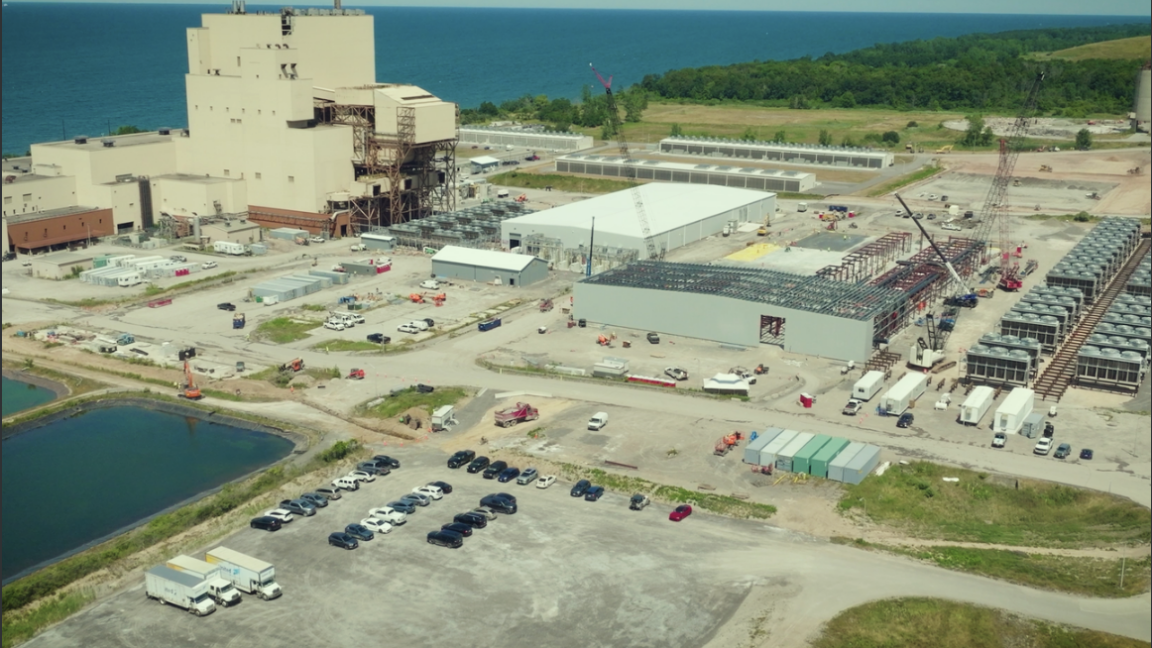
It is a peculiar anomaly in the modern tech landscape that a single facility capable of powering the digital ambitions of an entire generation requires the financial fingerprints of three distinct billion-dollar conglomerates. When a project of this magnitude—tagged with a staggering $3.2 billion price tag—emerges, the traditional linear model of corporate accountability shatters, replaced by a tangled web of joint ventures, subsidiary contracts, and shared liabilities. The result is a structure so complex that no single board member can easily trace where the responsibility for a server failure, a cooling system breakdown, or an ethical oversight truly begins or ends.
This diffusion of ownership is not merely a legal cleverness but a strategic necessity born from the sheer scale of artificial intelligence infrastructure. The demand for compute power has outpaced the ability of any single corporation to build the necessary real estate, secure the energy grids, and deploy the specialized hardware without leveraging massive capital reserves from partners. Yet, as the industry rushes to scale, this collaborative model introduces a dangerous ambiguity. When multiple entities sign off on the same blueprint, who bears the burden when the reality of physics clashes with the theoretical promises of AI?
The stakes of this complexity become terrifyingly clear when we consider the operational realities of these data centers. If a fire breaks out in a cooling chamber or a critical software update corrupts the training models, the legal battle to determine liability could paralyze the very systems the companies are desperate to keep running. In a world where uptime is synonymous with economic survival, a dispute over which partner's contract clause was violated could lead to days of downtime, effectively halting the progress of research that spans years and billions of dollars. The interplay between these entities often obscures the chain of command, creating a governance vacuum where accountability is theoretically shared but practically elusive.
Furthermore, this corporate entanglement complicates the broader questions of energy consumption and environmental impact. With three major players pulling different strings, decision-making regarding sustainability often becomes a stalemate rather than a coordinated effort. One partner might prioritize cost-cutting measures that save immediate cash but drain energy reserves, while another pushes for green initiatives that require costly upgrades. The friction between these competing corporate agendas within a single facility can lead to inefficiencies that ripple outward, affecting the global carbon footprint of the AI industry in ways that are difficult to audit or regulate.
Ultimately, the $3.2 billion data center stands as a monument to both human ingenuity and corporate caution. It is a marvel of engineering that powers the next wave of innovation, but it is also a cautionary tale about the risks of over-complicating ownership structures. As the artificial intelligence revolution accelerates, the industry must ask itself whether this model of shared risk is sustainable. If the web of responsibility becomes too dense, we risk a future where no one is truly responsible for the failures that threaten to slow down the very progress we are so eager to see.