The super El Niño is already wreaking havoc: here’s what’s in store
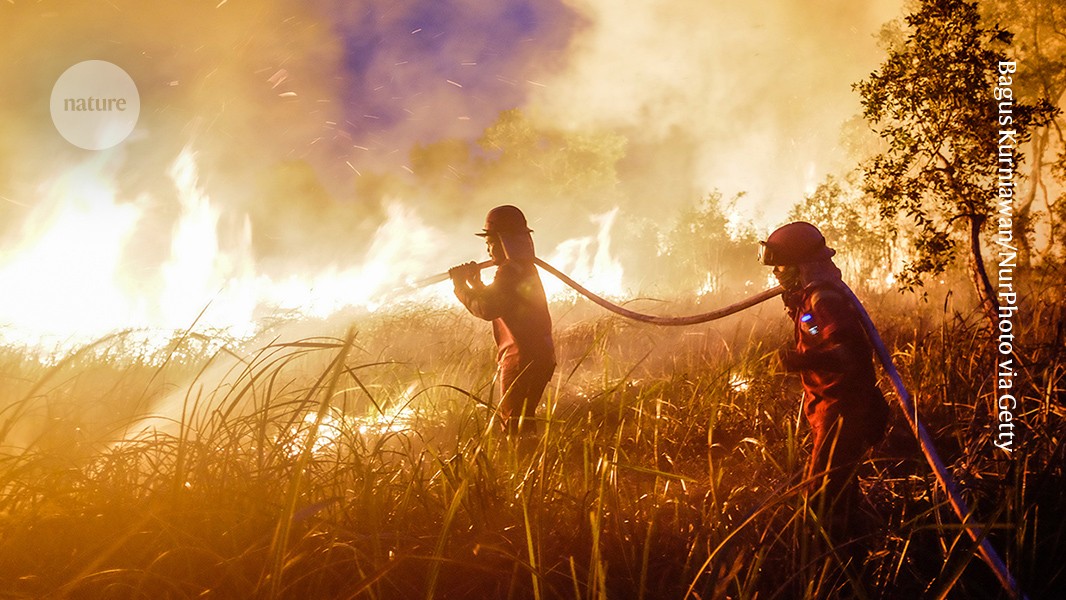
For decades, the rhythm of our climate relied on a predictable dance between the warm Pacific waters near the equator and the cooler waters further west. That rhythm has been broken. We are not merely observing a standard El Niño event; we are witnessing what scientists are calling a "super El Niño," a phenomenon of such unprecedented intensity that it is fundamentally altering the trajectory of global weather patterns. This is not a distant theoretical risk projected for the next decade; the machinery of this disruption is already grinding away, and the consequences are being felt with immediate, devastating clarity.
The sheer scale of this event defies historical precedent. As sea surface temperatures soar to levels not seen in centuries, the energy released into the atmosphere creates a perfect storm of instability. We are seeing the atmospheric bridge weaken, allowing massive amounts of heat to surge northward into the jet stream with greater velocity than ever before recorded. This isn't just about warmer winters or drier summers in isolation; it is about the complete reorganization of global wind patterns, which act as the conveyor belts for our weather systems. When those belts buckle and break under the weight of such thermal variance, the result is a world where predictability becomes a luxury we can no longer afford.
The human cost of this atmospheric unraveling is already manifesting in the most vulnerable corners of the globe. In the southern United States and parts of South America, persistent drought has turned once-fertile lands into dust bowls, threatening food security and driving migration. Conversely, the western coast of North America faces a deluge of historic rainfall, leading to catastrophic flooding and infrastructure collapse. These are not isolated incidents but symptoms of a single, massive systemic failure. Communities that have relied on established seasonal cycles for generations find themselves unprepared, as the very foundation of their agricultural and economic planning has shifted beneath their feet.
What makes this particular super El Niño so dangerous is its timing, occurring as the world grapples with the compounding effects of human-induced climate change. We are seeing a convergence of forces where natural variability and anthropogenic warming amplify each other. The ocean is absorbing a significant portion of the excess heat trapped by greenhouse gases, and now that stored energy is being violently released back into the atmosphere. It is a feedback loop of increasing severity, where each extreme event weakens the resilience of the planet, making the next event even more potent. The margin for error is shrinking rapidly.
We must move beyond viewing these events as mere weather anomalies to be weathered and start recognizing them as signals of a changing epoch. The data is not just a set of numbers on a chart; it is a stark warning of a future where "normal" is a concept that may soon become obsolete for entire regions. Adaptation strategies that worked for the past century are becoming obsolete overnight. We need a fundamental shift in how we approach infrastructure, agriculture, and resource management to survive a world governed by these hyper-intense oscillations.
As we stand on the precipice of this climactic shift, the question is no longer if we will face more disruption, but how quickly we can pivot to a new reality. The super El Niño has already begun its work, stripping away our illusions of stability and forcing a confrontation with the raw power of a planet in flux. Our ability to navigate this new landscape will depend on our willingness to acknowledge the magnitude of the threat and to act with the urgency it demands. The clock is ticking, and the storm is not passing; it is here.
On Bluesky? Meet HomeSky.
Follower analytics, a growth toolkit, scheduling and AI posting — built for Bluesky. Connect your account and use everything free for 60 days.
Try HomeSky free →