‘We are prey’: discovery of seven women’s bodies fuels anger over femicide in South Africa
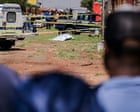
The discovery of eight women's bodies near Johannesburg's international airport, five of whom were found in just the last week, has shattered the fragile sense of security that many South Africans cling to. These are not isolated incidents of random violence; they are a terrifyingly coherent pattern that signals a systemic failure to protect the most vulnerable. As the bodies were identified, including the 38-year-old mother Elizabeth Moselakgomo, whose eight-year-old daughter was left screaming for answers, the collective grief of a nation curdled into a roar of anger that resonates far beyond the local headlines.
This tragedy is not merely a statistic added to a grim ledger; it is a visceral reminder that femicide in South Africa has reached a point of catastrophic stagnation. For decades, women have spoken out about the rising tide of gender-based violence, yet the response has often been a sluggish bureaucratic shuffle rather than a decisive martial intervention. The clustering of these victims near a major transport hub suggests a calculated predation, turning a place meant for connection and travel into a hunting ground where women are treated as disposable prey.
What makes this specific cluster so horrifying is the proximity of the events. The fact that five bodies were unearthed within a seven-day window dismantles the comforting narrative that these crimes are anomalies. Instead, they reveal a predator or predators operating with a chilling efficiency, exploiting the shadows of the airport's perimeter. This is not the work of chance; it is the work of someone who knows the terrain, who knows the rhythms of the night, and who believes the law will never catch up.
The human cost of this failure is measured in shattered lives and stolen futures. Elizabeth Moselakgomo was a mother, a daughter, and a neighbor whose absence is now a hollow space in the community. Her story, like those of the other seven victims, serves as a stark indictment of a society that has allowed its own guardians to fail. The anger felt by families and the public is justified; it is the fury of people who have watched the clock tick away safety for years, only to see the hands stop at a moment of profound betrayal.
Ultimately, the discovery of these bodies forces a necessary, uncomfortable reckoning. It demands that we stop treating femicide as a private tragedy and start recognizing it as a public emergency that requires a radical restructuring of policing, social support, and cultural attitudes. Until the state can prove it can protect women in the very spaces they are meant to traverse, the fear will not just linger; it will become the defining shadow of daily life in South Africa.
On Bluesky? Meet HomeSky.
Follower analytics, a growth toolkit, scheduling and AI posting — built for Bluesky. Connect your account and use everything free for 60 days.
Try HomeSky free →