Why Germany Is Building an Ark for U.S. Climate Data
There is a quiet, bureaucratic panic unfolding in the world's climate science community, a silent race against a potential political reset. As the scientific community braces for the next major United Nations Intergovernmental Panel on Climate Change assessment, a chilling reality has dawned on researchers: the data that will underpin the entire report might vanish from its American home. Fears are mounting that the current U.S. administration, viewing climate science through a lens of skepticism, could dismantle, alter, or simply erase the digital archives essential to understanding our planet's trajectory.
This is not merely a concern about a few missing spreadsheets; it is about the very foundation of global scientific consensus. The United States has long served as the primary vault for climate observations, hosting the National Centers for Environmental Information where decades of satellite telemetry, ocean buoy readings, and atmospheric models have been meticulously curated. Yet, this infrastructure is increasingly viewed as fragile. When political priorities shift, the custodians of truth find themselves vulnerable to the whims of the day, risking a fracture in the historical record that scientists need to predict the next century of weather.
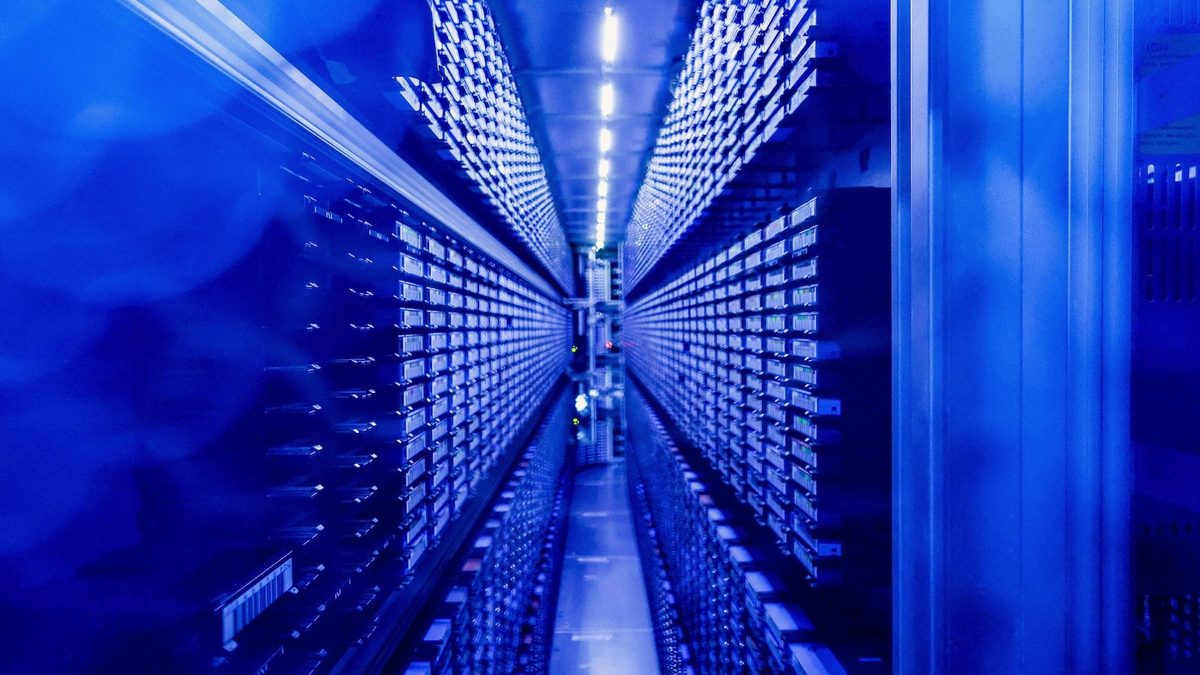
In response to this looming uncertainty, a quiet migration is underway. Scientists are no longer just discussing the possibility of data loss; they are actively executing a plan to move the most critical datasets to the safety of Germany. This is not a hasty retreat but a calculated strategic realignment. Germany hosts the Deutsches Klimarechenzentrum, a facility renowned for its political neutrality and robust security protocols. By transferring these vast troves of information to a sovereign nation with a steadfast commitment to open science, researchers aim to create a fortress against domestic interference.
The implications of this move extend far beyond simple data preservation. It represents a profound shift in the geography of truth. For years, the narrative of climate change was anchored in American institutions, granting the U.S. a de facto veto power over how the story was told. Now, as data flows eastward, the center of gravity for global climate science is shifting. It forces the international community to confront a new reality: the safety of our collective future may depend less on the government of the country that produced the data and more on the diplomatic alliances that protect it.
Critics might argue that this is an unnecessary alarmist maneuver, a case of scientists playing politics with their own work. However, the stakes are too high for such complacency. Climate models require continuous, unbroken streams of data to maintain their predictive integrity. If gaps appear in the record, or if raw data is sanitized to fit a political agenda, the resulting assessments could be dangerously flawed. The potential cost of such errors is measured in failed harvests, rising sea levels, and catastrophic weather events that will disproportionately affect the world's most vulnerable populations.
Ultimately, building an ark for climate data is an act of desperation born from a rational assessment of risk. It is a reminder that science does not exist in a vacuum; it is deeply embedded in the political structures that fund and regulate it. As the world prepares for its next major reckoning with climate change, the transfer of these digital archives to Germany stands as a powerful testament to the lengths scientists will go to ensure that the story of our changing planet is told accurately, regardless of who holds the pen in Washington.
On Bluesky? Meet HomeSky.
Follower analytics, a growth toolkit, scheduling and AI posting — built for Bluesky. Connect your account and use everything free for 60 days.
Try HomeSky free →