3 Features That Just Made The Leica Q3 More Enticing: An Experiential Review
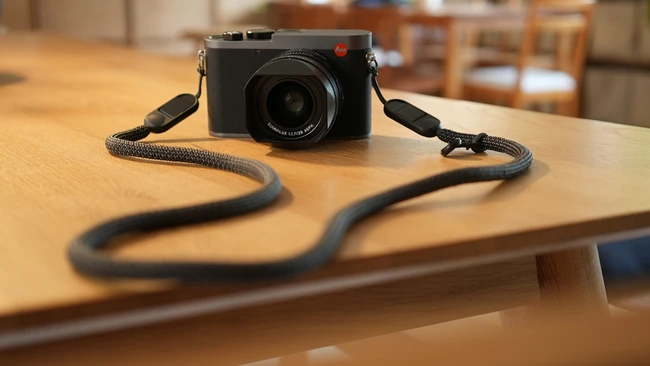
The obsession with compact fixed-lens cameras is not merely a trend; it is a quiet rebellion against the cumbersome ritual of modern photography. We are tired of swapping lenses in the rain, fumbling with memory cards, and worrying about which focal length serves the fleeting moment. The Leica Q series has long been the crown jewel of this category, but the Q3 feels less like a simple iteration and more like a fundamental shift in how we approach street photography. It is not about getting sharper images, though they are excellent; it is about removing the friction between the scene and the shutter.
The first feature that cements the Q3's dominance is its updated sensor and processing engine, which quietly elevates the dynamic range to levels previously reserved for full-frame mirrorless systems. In the past, the Q-series was sometimes criticized for struggling in high-contrast scenarios, clipping highlights on bright skies or losing detail in deep shadows. The new sensor architecture changes this entirely, offering a level of latitude that allows the photographer to retain texture in both the brightest and darkest parts of the frame. This matters because it liberates the user from the need to obsess over exposure settings; the camera does the heavy lifting, trusting the photographer to capture the moment with confidence rather than fear.
Beyond the sensor lies the lens, the heart of the system, which has undergone a subtle yet profound transformation. The new Summilux 28mm f/1.7 ASPH lens is not just a numerical upgrade; it is an optical masterpiece that balances speed with incredible sharpness across the frame. The inclusion of an aperture ring that physically clicks through f-stops feels tactile and intentional, a stark contrast to the silent, often frustrating electronic dials of modern cameras. This mechanical feedback loop reconnects the photographer with the tool, turning the act of stopping down the aperture into a deliberate choice rather than a menu selection.
The third pillar of the Q3's appeal is its refined ergonomics and build quality, specifically the addition of a weather-sealed body that makes it viable for all conditions. Previously, the Q was a camera for dry, controlled environments; the Q3 invites you into the rain, the dust, and the chaos of real life. The grip has been rethought to accommodate larger fingers and those who shoot with gloves on, ensuring that the camera stays planted against the chest during a sprint or a stumble. This physical robustness transforms the device from a fragile piece of glass into a reliable companion, encouraging photographers to be bold and unhesitant in their composition.
Ultimately, the Leica Q3 is a reminder that technology should serve the art, not overshadow it. In an era dominated by interchangeable lens systems and complex menu structures, the Q3 offers a streamlined path back to the essence of photography: seeing the world and capturing it with clarity and intent. The convergence of a superior sensor, a legendary lens, and a robust build creates a package that is not just more enticing, but necessary for anyone who believes that the best camera is the one you have ready when the moment passes.
On Bluesky? Meet HomeSky.
Follower analytics, a growth toolkit, scheduling and AI posting — built for Bluesky. Connect your account and use everything free for 60 days.
Try HomeSky free →