Data Broker Radaris Loses Domains in Privacy Fight
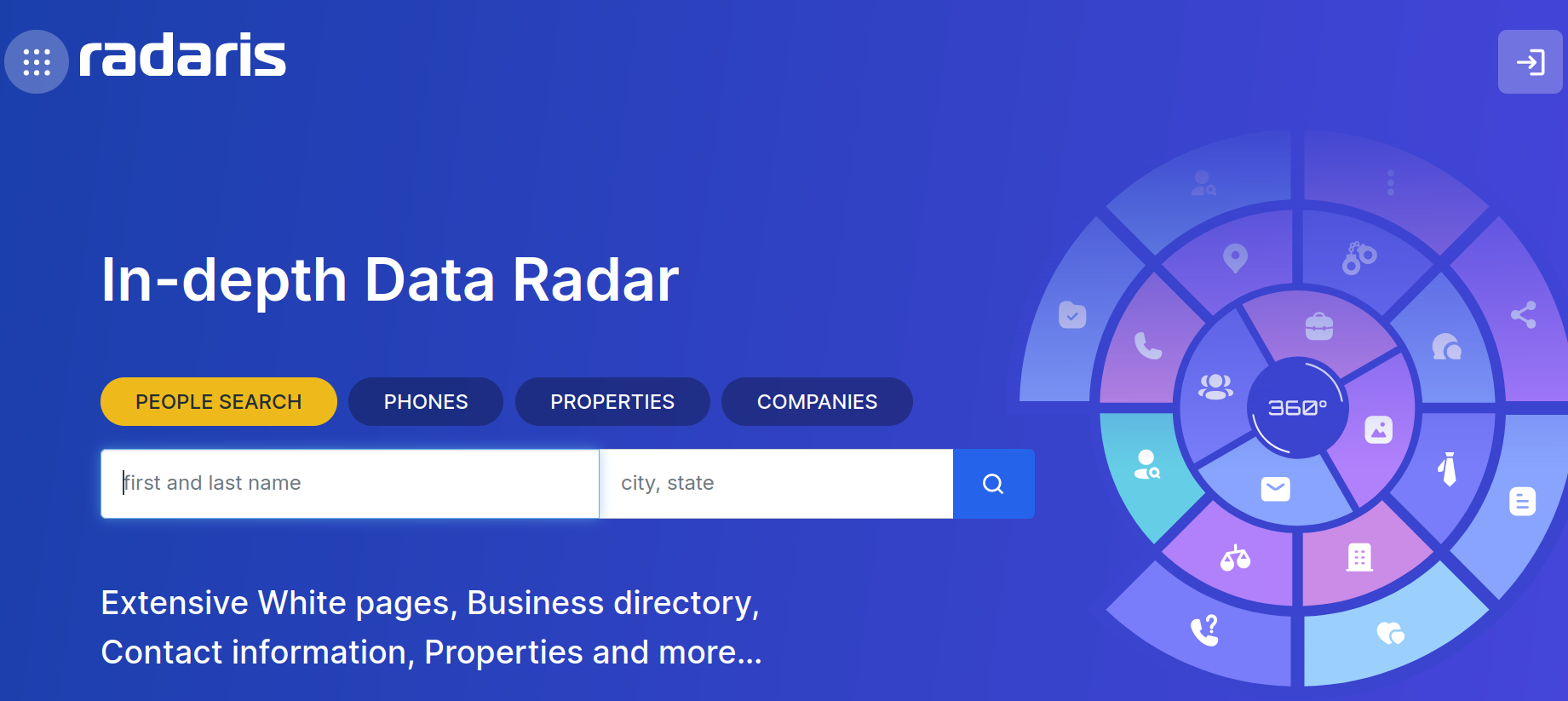
In the shadowy ecosystem of the modern internet, where personal data is commodified and traded like currency, one company has long stood as a defiant outlier: Radaris. For years, the consumer data broker built an empire on people-search services, accumulating vast troves of information on ordinary citizens and public officials alike, largely immune to the tug-of-war between privacy advocates and the data-mining industry. But the tide is turning, and the legal system is finally intervening to enforce the boundaries of privacy that Radaris seemed determined to ignore.
The catalyst for this recent shift was a lawsuit rooted in New Jersey privacy law, a statute specifically designed to punish data brokers that publish personal information on state law enforcement officials. The complaint alleges that Radaris not only violated this law but did so with a pattern of behavior that included repeated stonewalling and prevarication when faced with removal requests. This isn't merely a dispute over a few records; it is a clash between the aggressive expansion of surveillance capitalism and the statutory protections meant to safeguard public trust in law enforcement.
What makes this case particularly significant is the judge's response to the company's legal maneuvering. Faced with Radaris's attorneys who appeared more interested in delay than resolution, the court issued a decisive order: the transfer of radaris.com and more than a dozen other associated data broker domains. This ruling is not just a technical correction of DNS records; it is a symbolic severing of the bridge between the company and the very public it claims to serve. It sends a clear message that the judiciary will no longer tolerate the use of legal technicalities to shield data brokers from the consequences of their actions.
The implications of this loss extend far beyond the immediate domain names. Radaris had cultivated a reputation for intransigence, positioning itself as a fortress of information that could not be breached by privacy laws or public pressure. Now, that reputation is catching up to the company in a way that could reshape the industry. If the legal system can successfully strip away the digital real estate of a major player simply because they refused to comply with basic privacy mandates, it sets a dangerous precedent for the entire sector of people-search engines.
This victory for privacy advocates underscores a growing reality: the era of unchecked data brokerage is coming to an end. As regulators and courts begin to prioritize the right to be forgotten and the specific protections for law enforcement officials, companies that rely on opacity and legal obstruction will find themselves increasingly isolated. The transfer of these domains serves as a stark reminder that in the digital age, access to information is not an absolute right, and the accumulation of data without accountability carries a heavy price.
As the dust settles on this ruling, the question remains whether Radaris will learn from this defeat or double down on a strategy that has clearly failed. The landscape of online privacy is shifting, driven by a combination of public demand, legislative pressure, and judicial intervention. For the millions of citizens whose data once flowed freely through these portals, this decision represents a small but vital step toward reclaiming control over their own digital identities.
On Bluesky? Meet HomeSky.
Follower analytics, a growth toolkit, scheduling and AI posting — built for Bluesky. Connect your account and use everything free for 60 days.
Try HomeSky free →