Canon's R8 Mark II Finally Adds the One Feature the Original Was Missing
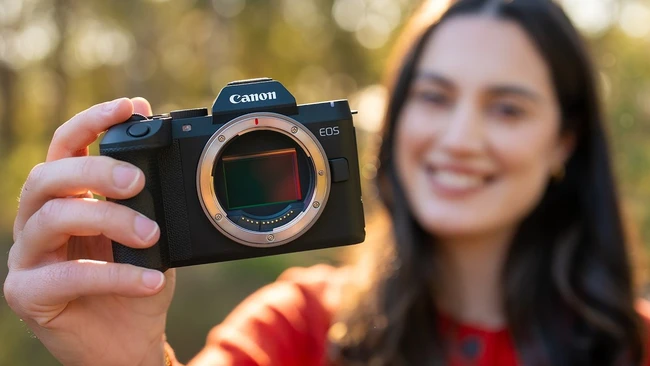
For years, the Canon R8 sat in a curious limbo, a body that felt like a ghost of the full-frame experience. It offered incredible color science, a gorgeous viewfinder, and a price point that made full-frame photography accessible to enthusiasts coming from crop-sensor systems. But it lacked the one thing that most photographers considered non-negotiable: in-body image stabilization. For a camera designed as a gateway drug to full-frame, this omission felt like a glaring oversight, leaving the sensor exposed to the tremors of human hands and the vibrations of the world. The R8 Mark II changes this dynamic, not by reinventing the camera, but by finally delivering the feature its predecessor promised but withheld.
The significance of adding in-body stabilization to the R8 Mark II cannot be overstated, particularly for its intended audience: those making their first leap from APS-C sensors. For a long time, the philosophy behind the R8 was that users would rely on lens-based stabilization or fast shutter speeds to freeze motion. But as photographers climb the learning curve, they quickly discover that lens stabilization has limits, and relying solely on it often leads to missed shots in low light or when using lighter, non-stabilized primes. By integrating the IS system directly into the chassis, Canon has effectively leveled the playing field, allowing entry-level full-frame shooters to capture sharp images in conditions where they previously would have struggled.
This isn't just a hardware tweak; it is a fundamental shift in how the camera is utilized. The inclusion of stabilization allows for wider apertures in low-light scenarios without sacrificing sharpness, turning night photography and indoor events from a challenge into a manageable task. It empowers photographers to use slower shutter speeds, smoothing out motion blur in moving subjects while keeping the foreground crisp. The result is a tool that feels less like a compromise and more like a complete solution, bridging the gap between the enthusiast market and the professional requirements that often necessitate higher-end bodies.
There is also a subtle psychological shift occurring with this update. When a camera lacks a feature its predecessors had, users often feel a lingering sense of inadequacy, wondering if they are missing out on a critical capability. The R8 Mark II removes that doubt. It validates the decision to upgrade to full-frame by ensuring that the investment unlocks every possible advantage. The combination of the 24.2-megapixel sensor, the refined autofocus, and now the comprehensive stabilization creates a synergistic effect where the whole is greater than the sum of its parts.
Ultimately, the R8 Mark II proves that sometimes the most impactful changes are the ones that simply fill the gaps. In a market flooded with incremental updates and marketing gimmicks, returning to the core needs of the user is a bold and welcome move. For those standing on the precipice of full-frame photography, this camera no longer feels like a half-measure. It feels like the complete package, ready to carry them into the light with confidence and clarity.
On Bluesky? Meet HomeSky.
Follower analytics, a growth toolkit, scheduling and AI posting — built for Bluesky. Connect your account and use everything free for 60 days.
Try HomeSky free →