To Deter Seals, Tasmanian Salmon Farmers Have Set Off 1,800 Bombs This Year
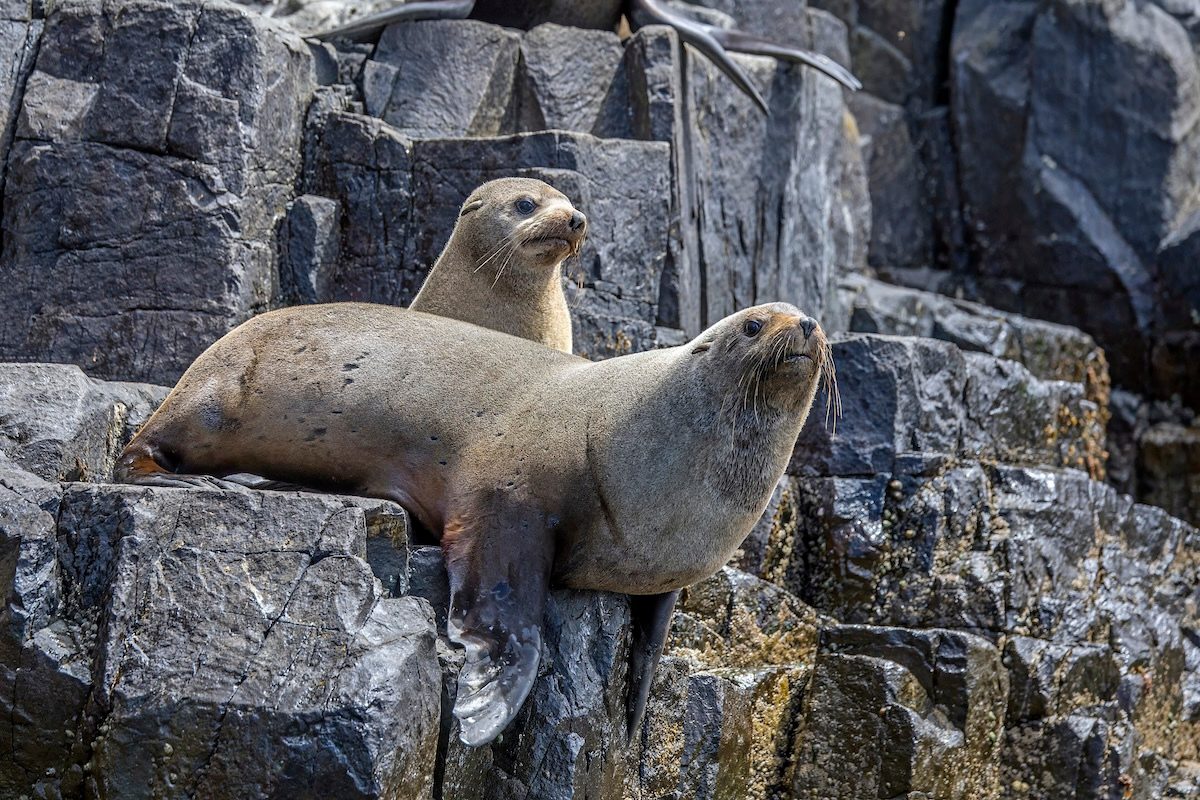
The ocean off the coast of Tasmania is currently one of the most dangerous places in the world for a fur seal, not because of natural predators, but because of a deliberate human strategy of acoustic warfare. In the first half of this year alone, government records reveal that salmon farmers detonated nearly 1,800 underwater explosives. These aren't the gentle bubbles of a sonar ping; they are powerful charges designed to shatter the delicate sensory world of marine mammals, forcing them to flee their natural hunting grounds so that commercial fish can grow in peace. It is a stark illustration of the collision between industrial agriculture and the wild, where the cost of protection is measured in the physical safety of local wildlife.
For decades, the relationship between the Tasmanian salmon industry and the local seal population has been a grim stalemate. Seals, particularly Australian sea lions and fur seals, have become increasingly bold in their foraging habits, viewing the salmon farms as easy, low-energy buffet tables. The farmers' response has escalated from simple deterrents like whistles and flashing lights to a full-blown campaign of violence against the ecosystem. By deploying these explosives, often attached to underwater devices known as "seal deterrents," the industry attempts to create a sonic barrier that is too terrifying for a seal to cross. The sheer volume of 1,800 detonations suggests that softer measures have failed, pushing the industry into an arms race where the weapon of choice is the very thing that makes the ocean a home for life: the shockwave.
The implications of this tactic extend far beyond a simple annoyance for a few animals. Underwater explosions release a shockwave that travels through water with terrifying efficiency, capable of stunning marine life at distances far greater than the intended target. While the farmers argue they are only aiming for the seals, the acoustic footprint likely disturbs other species, including whales, dolphins, and fish stocks that rely on the same sonic cues to navigate and communicate. This approach raises profound ethical questions about the limits of property rights in a shared environment. Does the economic viability of a fish farm justify systematically traumatizing a protected native species? The data says yes, for now, but the ecological cost is being tallied in a currency that the balance sheet does not yet account for.
There is a deeper narrative here about the fragility of human management systems in the face of adaptive evolution. Seals are not passive victims; they are intelligent, learning organisms that have adapted to human technology. By relying on a constant barrage of explosions, the industry may be inadvertently training seals to associate specific zones with danger, effectively mapping out safe havens for themselves while rendering the waters around the farms sterile and hostile. It is a tragic irony where the effort to protect an asset results in the degradation of the environment that asset depends on. The ocean is not a factory floor to be secured by force; it is a complex, living system where aggression often begets further aggression, whether from the prey or the planet itself.
As we look toward the future of sustainable aquaculture, the reliance on such extreme measures serves as a warning bell. If the industry cannot find a way to coexist with its predators without resorting to sonic violence, the model itself may be fundamentally flawed. The 1,800 bombs of this year are not just a statistic; they are a footprint of conflict that will echo through the seabed for years to come. The challenge for policymakers and scientists alike is to find a solution that does not treat the ocean as a battlefield, but as a delicate ecosystem where every action has a ripple effect that cannot be undone by the next explosion.
On Bluesky? Meet HomeSky.
Follower analytics, a growth toolkit, scheduling and AI posting — built for Bluesky. Connect your account and use everything free for 60 days.
Try HomeSky free →