Data Broker Radaris Loses Domains in Privacy Fight
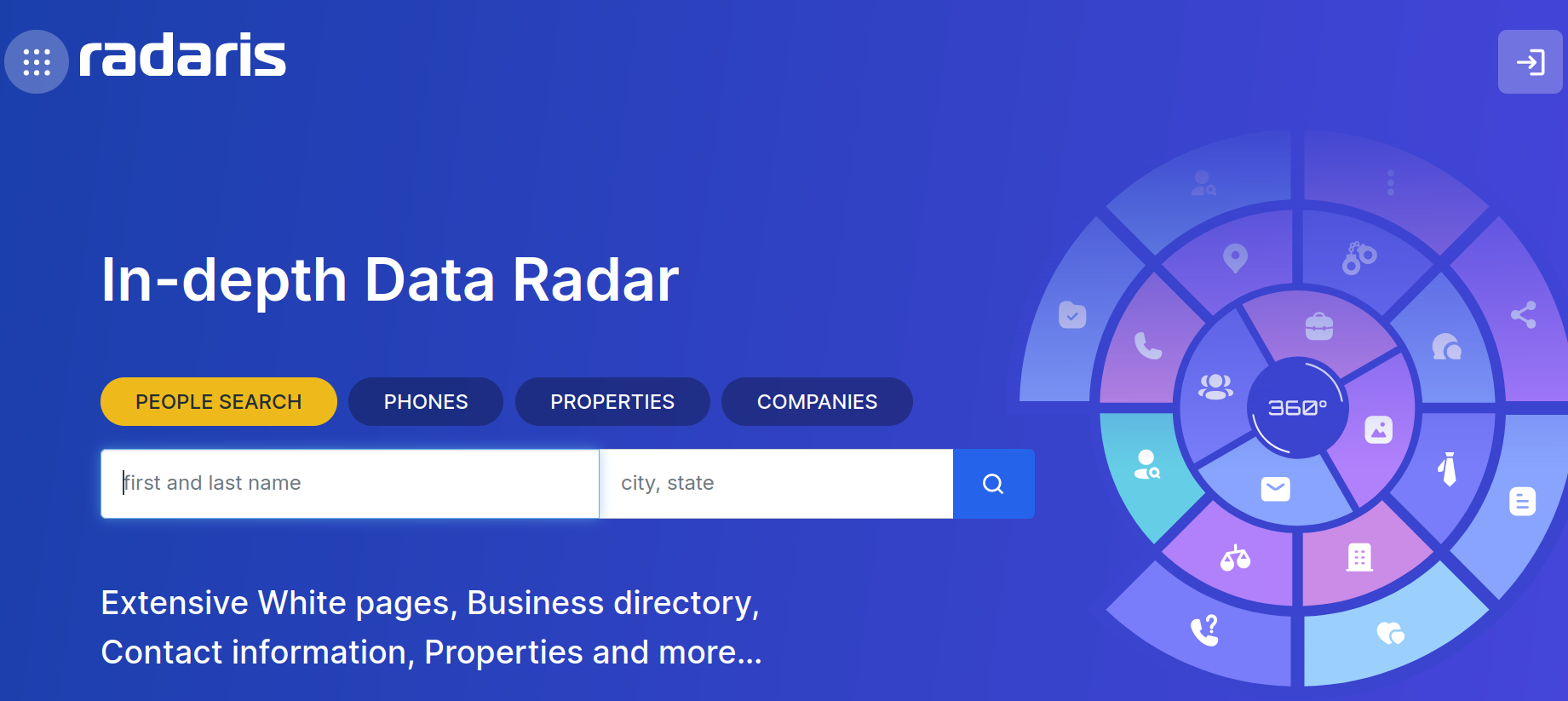
In the shadow economy of personal data, where every click, purchase, and public record is harvested and repackaged for a penny a pop, the company Radaris has long operated with a notorious disregard for the subjects it profiles. For years, the firm built its business model on the premise that if you are on the internet, you are fair game, regardless of the consequences to individual privacy or dignity. This aggressive stance recently collided head-on with the legal machinery of New Jersey, resulting in a judicial order that forces a significant restructuring of the company's digital footprint.
The catalyst for this upheaval was not merely a standard cease-and-desist request, but a specific violation of state privacy statutes designed to protect law enforcement officers. Radaris had published sensitive personal information about state troopers and other officials, creating a scenario where officers could be tracked, harassed, or even physically targeted by those seeking to intimidate them. The New Jersey law was explicit: such disclosures were not just unethical, but financially punishable. Yet, Radaris's legal team responded with a strategy of stonewalling and prevarication, attempting to delay what was becoming an inevitable reckoning.
What makes this legal defeat particularly significant is the sheer scale of the domain transfers ordered by the judge. The court did not simply ask Radaris to shut down a single webpage; it mandated the transfer of radaris.com along with more than a dozen other associated domains. This move effectively dismantles a vast empire of people-search services that has thrived on opacity. By forcing these assets into new hands, the judiciary is sending a clear message to the data broker industry: the era of absolute impunity for publishing sensitive profiles is over.
This ruling highlights a broader fracture in the tension between the free exchange of public data and the fundamental right to privacy. While many data brokers argue that they are merely aggregating information that is already publicly available, the law increasingly recognizes that the aggregation itself creates a new, dangerous threat. When a database combines a name, a home address, a spouse's name, and an employment history into a single searchable profile, it transforms scattered facts into a weapon. The case against Radaris serves as a pivotal moment where the courts have decided that the public interest in protecting vulnerable individuals outweighs the commercial interests of data aggregation.
The implications for the industry extend far beyond this single lawsuit. Competitors who have operated with similar impunity may find themselves facing a wave of litigation and regulatory scrutiny. The precedent set here suggests that privacy laws will be applied rigorously, with hefty fines acting as a deterrent against the commodification of human identity. For the millions of consumers whose data has been sold and resold without consent, this victory offers a sliver of hope that the digital landscape might finally become a place where they can remain anonymous, at least to the predatory gaze of commercial aggregators.
On Bluesky? Meet HomeSky.
Follower analytics, a growth toolkit, scheduling and AI posting — built for Bluesky. Connect your account and use everything free for 60 days.
Try HomeSky free →