Kodak Ektar 100 Brings Fine Grain and Vivid Color Saturation
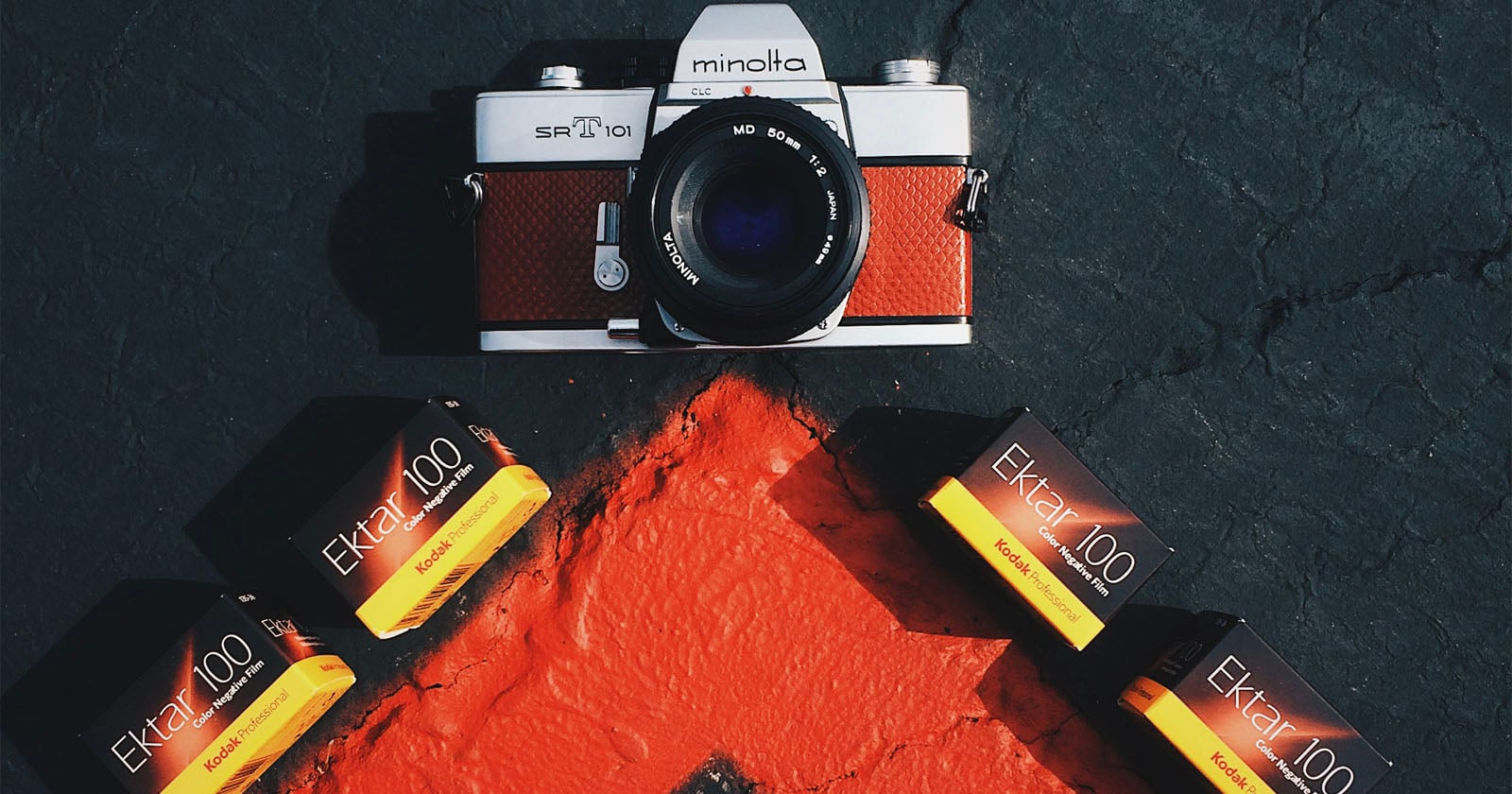
There is a specific kind of magic that happens when you look through a lens of Kodak Ektar 100, a sensation that feels less like capturing an image and more like revealing a hidden layer of reality. In a digital age where ISO 64 is often a default setting for maximum sharpness and dynamic range, the decision to load a roll of film is a deliberate act of commitment. This film has long been the gold standard for photographers who refuse to compromise on texture, offering a visual fidelity that digital sensors, no matter how advanced, have yet to fully replicate in a single exposure.
The secret to Ektar's enduring reputation lies in its unique emulsion chemistry, which was engineered specifically to minimize grain while maximizing color intensity. Unlike many other color films that trade saturation for fine detail or vice versa, Ektar 100 manages to do both. When you develop a roll of this film, the result is an image where the colors possess a liquid quality, seemingly vibrating with life. The greens in a forest look lush and deep, the reds in a sunset burn with an almost electric warmth, and the blues in the sky are a crisp, piercing azure that instantly lifts the mood of the photograph.
What sets this film apart from its stablemate, Portra 100, is the contrast curve. Portra is renowned for its skin tones and soft, cinematic look, but Ektar is the aggressor. It is a film for those who believe that a photograph should demand attention. The "poppy contrast" it provides creates a three-dimensional effect, pushing the subject forward while keeping the background distinct yet integrated. This is not a film for subtle, understated storytelling; it is for the photographer who wants their images to command the viewer's gaze from the moment they are seen.
The fine grain structure of Ektar 100 allows for an incredible level of detail that can be seen even when the film is enlarged to poster size. This level of resolution means that you can capture the texture of weathered wood, the individual strands of hair, or the intricate patterns in a fabric without the image looking soft or muddy. It is a tool for precision, yet it retains the organic soul of film photography. The slight variations in color density between the highlights and shadows add a richness to the image that feels tactile, inviting the viewer to reach out and touch the scene.
Using Ektar 100 requires a certain mindset. Because the film is so forgiving with its color science, you do not need to obsess over perfect lighting conditions to achieve a stunning result. However, the film does not shy away from the harshness of reality. Shadows are deep and black, and highlights can be bright and stark. This dynamic range forces the photographer to be present and aware of the light, to understand how the sun interacts with the subject before that first click of the shutter. It is a partnership between the filmmaker and the medium, where the film amplifies the photographer's vision rather than smoothing it over.
In the end, the Kodak Ektar 100 is more than just a piece of chemical paper; it is a statement of intent. It is a choice to embrace the vibrant, sometimes overwhelming beauty of the world around us. Whether you are shooting architectural subjects that benefit from the high contrast of lines and shadows, or capturing the fleeting moments of nature where color is king, this film delivers a result that feels timeless. It remains a heavy hitter in the world of analog photography, a reminder that sometimes the most powerful way to tell a story is to let the colors speak for themselves.
On Bluesky? Meet HomeSky.
Follower analytics, a growth toolkit, scheduling and AI posting — built for Bluesky. Connect your account and use everything free for 60 days.
Try HomeSky free →