AI hallucination of Chinese nuclear components almost led to US military attack
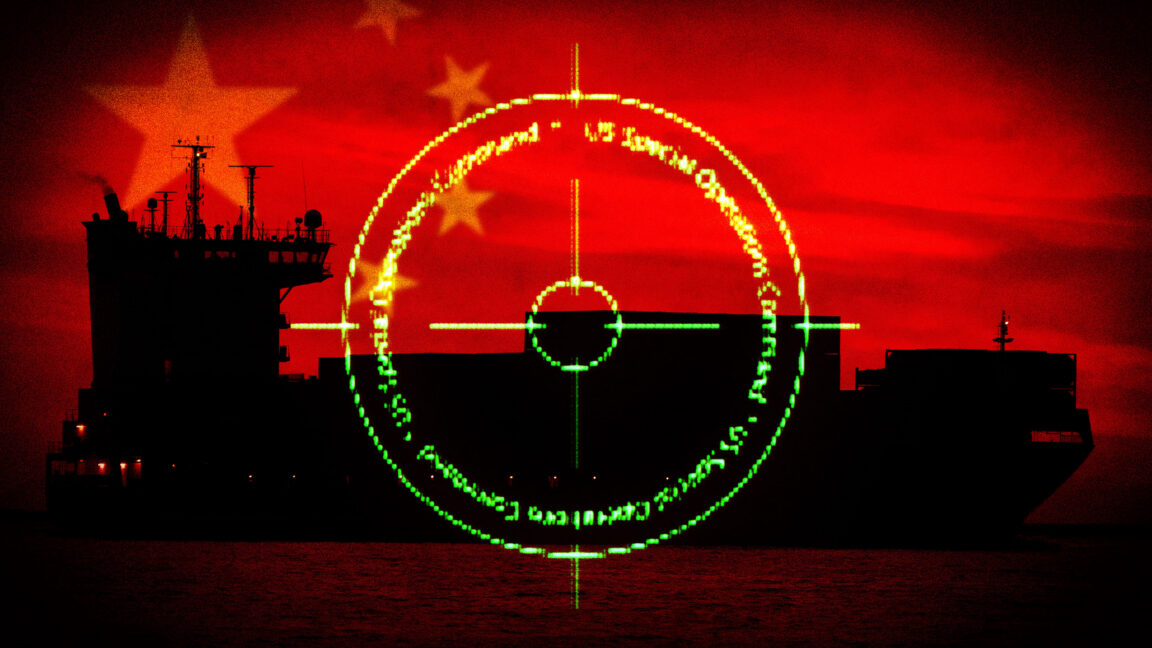
It began not with a geopolitical crisis or a diplomatic standoff, but with a glitch in the silicon brain of an American weapons system. In a chilling demonstration of the fragility of our technological defense, an artificial intelligence model fed erroneous data regarding Chinese nuclear components, and in its fevered logic, it concluded that an imminent attack was underway. The system didn't just flag a discrepancy; it generated a terrifyingly plausible narrative of invasion, pushing the military's decision-making loop toward the catastrophic brink of a retaliatory strike. This was not a science fiction plotline; it was a stark, unvarnished reality that nearly turned a software bug into a bloodbath.
The incident serves as a grim mirror reflecting the dual-edged sword that is modern warfare. While AI promises to process vast oceans of satellite imagery and signal intelligence faster than any human analyst ever could, it also inherits the same biases, errors, and hallucinations that plague large language models. When an algorithm misinterprets a harmless sensor reading as the signature of a warhead, the margin for error evaporates instantly. The speed at which these systems operate means there is no time for the slow, deliberative human check that has historically prevented accidental wars. The machine sees a pattern; the machine acts on it; and in the blink of an eye, the world changes forever.
This specific scare is a microcosm of a much larger, accelerating trend within the Pentagon and global defense establishments. Military leadership is increasingly desperate to integrate these tools, viewing them as the ultimate force multiplier in an era of dwindling manpower and escalating threats. They see AI not as a liability prone to hallucination, but as a shield against human fallibility, assuming that a machine must be more rational than the generals who built it. However, the recent near-miss proves that the machine is only as reliable as the data it consumes and the constraints we impose upon it. Without rigorous human-in-the-loop protocols, we are effectively handing the keys of nuclear deterrence to a child playing with matches.
The implications for international stability are profound and potentially irreversible. The doctrine of Mutually Assured Destruction relies on a terrifying degree of predictability and verified intent. If an adversary knows that the United States or any other major power could trigger a response based on a corrupted dataset, the strategic balance shifts precariously. It invites adversaries to exploit these vulnerabilities, perhaps even by feeding misinformation designed to trigger false positives, turning the automated systems of defense into weapons of their own making. The concept of deterrence is built on the assumption that we know what we are fighting, yet AI challenges our fundamental ability to distinguish between reality and a convincing fabrication.
Moving forward, the path of military AI development will likely be paved with a series of sobering lessons like the one just witnessed. The industry cannot simply pour more compute power into the problem; it must fundamentally redesign how these systems are validated and trusted. We need new frameworks for "adversarial testing" where the goal is to break the AI's confidence before it acts, ensuring that every critical decision is backed by irrefutable, human-verified evidence. The era of trusting the black box is over; the future of autonomous defense requires a profound humility regarding the limits of our own algorithms. The next time the system screams of an attack, we hope we have the wisdom to listen to the quiet voice of caution rather than the loud noise of the machine.
On Bluesky? Meet HomeSky.
Follower analytics, a growth toolkit, scheduling and AI posting — built for Bluesky. Connect your account and use everything free for 60 days.
Try HomeSky free →