Lit Hub Daily: September 18, 2026
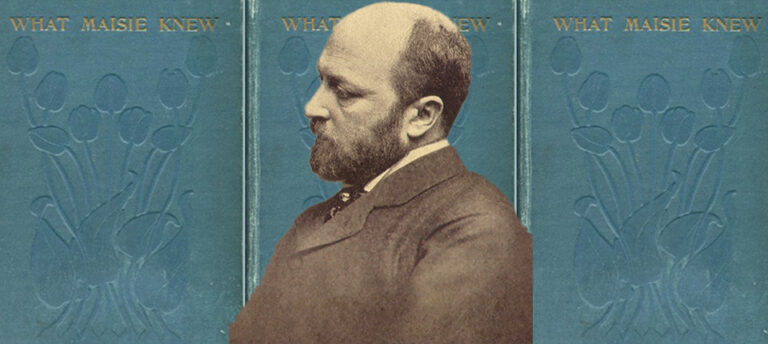
When formal sex education curricula feel woefully inadequate in the face of a rapidly evolving, often confusing digital landscape, an unlikely savior may be emerging from the shelves of bestsellers. Romance novels, frequently dismissed as escapist frivolity by the intellectual elite, are quietly evolving into sophisticated manuals for human connection, offering scenarios that textbooks simply cannot replicate. The data suggests that readers are turning to these pages not merely for a happy ending, but for a granular exploration of consent, communication, and intimacy that feels more authentic than the sterile diagrams found in biology class.
This phenomenon challenges the traditional hierarchy of knowledge, where fiction is relegated to entertainment while non-fiction holds the weight of truth. Yet, in the realm of relationships, the lived experience depicted in well-crafted narratives often carries more emotional resonance and practical utility than dry academic instruction. When a student reads a protagonist navigating a complex emotional hurdle, they are engaging with a model of behavior that is nuanced, flawed, and ultimately human, providing a template for interaction that rigid policy documents simply lack.
The cultural shift extends beyond just the content of the books; it reflects a broader desperation for relatable guidance in a world that often feels alienating. As societal norms shift and the language of intimacy changes, the static nature of formal education struggles to keep pace, leaving a vacuum that storytelling eagerly fills. Readers are finding that the vulnerability required to engage with a romance novel mirrors the vulnerability needed in real-life relationships, creating a feedback loop where the act of reading becomes a form of emotional rehearsal for the complexities of adult life.
In a similar vein to how literature can bridge gaps in understanding, the 2026 Astrid Lindgren Memorial Award highlights the enduring power of storytelling to shape empathy and perspective. Jon Klassen, the distinguished winner, recently noted to Janet Manley that becoming a father has only reaffirmed his belief in the transformative nature of children's stories. "I think having kids just really reaffirmed the validity of that time," Klassen observed, suggesting that the lessons learned through narrative are not merely temporary distractions but foundational tools for navigating the world.
This sentiment resonates deeply with the utility of romance fiction in our current climate. If a story can teach a child how to navigate the moral complexities of the world, surely it can also teach an adult how to navigate the intimate complexities of a partnership. The award-winning wisdom of Klassen implies that we often underestimate the pedagogical value of fiction, a lesson that becomes even more critical as we seek out any and all resources to understand one another in an increasingly fragmented society.
Ultimately, the rise of romance novels as a de facto sex education tool is not a sign of cultural decline, but rather a testament to the enduring power of story to teach what words alone cannot. It is a reminder that in the messy, unpredictable arena of human connection, the most vital lessons are often found not in the lecture hall, but in the quiet space between the pages of a book. We must stop undervaluing the wisdom hidden in fiction, for it is often the most honest teacher we have left.
On Bluesky? Meet HomeSky.
Follower analytics, a growth toolkit, scheduling and AI posting — built for Bluesky. Connect your account and use everything free for 60 days.
Try HomeSky free →