Microsoft's failure to find a home for Ninja Theory voids the one, very tenuous upside to Senua's SGF reveal
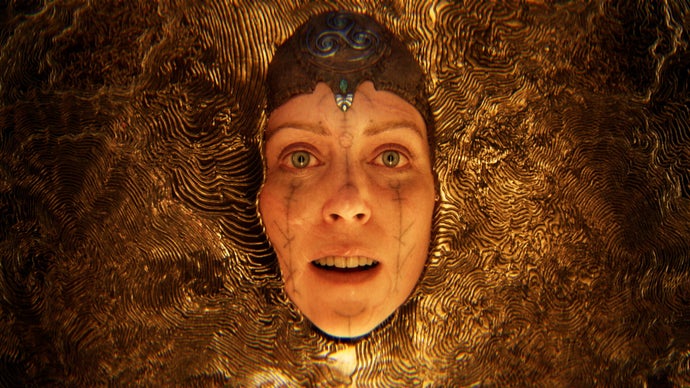
The revelation that Microsoft has failed to find a home for Ninja Theory feels less like a corporate restructuring and more like the final nail in a coffin that was already leaking. Senua's Saga: Hellblade II was supposed to be the triumphant return of a studio that had clawed its way back from the brink, a project born of necessity and artistic vision. Instead, the announcement that the game is being delayed and potentially scrapped feels like a symptom of a much deeper rot within the Xbox leadership, one where the very soul of interactive storytelling is being suffocated by a risk-averse factory model.
It is easy to point fingers at the specific decisions, but the real tragedy lies in the pattern. We have watched this exact cycle play out time and again: a studio is given a mandate, struggles under the weight of impossible expectations, and then is quietly liquidated or absorbed into a homogenized development pipeline. The hundreds of human beings losing their livelihoods are not just statistics; they are the casualties of a philosophy that prioritizes predictable returns over the messy, unpredictable nature of creativity. When a studio as distinctive as Ninja Theory is deemed a liability rather than an asset, it signals that the company has forgotten what makes games worth playing in the first place.
The tenuous upside of the original reveal—that Hellblade might finally find a platform where it could thrive—has been instantly voided by this latest round of corporate-mandated misery. The game was designed with a specific vision in mind, one that required the delicate touch of its creators. By removing that context and placing the project in a vacuum of uncertainty, Microsoft has effectively erased the potential for a masterpiece. The delay alone is a death knell for the momentum, but the broader implication is far more damaging: it suggests that the platform holder is willing to sacrifice its most innovative partners to maintain a safe, sterile environment where nothing truly new can emerge.
Furthermore, the situation with Arkane Studios adds a layer of surreal cynicism to the entire landscape. Nobody truly knows what is happening there, yet we are left to guess that the same forces at play with Ninja Theory are at work. Is it a lack of capital? A strategic pivot? Or simply a failure to understand the value of high-fidelity, narrative-driven experiences? The silence from leadership is deafening, and it leaves the industry holding its breath, waiting for a move that might never come. This uncertainty is not just bad for the companies involved; it is bad for the medium itself, as it discourages the kind of bold experimentation that once defined the golden age of gaming.
Ultimately, this isn't just about one game or one studio; it is about the future of a platform that once championed the unique voices of its developers. When the entity that holds the keys to the castle decides to lock the doors and turn back the clock to a formulaic approach, the result is a hollow victory that tastes like ash. The community deserves better than to be treated as a market to be mined rather than a culture to be nurtured. Until Microsoft can demonstrate a genuine commitment to the artists who make its ecosystem vibrant, the shadow of failure will loom large over every new announcement.
On Bluesky? Meet HomeSky.
Follower analytics, a growth toolkit, scheduling and AI posting — built for Bluesky. Connect your account and use everything free for 60 days.
Try HomeSky free →