Hubble Spots Chaotic Secret in Galaxy
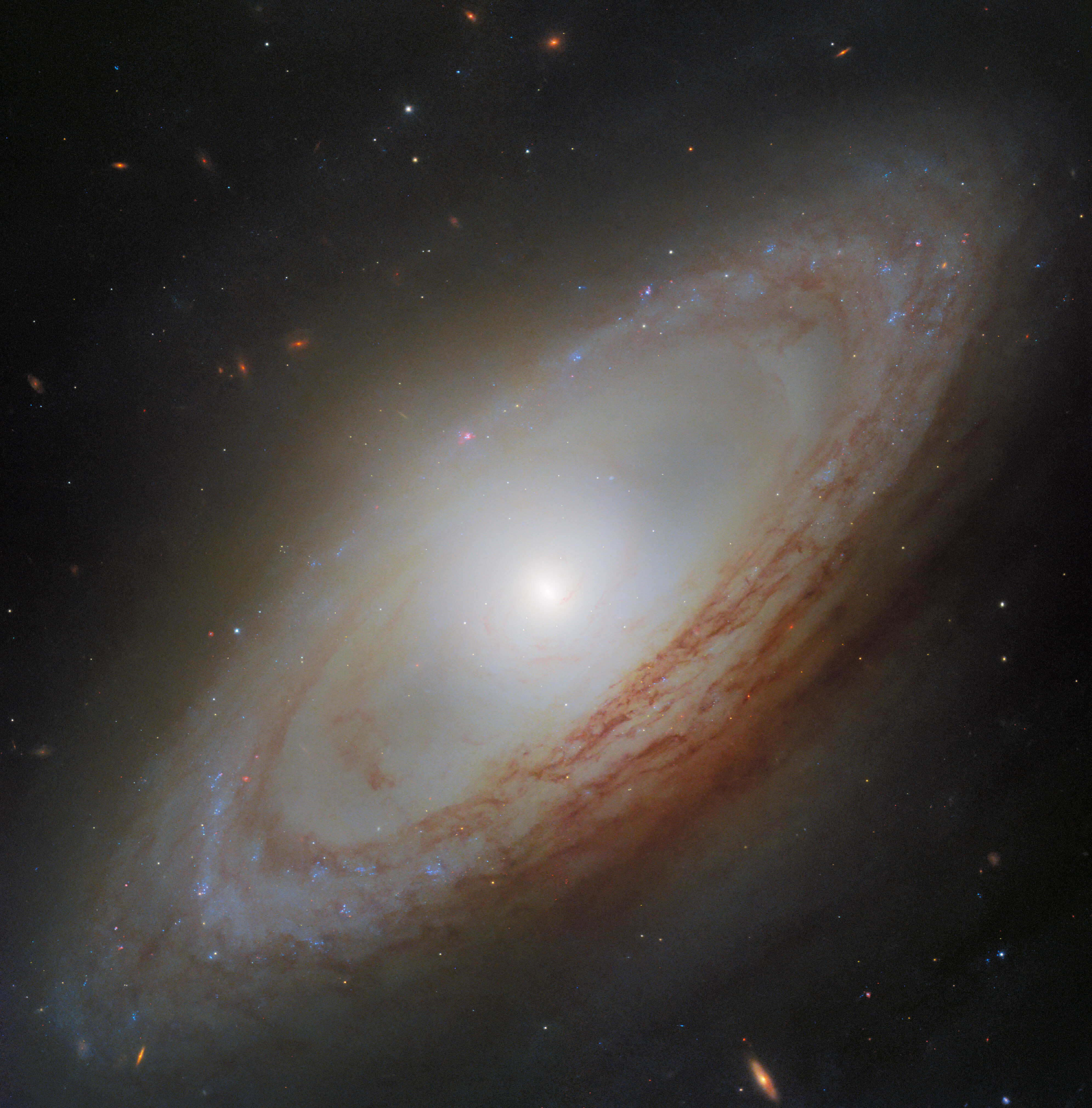
At first glance, the spiral galaxy captured by the Hubble Space Telescope appears to be a study in cosmic serenity, its arms unwinding like a ribbon of diamond dust against the velvet of deep space. This is the kind of image that has long captivated the public imagination, offering a sense of order and predictable motion in a universe often perceived as a chaotic mess. Yet, as we peel back the layers of this seemingly tranquil system, we uncover a violent, dynamic reality that challenges our intuition about galactic evolution. The galaxy, identified in the Picture of the Month series by the European Space Agency, is not merely a static relic but a living, breathing entity undergoing a turbulent transformation.
The secret lies in the galaxy's core, where a chaotic frenzy of star formation is occurring at a rate far exceeding what theoretical models typically predict for such systems. In this region, gas clouds are collapsing with frenzied energy, birthing stars at a pace that suggests something is actively driving the process rather than letting it happen by chance. Astronomers suspect that the galaxy is interacting with a companion or is perhaps in the throes of a merger, events that disturb the gravitational equilibrium and force the central engine to rev up. This interaction creates a gravitational slingshot effect, flinging gas into the dense heart of the galaxy where it is compressed and ignited, turning the quiet spiral into a stellar factory.
Why does this matter to us? Because understanding these chaotic phases is crucial to unlocking the life cycle of galaxies themselves. Galaxies are not eternal fixtures; they evolve through cycles of growth, dormancy, and renewal, often triggered by these very collisions and interactions. By observing the Hubble data, we are essentially watching a cosmic rebirth in real-time. The chaotic secret revealed here is a reminder that the universe is not a cold, dead collection of objects but a dynamic, interconnected web where energy and matter are constantly reshaped by gravity and momentum. It forces us to reconsider the stillness we often attribute to deep space.
The implications extend beyond mere observation; they touch on the fundamental questions of astrophysics regarding how order emerges from disorder. The galaxy serves as a natural laboratory where the laws of physics are put to the ultimate test under extreme conditions. The high-resolution imagery provided by Hubble allows us to see details that would otherwise remain hidden, revealing the intricate dance of gas and dust that precedes the explosion of new life. This level of detail helps refine our simulations and theories, bringing us closer to a complete understanding of how galaxies form, change, and eventually fade into the background of the cosmos.
In the end, the serene beauty of this spiral galaxy is only skin deep. Beneath the picturesque appearance lies a story of struggle, collision, and creation. It is a testament to the relentless activity that drives the evolution of the universe, hidden in plain sight within the most beautiful structures we have ever mapped. As we continue to look outward, armed with the sharp eyes of the Hubble telescope, we find that the most profound truths are often found in the places that look the most peaceful, waiting for us to look a little closer and see the chaos that defines the cosmos.
On Bluesky? Meet HomeSky.
Follower analytics, a growth toolkit, scheduling and AI posting — built for Bluesky. Connect your account and use everything free for 60 days.
Try HomeSky free →