Ilford Pan F+ Is a Beautifully Sharp, Dramatic, and Fine-Grained Film
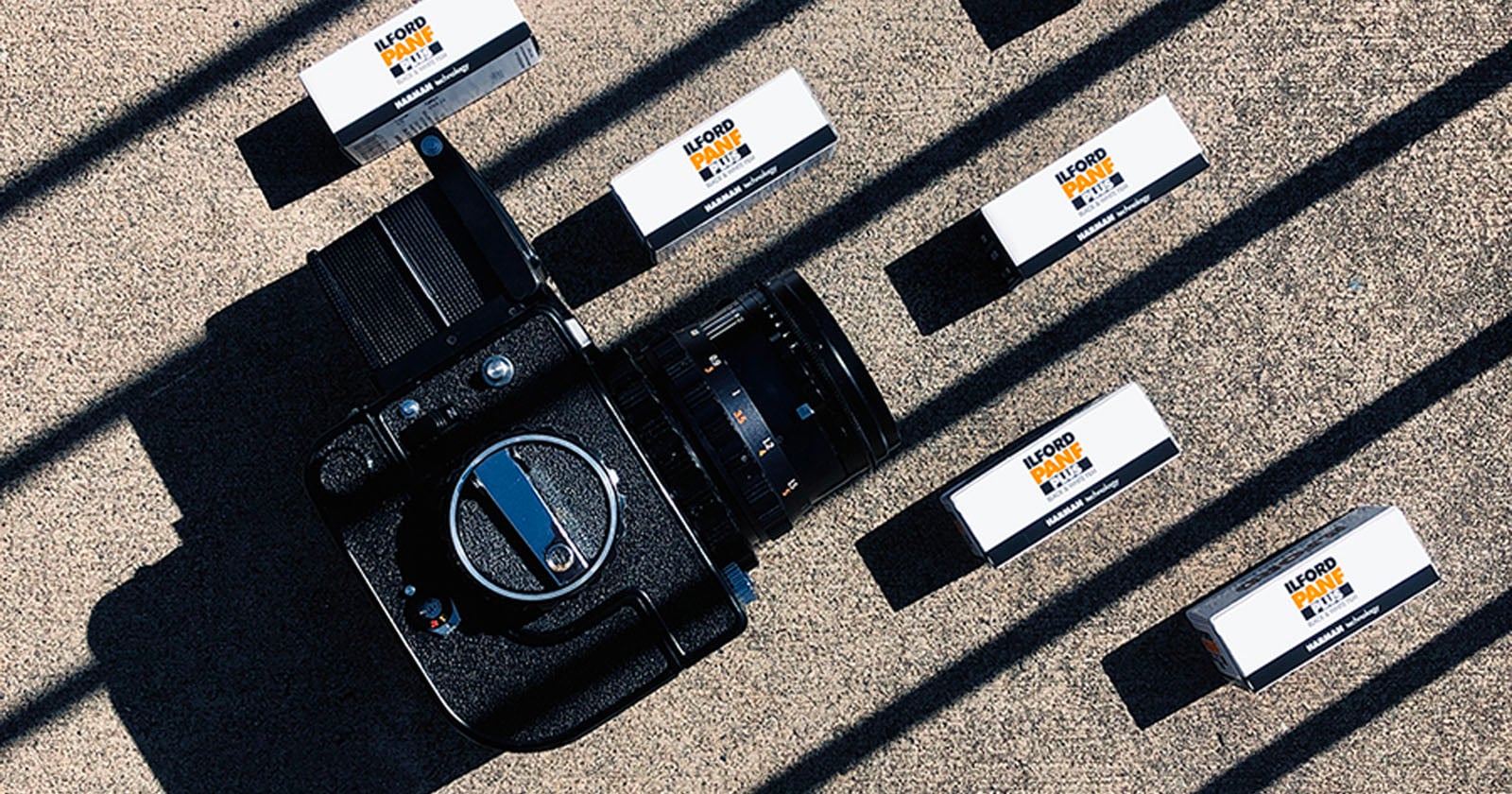
There exists a quiet, almost reverent clique of photographic films that we might call the "Sub-100 Club," a select group of emulsions that dare to flaunt ultra-low ISO ratings below the century mark. In an era dominated by the digital immediacy of ISO 800 or 3200, where grain is often treated as a defect to be minimized, these films offer a deliberate return to the art of waiting. They are not merely tools for capturing light; they are instruments of patience, demanding that the photographer understand the subtleties of shadow and highlight before the shutter ever clicks.
At the heart of this club stands Ilford Pan F+, a film that has carved out a unique legacy since its inception. While its predecessor, the Pan F, was a marvel of fine grain and speed, the Pan F+ was engineered to push the boundaries of what a 64 ISO film could achieve without sacrificing clarity. It represents a philosophical stance in a world that often prioritizes convenience over craftsmanship, insisting that the finest details are revealed only when the film is slow enough to discern them.
The visual language of Pan F+ is distinctively dramatic, possessing a dynamic range that feels almost cinematic even in a standard 35mm frame. Its tonal separation is exceptional, creating deep, velvety blacks that seem to absorb light rather than reflect it. This characteristic is particularly evident in high-contrast scenes, where the film maintains detail in the shadows that faster films would simply crush into oblivion. The result is an image that feels less like a snapshot and more like a carefully composed study in light and form.
Yet, the true magic of Pan F+ lies in its paradoxical nature: it is both incredibly fine-grained and incredibly sharp. Most low-ISO films suffer from a lack of resolving power, appearing soft or muddy when pushed to their limits. Pan F+ defies this expectation, offering a level of micro-contrast that renders textures with startling fidelity. From the individual fibers of wool in a sweater to the intricate patterns of leaves in the morning sun, the film captures the essence of the subject with a precision that feels almost hyper-realistic.
This combination of drama and detail makes Pan F+ particularly suited for specific genres of photography, particularly architecture and fine-art portraiture. In architectural shots, the film's ability to render crisp lines against deep shadows creates a sense of monumentality. For portraits, the fine grain ensures that skin tones remain smooth and natural, free from the distracting noise that plagues digital sensors in low-light conditions. It is a film that rewards the photographer who takes the time to compose carefully and expose accurately.
Ultimately, the appeal of the Sub-100 Club, and Pan F+ in particular, is rooted in the ritual of the photographic process. Using these films forces a slower approach, one that encourages the photographer to observe the world more intently and to embrace the uncertainties of development. When the negatives emerge, the reward is not just an image, but a testament to the patience and precision required to create something truly timeless. In a fast-paced world, these films remind us that sometimes, the best way to capture reality is to let it reveal itself, one grain at a time.
On Bluesky? Meet HomeSky.
Follower analytics, a growth toolkit, scheduling and AI posting — built for Bluesky. Connect your account and use everything free for 60 days.
Try HomeSky free →