Moss developer Polyarc share that they're shutting down just two months after releasing a VR-less port of the beloved mousey adventure games
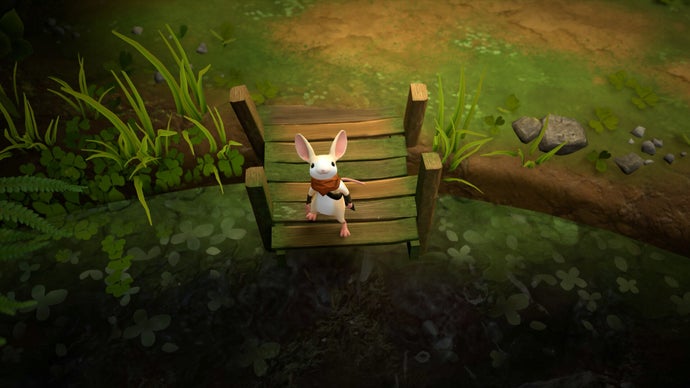
It is a strange and bitter irony that the very act of making Moss accessible to a wider audience has accelerated the collapse of the studio that created it. Polyarc, the tiny dream team behind the beloved mouse-controlled adventure game, has announced it is shutting down just two months after releasing Moss: The Forgotten Relic. This port, designed to strip away the VR headset requirement and bring the story of Pip and Quill to traditional screens, was meant to be a lifeline, a way to keep the narrative alive for those who couldn't put on a rig. Instead, it appears to have been the final straw for a company that could no longer sustain the costs of development and distribution in the modern gaming landscape.
The original Moss was a masterpiece of scale and intimacy, forcing players to move their mouse to control a tiny protagonist navigating a massive, hand-crafted world. It was a technical tour de force that proved games could be played with a mouse in a way that felt as immersive as a controller, or even a motion controller. When Polyarc decided to remove the VR dependency, they weren't just making a port; they were attempting a resurrection. They were trying to prove that the core magic of their game could exist outside the niche hardware ecosystem, hoping to expand their reach and fund further development. The timing suggests a race against the clock, a desperate attempt to maximize the lifespan of their intellectual property before the well ran dry.
Yet, the closure of Polyarc highlights a harsh reality for small, independent studios: the financial pressure of maintaining a game often outweighs the creative reward of releasing it. The development of The Forgotten Relic likely consumed resources that were already stretched thin, leaving little room for the new features or updates that players often expect when a game is remastered. The decision to shut down "active development" signals that the team has exhausted its options, perhaps realizing that the return on investment for such a specialized project was simply not there. It is a poignant reminder that even the most beloved ideas can be victims of market forces beyond their control.
This news serves as a somber chapter in the history of indie game preservation. Polyarc's story is not unique; it reflects a broader trend where small teams struggle to keep projects afloat once the initial hype cycle fades. The transition from a cult favorite to a mainstream title via a VR-less port is a risky gamble, and in this case, the gamble cost the developers their future. However, the legacy of Moss remains intact. The code, the art, and the story of Pip the mouse are now preserved in the very port that was supposed to be the studio's saving grace, ensuring that the game will live on even as the people who made it move on.
For players, the closure of Polyarc is a call to cherish the games we have, not just the studios that make them. Moss: The Forgotten Relic stands as a testament to what can be achieved when a small team pours their heart into a singular vision, regardless of the odds. The shutdown of the studio does not diminish the impact of the game; if anything, it cements its status as a timeless piece of interactive storytelling. As we move forward, the community must ensure that these stories are told and that the developers who bring them to life are recognized for their contributions, even when the path forward is blocked.
On Bluesky? Meet HomeSky.
Follower analytics, a growth toolkit, scheduling and AI posting — built for Bluesky. Connect your account and use everything free for 60 days.
Try HomeSky free →