Sigma 20-60mm f/2.8-4 DG Contemporary Review: Versatility is a Virtue
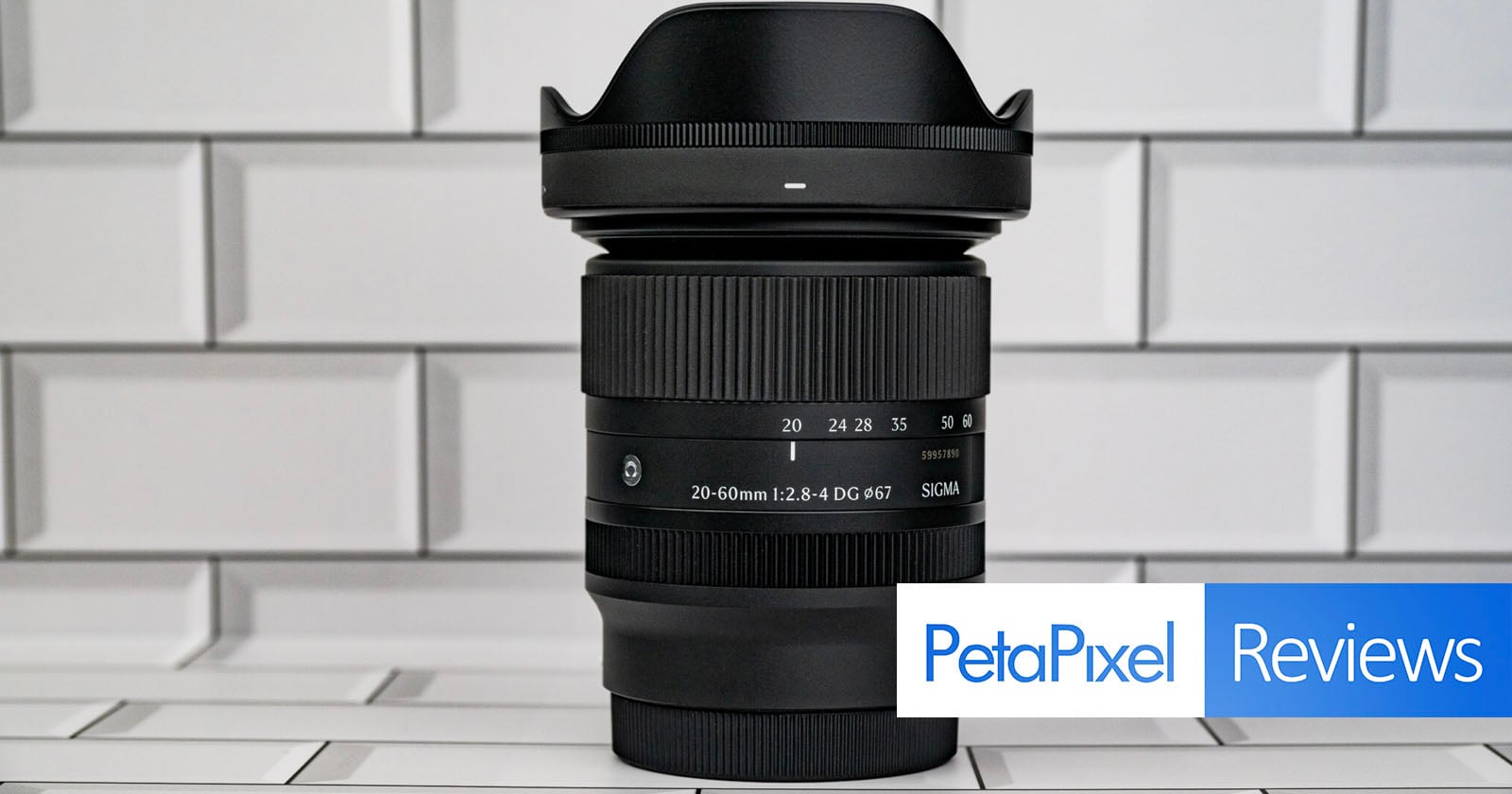
For years, the holy grail of photography was the pursuit of peak optical performance at every focal length. We treated our camera bodies as temples and our lenses as sacred artifacts, swapping between a fast prime for portraits and a telephoto zoom for sports, convinced that carrying the absolute best tool for the job was the only path to a great image. But as my gear list has grown heavier and my days shorter, a quiet revolution has taken place in my mind: convenience has quietly overtaken perfection.
The Sigma 20-60mm f/2.8-4 DG Contemporary lens arrived not just as another piece of glass, but as a philosophical shift in how I approach shooting. It is a lens that dares to ask, "What if you never had to choose again?" By sacrificing a tiny fraction of light gathering capability and stopping down slightly at the telephoto end, it gains an incredible amount of real estate. It covers a range that stretches from ultra-wide architectural shots to intimate portraits, effectively replacing the need for a second lens entirely.
There is a specific kind of magic in the moment when you raise a camera to your eye and simply snap. That split second of decision-making—deciding whether to drop the tripod, switch the lens, or fumble with a camera bag—can cost you the shot. This Sigma lens eliminates that friction. The compact build means it fits into a single-camera bag slot, often alongside a prime, creating a setup that feels manageable rather than burdensome. It is the difference between lugging a backpack full of potential and wearing a tool belt of actual utility.
Of course, no lens is perfect, and the f/2.8 to f/4 aperture transition is a constant reminder of its trade-offs. In low light, it demands more patience and a bit of noise reduction in post-processing. However, the sheer versatility of the focal range means that in the vast majority of scenarios, the image quality is indistinguishable from stop-down primes. The sharpness is excellent across the frame, the corners hold up better than expected, and the stabilization is robust enough to keep you sharp even when you are moving.
This isn't just about saving space; it is about capturing life as it happens, unimpeded by the logistics of equipment. When you are hiking, traveling, or chasing a fleeting moment, the best camera is the one you are willing to carry. By prioritizing a lens that covers more ground with a single rotation, I have found that I am actually taking more photos, not fewer. The versatility is not just a feature; it is the virtue that allows the photographer to stay present in the moment rather than being consumed by the mechanics of capture.