Across Two Exhibitions, Jaume Plensa’s Monumental Sculptures Unite Scale and Material
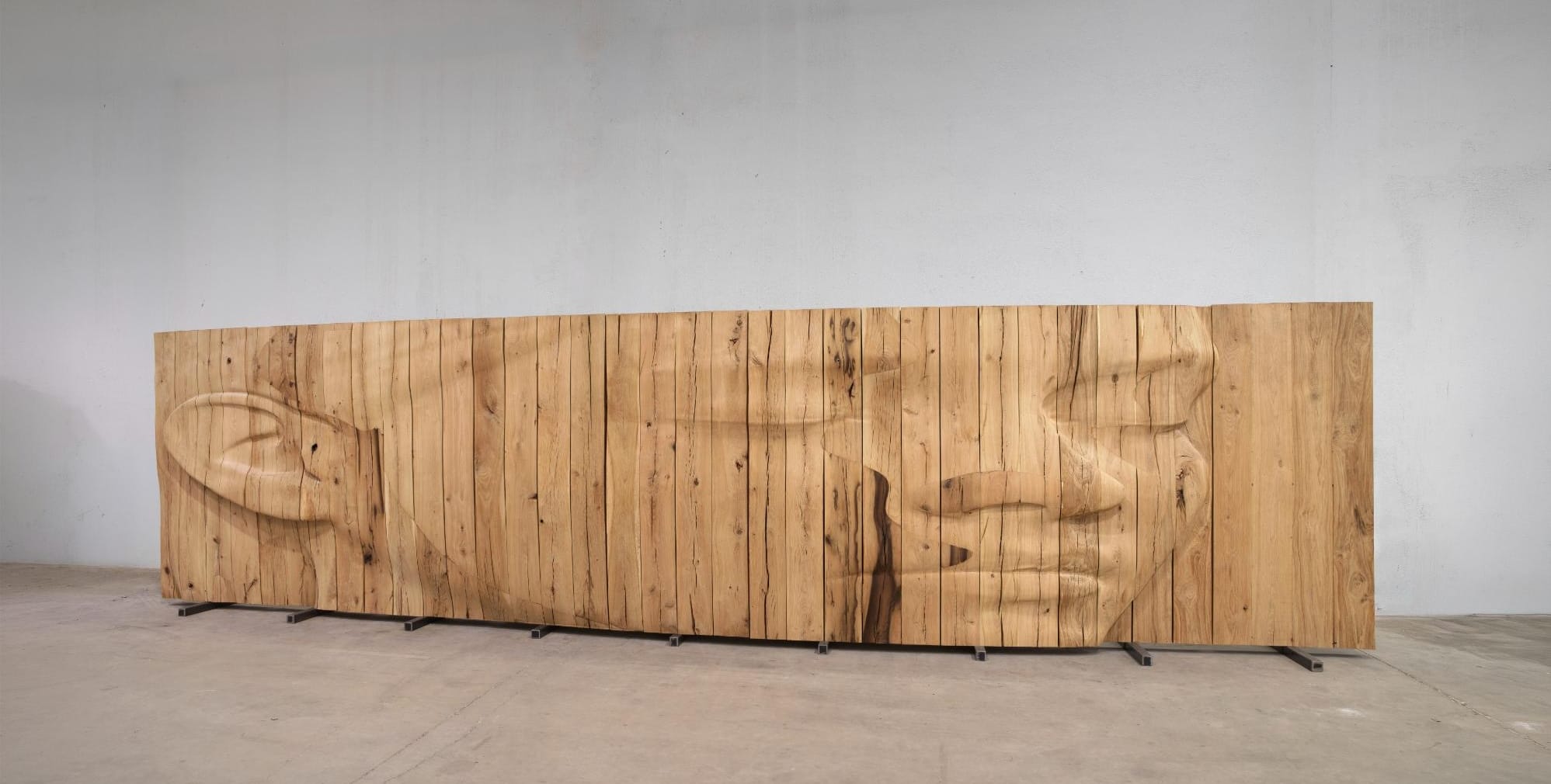
In the vast, often overwhelming silence of a gallery, a Jaume Plensa sculpture does not merely occupy space; it defines it. There is a profound tension in his work between the colossal and the intimate, a duality where a figure ten feet tall can seem more vulnerable than a doll. This tension is the heartbeat of his recent exhibitions, where the human form is constructed not from flesh, but from the very building blocks of civilization: steel, concrete, glass, and sometimes, the ethereal weight of letters. When we step back from these monoliths, we are forced to confront the sheer scale of the material, yet when we look closer, we are invited into the quiet interiority of the figure.
The choice of material is never accidental in Plensa's hands. He treats architecture as a living language, weaving steel beams into the ribcage of a woman or casting concrete into the fluid contours of a child's face. These are not statues on pedestals; they are structural elements that feel as though they could support a roof or form a wall. This blurring of the boundary between sculpture and architecture forces the viewer to reconsider how we inhabit our environments. The sculptures do not just sit in the room; they interact with the light, the air, and the movement of the people walking past them, creating a dynamic relationship between the static object and the fluid human experience.
What makes these works so poignant is the way they deconstruct the idea of the individual. By rendering the human figure in industrial materials, Plensa suggests that we are built, too, from disparate and heavy things. The letters that often crowd his figures are not merely decorative; they are the building blocks of identity and communication, suggesting that our humanity is constructed from the stories we tell and the words we speak. In a world increasingly dominated by digital abstraction, these monumental, tactile forms offer a grounding reality, a reminder of the physical substance of our existence and the fragility of the bodies that carry our voices.
The exhibitions themselves serve as a stage for this dialogue, transforming architectural spaces into arenas of contemplation. Walking around a piece, one realizes that the perception of space is relative to the scale of the viewer. A child might feel dwarfed by a towering steel figure, while an adult might find the same figure imposing in a different way. Plensa exploits this psychological shift, using scale to manipulate our sense of power and vulnerability. The art is not just about the object; it is about the relationship between the object and the observer, a shared moment of realization that we are all navigating the same complex, constructed world.
Ultimately, these sculptures are a testament to the enduring power of the human form, even when stripped of its biological reality. They ask us to look deeper, to see the architecture within ourselves and the humanity within the structures we build. As we move through these exhibitions, we are left with a lingering sense of awe, not just at the size of the work, but at the quiet, profound question it poses: what does it mean to be human when we are made of everything and nothing all at once?
On Bluesky? Meet HomeSky.
Follower analytics, a growth toolkit, scheduling and AI posting — built for Bluesky. Connect your account and use everything free for 60 days.
Try HomeSky free →