Data Broker Radaris Loses Domains in Privacy Fight
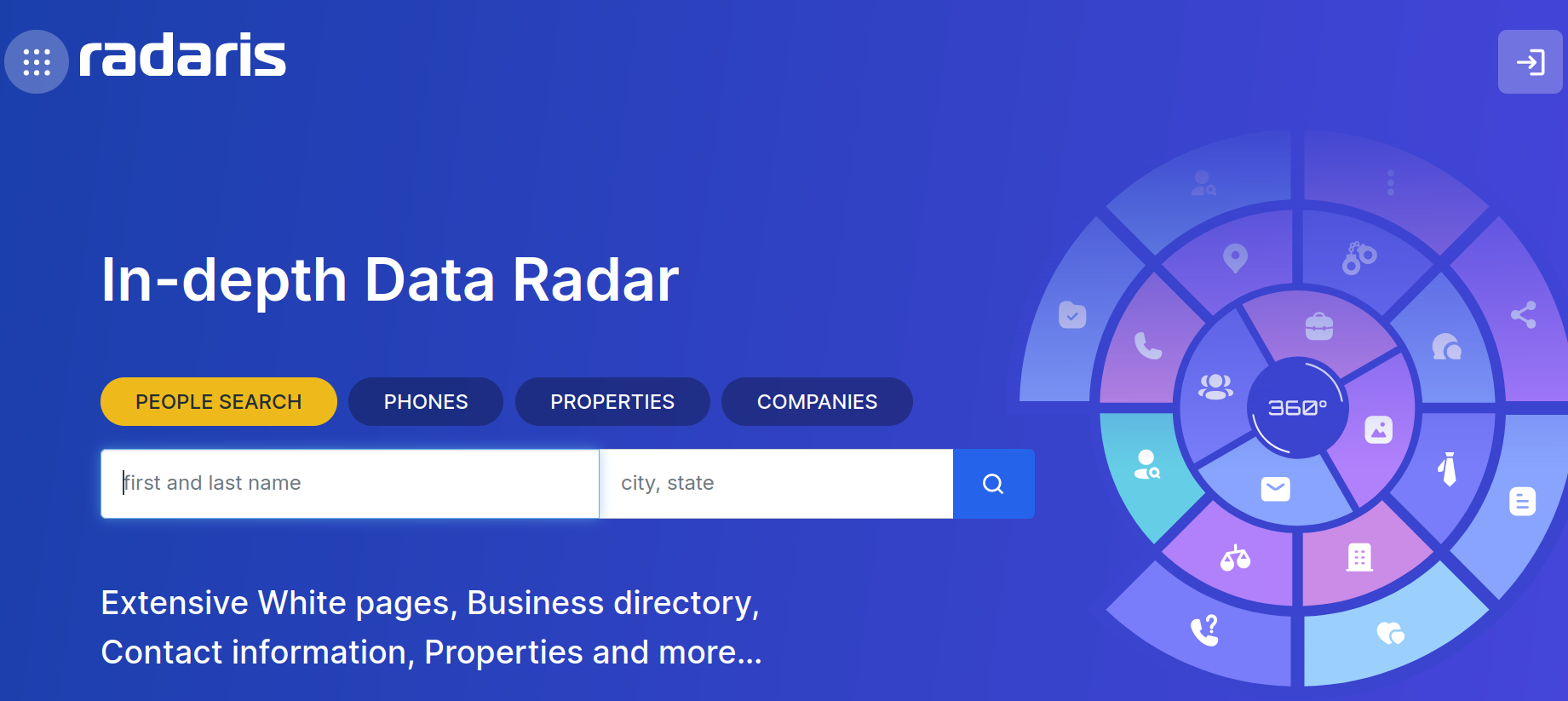
In the shadowy underworld of the modern internet, where identity is a commodity traded in bulk, a new casualty has emerged from the relentless pressure of privacy activism. For years, Radaris.com stood as a colossus in the people-search industry, a digital panopticon that seemed to know everything about everyone, from the mundane details of a birth certificate to the private history of local law enforcement. The company built its empire on the assumption that personal data, once scraped and aggregated, was untouchable by the very people it sought to expose. They operated with a brazen confidence, treating removal requests as mere noise in the static of a machine that never slept.
That confidence was shattered not by a sophisticated hack or a legislative overhaul, but by the stubborn, unyielding resistance of a single judge in New Jersey. The state's privacy laws are designed with a specific teeth: they mandate the deletion of personal information regarding law enforcement officers, aiming to protect the families of those who serve while preventing the commodification of public service. Radaris, however, responded to these legal imperatives with a masterclass in corporate stonewalling. Their attorneys engaged in a prolonged dance of prevarication, delaying tactics, and procedural gamesmanship, hoping to exhaust the plaintiffs and bury the case in paperwork.
The legal system, in its infinite patience, refused to play along. Faced with repeated failures to comply and a clear violation of state statutes, the judge finally drew the line. The ruling was swift and decisive, ordering the immediate transfer of Radaris.com and more than a dozen associated domains. This was not merely a technical takedown; it was a symbolic severing of a lifeline that data brokers had taken for granted. The loss of these domains represents a significant blow to the industry's ability to operate with impunity, signaling that legal consequences for privacy violations are no longer theoretical possibilities, but imminent realities.
This case underscores a critical shift in the ongoing battle between data aggregators and the public they exploit. It highlights the fragility of the business models that rely on the anonymity of their own operations. When a company like Radaris attempts to use the complexity of domain ownership and the slow pace of legal proceedings as shields, the courts are increasingly willing to look through the cracks. The transfer of domains serves as a stark warning to other brokers that the era of ignoring state-specific privacy laws is ending. The days of hiding behind a maze of corporate entities to evade responsibility are drawing to a close.
Ultimately, the victory here is a testament to the power of persistent advocacy and the rule of law. It validates the fears of privacy advocates who have long argued that the people-search industry operates as a wild west, unregulated and unaccountable. While the battle for digital privacy is far from over, the defeat of Radaris in New Jersey sends a clear message: when the law speaks, the data brokers must listen. The attempt to sell the private lives of law enforcement officers has hit a wall, and the path forward requires a new level of accountability and transparency from those who profit from our information.
On Bluesky? Meet HomeSky.
Follower analytics, a growth toolkit, scheduling and AI posting — built for Bluesky. Connect your account and use everything free for 60 days.
Try HomeSky free →