Alaska's ‘Rusting’ Waters More Acidic Than Mine Drainage
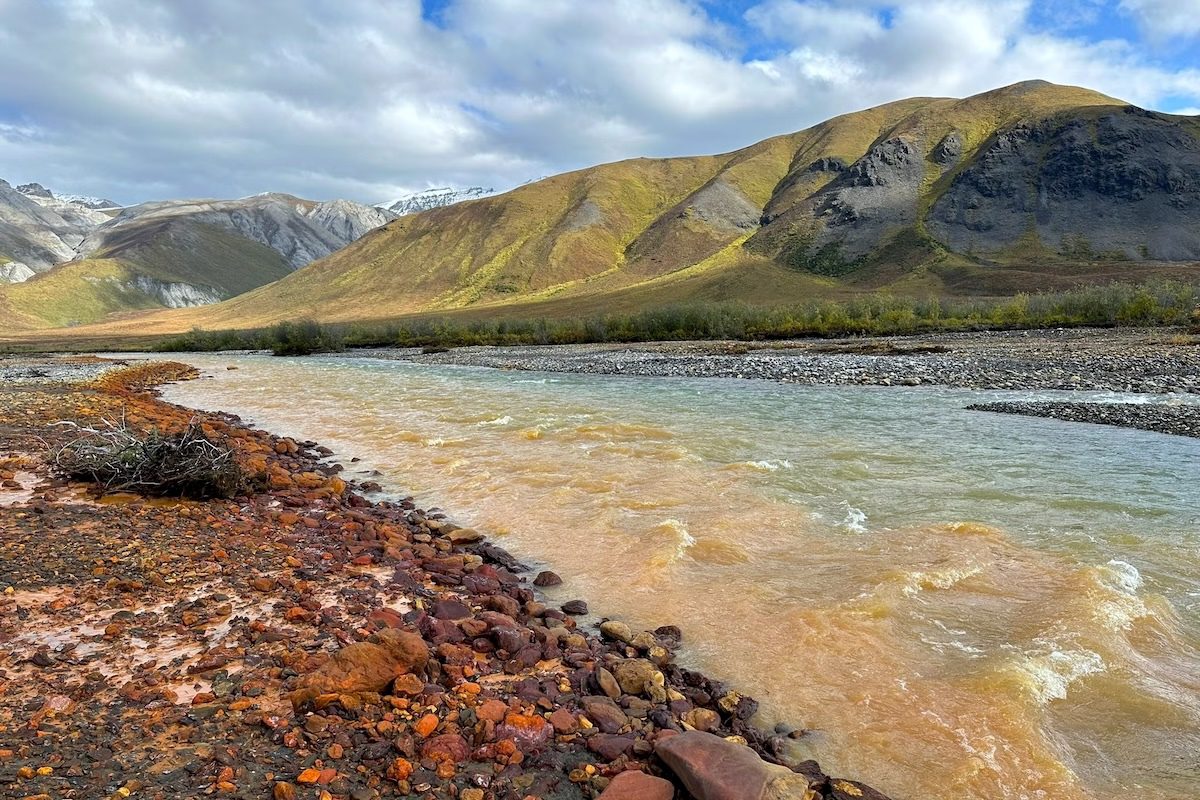
The sight of orange, rust-colored water flowing through the pristine channels of northern Alaska is a jarring contrast to the region's reputation for untouched wilderness. For decades, this vibrant hue was dismissed as a natural phenomenon, a quirky characteristic of Arctic rivers that locals had simply learned to ignore. However, a groundbreaking study has revealed that these "rusting" waters are not merely discolored by sediment but are chemically toxic, exhibiting acidity and metal concentrations that surpass even the most polluted output from industrial metal mines. This discovery forces a reevaluation of what we consider "wild" in a rapidly changing world, suggesting that the Arctic itself is becoming an unexpected and potent source of pollution.
The culprit behind this chemical transformation is the warming of the planet. As global temperatures rise, the permafrost—the permanently frozen soil that locks away billions of tons of organic matter and minerals—is beginning to thaw. This thawing acts as a massive, slow-motion release valve, leaching iron, aluminum, and other heavy metals into river systems that have remained relatively static for millennia. The process is akin to a sealed jar being opened after centuries; the contents, once trapped in a frozen stasis, are now rushing into the open, altering the fundamental chemistry of the waterways. The result is a soup of heavy metals and low pH levels that is surprisingly aggressive, capable of harming aquatic life and potentially contaminating groundwater used by indigenous communities.
What makes this situation particularly alarming is the comparison to human-made pollution. In many parts of the world, acid mine drainage is considered one of the most severe environmental hazards, a legacy of industrial extraction that scars landscapes for generations. Yet, researchers found that in certain stretches of northern Alaska, the natural runoff from thawing tundra is more acidic and laden with metals than drainage from active or abandoned mines. This implies that the scale of the problem has shifted; the Arctic is no longer just a victim of global warming but is actively generating a new class of environmental stressor that rivals human industry in its intensity.
The ecological implications are profound and potentially irreversible. Fish populations, which are the backbone of the local food web and cultural heritage for many Inuit communities, are particularly vulnerable to these changes. Heavy metals like aluminum can clog fish gills and disrupt their ability to breathe, while extreme acidity can prevent eggs from hatching, effectively sterilizing entire river systems. If the waters remain this way for any significant period, the recovery could take decades, if not centuries, as new ice cycles form and eventually re-seal the soil. The timeline of this change, driven by the relentless pace of climate change, suggests that we are witnessing a transition in the Arctic ecosystem that may be permanent within human lifespans.
Ultimately, this phenomenon serves as a stark reminder of the interconnectedness of our global climate. The melting of the frozen north does not just raise sea levels or release ancient microbes; it also unlocks chemical reservoirs that have been inert for thousands of years. The orange rivers of Alaska are a vivid, albeit terrifying, symbol of how warming temperatures are reshaping the chemical fabric of our planet. As we continue to watch the ice retreat, we must be prepared to confront a new reality where the most remote places on Earth are producing some of the most potent environmental challenges we face today.
On Bluesky? Meet HomeSky.
Follower analytics, a growth toolkit, scheduling and AI posting — built for Bluesky. Connect your account and use everything free for 60 days.
Try HomeSky free →