Have They Ruined Our Beloved Scholastic Book Fair?
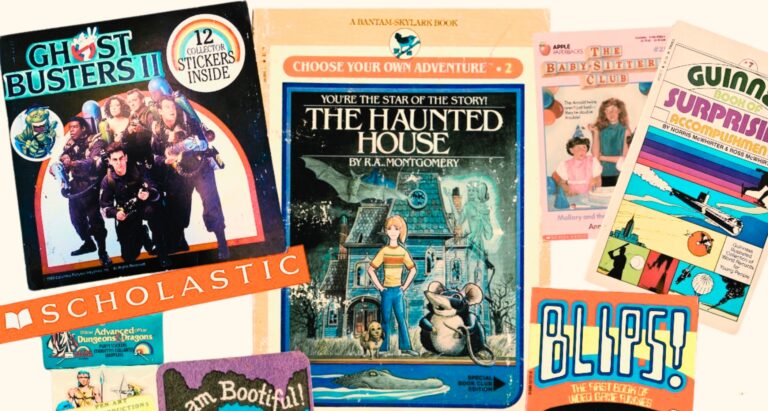
Oh, Scholastic Book Fair. If you made your way through a public school in North America anytime during the past half-century, you should recall that shiny catalog. That sudden, circus-like presence in the school library. On Monday, the critic Michelle Huneven wrote that the event has lost its magic, a sentiment that resonates deeply with a generation of readers who grew up on the thrill of the "book fair rush." But to claim the phenomenon is dead is to ignore the seismic shifts in how children access, consume, and value literature. The fair wasn't just a retail transaction; it was a rite of passage, a collective moment where a classroom paused its academic regimen to hunt for treasure.
For decades, this ritual served a specific, vital function in the ecosystem of childhood reading. It was the primary gateway for millions of students who never would have stepped into a bookstore, let alone bought a book, without that curated push. The "rush" created a sense of urgency and community; parents would line up with clipboards, children would scan the pages, and the air would hum with the excited chatter of discovery. It was a low-barrier entry point into the vast world of fiction, offering titles from beloved authors to obscure classics that might otherwise sit ignored on a home shelf. The shiny catalog acted as a menu of possibility, promising that somewhere among those rows was a book that would change the way you saw the world.
Yet, the machinery of the modern internet has dismantled the very foundations of that experience. The physical catalog is now obsolete, replaced by algorithms that promise infinite customization. We no longer need a physical intermediary to guide us through the landscape of literature; we have Amazon, Audible, and Kindle Direct Publishing delivering content to our pockets with a single click. The "rush" has evaporated, replaced by the passive, endless scroll of a digital marketplace where every title is available for immediate consumption, stripping away the scarcity that once gave the book fair its adrenaline.
Critics argue that this shift has degraded the cultural value of reading, suggesting that the curated, tactile experience of the fair was essential for cultivating a love of books. There is truth to this, but there is also a necessary evolution. The decline of the traditional book fair is not merely a failure of commerce or marketing; it is a symptom of a broader cultural reorientation toward instant gratification and personalized data. The question is no longer whether we read, but how we discover what we read. The loss of the fair is the loss of a specific type of communal discovery, one that required effort and the joy of the hunt, qualities that are increasingly rare in our digital landscape.
Ultimately, the story of the Scholastic Book Fair is a cautionary tale about what we lose when convenience becomes absolute. We have traded the chaotic, vibrant noise of the school gym for the quiet efficiency of an algorithm. While we have undoubtedly increased the volume of books read, we may have diminished the ritual of finding them. As we move forward, we must ask ourselves if there is a way to reclaim that sense of wonder, to inject a little more "circus" into our literary lives, even if the shiny catalog has been retired. The book is still there, but the magic of the hunt has been replaced by the ease of the search.
On Bluesky? Meet HomeSky.
Follower analytics, a growth toolkit, scheduling and AI posting — built for Bluesky. Connect your account and use everything free for 60 days.
Try HomeSky free →