Nikon Z5 IIC Review: Smaller, Prettier, and Mostly Capable
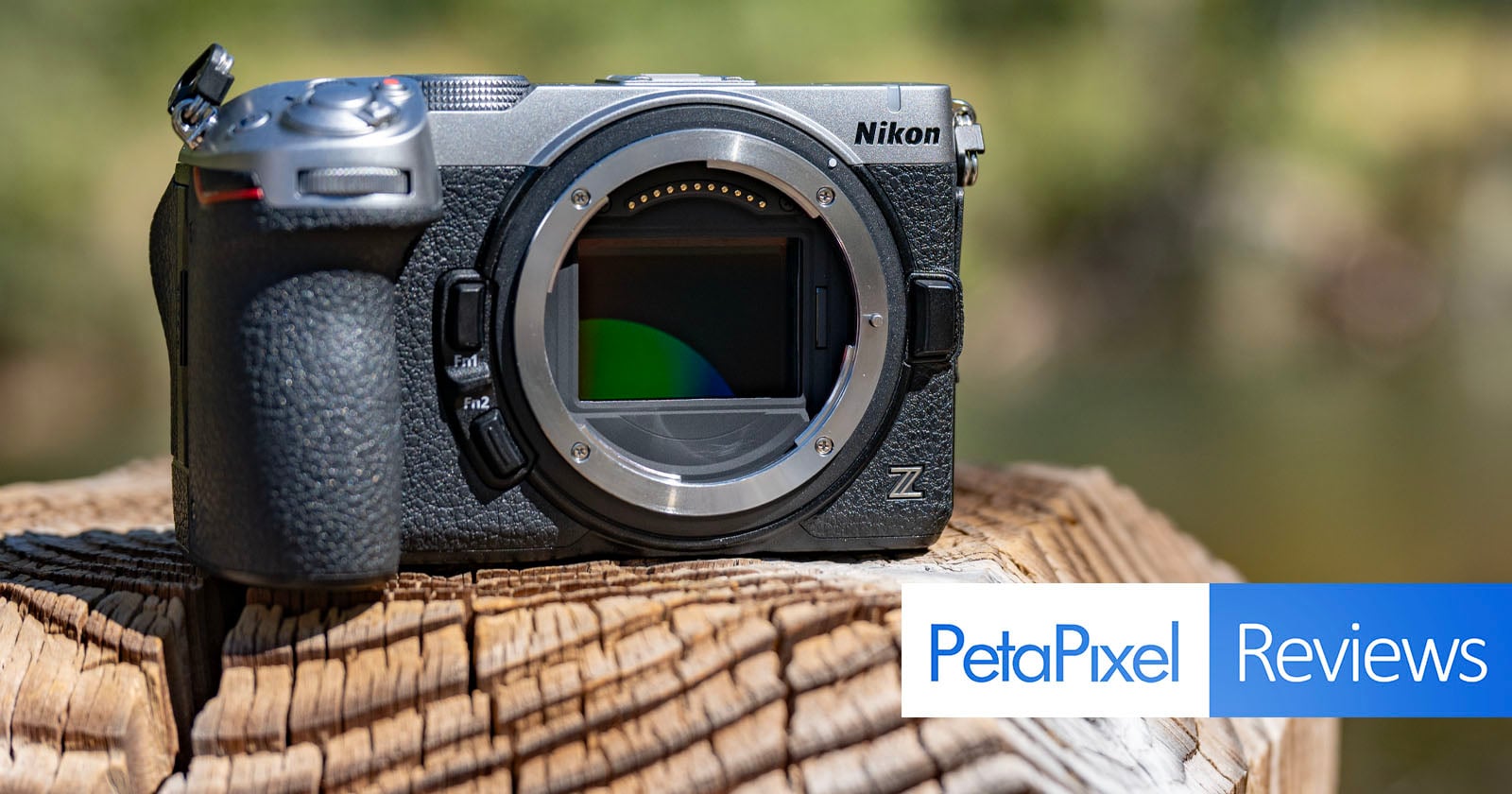
In the bustling, often chaotic world of consumer electronics, it is rare to find a camera that feels like a genuine revelation for those stepping up from the crop sensor realm. The Nikon Z5 II initially captured the market's imagination by offering a full-frame experience at a price point that made the dream of large-sensor photography accessible to hobbyists and aspiring professionals alike. It was a machine that felt surprisingly robust for its category, packing features that usually reserved for mid-range bodies. However, the laws of economics are unforgiving; as demand grew and supply chains stabilized, the price ticked upward, pushing it out of reach for the very budget-conscious buyers who made it a bestseller.
Enter the Z5 IIC, a creature that has emerged to reclaim that lower price point, landing at a compelling $1,399. At first glance, it presents itself as a refined evolution. The chassis has been slimmed down, shedding bulk without sacrificing the essential heft needed for handheld shooting. The aesthetic has been polished, moving from a utilitarian utility box to something that sits comfortably on a desk or looks elegant in a camera bag. For the photographer who values portability and design aesthetics, the Z5 IIC is an immediate winner, offering a tactile experience that feels modern and precise.
Yet, beneath this sleek exterior lies a significant compromise that cannot be ignored: the absence of an electronic viewfinder. In the digital age, this omission is almost jarring. The electronic viewfinder is not merely a luxury; it is the primary interface through which a photographer controls exposure, focuses, and composes in challenging light. By removing it, Nikon has effectively tethered the camera to the optical world of waist-level viewing or the LCD screen. While the LCD remains bright and responsive, the lack of an EVF forces users to rely on a screen that can be obstructed by bright sunlight or awkward angles, breaking the flow of creation for those who prefer to shoot eye-level.
This decision transforms the Z5 IIC from a complete standalone tool into a hybrid that requires a bit of adaptation. It is undeniably capable, boasting excellent autofocus systems and image stabilization that rival cameras twice its price. The sensor produces clean images with dynamic range that rivals much more expensive competitors. But the experience changes fundamentally. You are no longer just capturing images; you are managing a workflow that relies heavily on rear-screen composition. For a street photographer, a wedding shooter, or a wildlife enthusiast, this shift can feel like a step backward, forcing them to contend with glare and limited framing angles that an EVF would have solved effortlessly.
Ultimately, the Z5 IIC is a fascinating study in market segmentation and value engineering. It proves that a camera can still be a joy to use even without a viewfinder, provided the rest of the package is tight. It is the perfect solution for travel photographers who want a lightweight, pocketable full-frame shooter, or for studio users who shoot strictly on a tripod. However, for anyone seeking the complete, immersive experience of digital photography where the viewfinder is king, the Z5 IIC leaves a glaring hole in its armor. It is smaller, prettier, and mostly capable, but it is not quite the same beast as its predecessor.
On Bluesky? Meet HomeSky.
Follower analytics, a growth toolkit, scheduling and AI posting — built for Bluesky. Connect your account and use everything free for 60 days.
Try HomeSky free →