RFK Jr.'s CDC isn’t letting states order COVID-19 shots for kids, blocking access
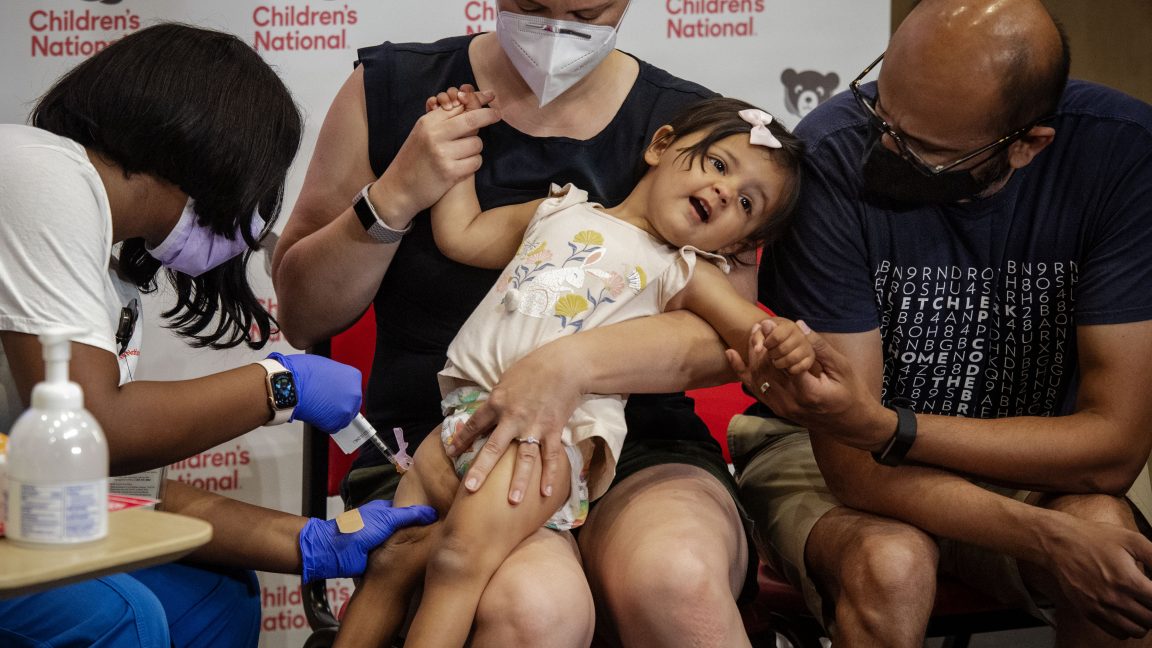
The recent intervention by the US Department of Health and Human Services into state-level vaccine procurement for children represents a significant shift in the federal approach to public health autonomy. While the stated goal is to ensure that vaccine orders remain "appropriate," the practical effect is a direct administrative blockage of states' ability to independently order shots for minors. This move effectively centralizes a decision that was previously distributed across fifty distinct jurisdictions, raising immediate questions about the balance between federal oversight and local governance during a health crisis.
The narrative surrounding childhood vaccination has long been a battleground of conflicting philosophies, yet this specific administrative maneuver introduces a new layer of complexity. By halting state orders, the federal department is asserting a level of control that transcends mere guidance, moving instead into the realm of direct command. This is not simply about safety protocols or dosage recommendations; it is a fundamental restructuring of how the supply chain operates at the grassroots level. When a state governor or health official attempts to secure necessary medical resources for their constituents, the new protocol suggests that Washington must first approve the very act of ordering.
The implications of this policy extend far beyond the logistics of shipping boxes of vaccines. It signals a broader trend toward federal consolidation where local nuance is subordinated to a monolithic national strategy. In the past, states had the flexibility to adapt their strategies based on local demographics, hospital capacity, and community sentiment. Now, a uniform standard is being imposed, potentially ignoring specific regional needs or preferences. This centralization creates a bottleneck, slowing down the distribution process and leaving communities in limbo as they wait for federal permission to act on their own behalf.
Critics argue that such interference undermines the trust between local authorities and their citizens. When communities feel that their ability to protect their children is being micromanaged by distant bureaucrats, the result is often increased skepticism and resistance. The rhetoric of "appropriateness" is vague and open to interpretation, allowing for a degree of political maneuvering that could alienate those who feel their rights are being disregarded. The health of a child should ideally be the primary concern, free from the secondary complications of bureaucratic gridlock or ideological disputes over federal authority.
However, the administration likely views this as a necessary step to ensure consistency and prevent hoarding or misuse of scarce resources. In times of emergency, the temptation to centralize power is often seen as a virtue rather than a flaw. The argument is that a unified front prevents gaps in coverage and ensures that every child, regardless of their zip code, has equal access to the shot. Yet, the execution of this vision appears to be hampered by its own rigidity. By blocking state orders, the system may be creating new shortages rather than solving the old ones, as local entities are stripped of the agency to respond quickly to emerging needs.
Ultimately, this episode serves as a stark reminder of the enduring tension between federal unity and state sovereignty. As the pandemic evolves, the mechanisms of public health must adapt, but they must do so without sacrificing the democratic principle that local governments are best positioned to serve their own populations. The promise of "appropriate" vaccine distribution is a noble one, but it cannot be achieved at the cost of paralyzing the very states tasked with delivering those vaccines to the most vulnerable among us.
On Bluesky? Meet HomeSky.
Follower analytics, a growth toolkit, scheduling and AI posting — built for Bluesky. Connect your account and use everything free for 60 days.
Try HomeSky free →