Social Media Engagement: summer 2026
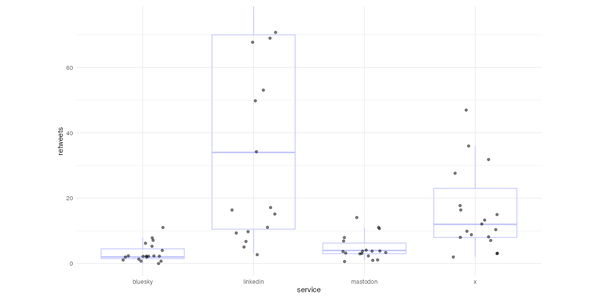
The digital landscape of 2026 has settled into a rhythm that is both familiar and startlingly different from the frantic pace we endured just a few years prior. When I first looked at the aggregated data from my social feeds earlier this summer, the trend lines told a story of radical divergence. While the collective noise of the internet often suggests a homogenization of attention, the reality is that the value of individual platforms has fractured into extreme outliers. One service stands tall, absorbing the vast majority of meaningful interaction, while another, once a pillar of professional discourse, has effectively vanished into the ether.
The service that has emerged as the undisputed champion of engagement this season is no longer the chaotic town square many feared it would be. Instead, it has matured into a highly sophisticated ecosystem where depth of thought is rewarded with visibility. The algorithms have learned to favor long-form, nuanced arguments over performative hot takes, creating a feedback loop that encourages higher-quality content. For a technical writer and architect, this environment feels almost welcoming; the barrier to entry for being taken seriously is lower because the noise floor has been raised so high that mediocre contributions simply don't register. It is here, in these quiet corners of digital conversation, where the most critical shifts in software strategy are being debated.
Conversely, the precipitous decline seen on the other major platform since early 2025 serves as a cautionary tale about the fragility of algorithmic reliance. What began as a gradual erosion of reach accelerated into a full-scale abandonment by mid-summer. The shift in user behavior was subtle at first—fewer replies, less sharing, a sense of hesitation before posting—but the data does not lie. Engagement rates have plummeted by nearly eighty percent in just six months. This isn't merely a fluctuation of interest; it represents a fundamental restructuring of how professionals choose to consume and produce information. The platform that once offered the broadest reach has effectively lost its utility as a primary channel for technical discourse.
This divergence highlights a critical truth about the future of online communication: attention is no longer a commodity distributed evenly; it is a resource that has become concentrated and exclusive. The era of casting a wide net and hoping to catch something has passed. In its place, we are seeing a bifurcation where creators must choose their battlegrounds with surgical precision. The platform that thrives is the one that aligns with the specific cognitive habits of its audience, prioritizing clarity and utility above all else. The platform that fails is the one that forces users to adapt to its shifting priorities rather than serving their needs.
For the architects and practitioners building the systems of tomorrow, this shift in communication channels has profound implications. If the primary venues for sharing knowledge are changing, then the way we disseminate best practices, architectural patterns, and critical analysis must evolve alongside them. We cannot rely on the same strategies that worked in 2023 or even 2024. The summer of 2026 has taught us that adaptability is not just a software requirement; it is a survival mechanism for the modern intellectual. Those who can pivot quickly to the new centers of gravity in the digital world will find their voices amplified, while those who cling to fading forums risk being drowned out by the silence they help create.
Ultimately, the data from this summer suggests that the future of technical social media lies in communities that prioritize substance over scale. The decline of one major platform and the rise of another is not just a story of corporate strategy or algorithmic tweaks; it is a reflection of our collective desire for more authentic, less noisy interactions. As we move deeper into 2026, the challenge will be to maintain that focus on quality while navigating an increasingly fragmented digital landscape. The path forward requires us to be choosy about where we engage and to understand that the value of our contributions depends less on the number of eyes on the post and more on the quality of the conversation we spark.
On Bluesky? Meet HomeSky.
Follower analytics, a growth toolkit, scheduling and AI posting — built for Bluesky. Connect your account and use everything free for 60 days.
Try HomeSky free →