The Fujifilm Instax Pal 2 Digicam Looks Nothing Like its Weird Predecessor
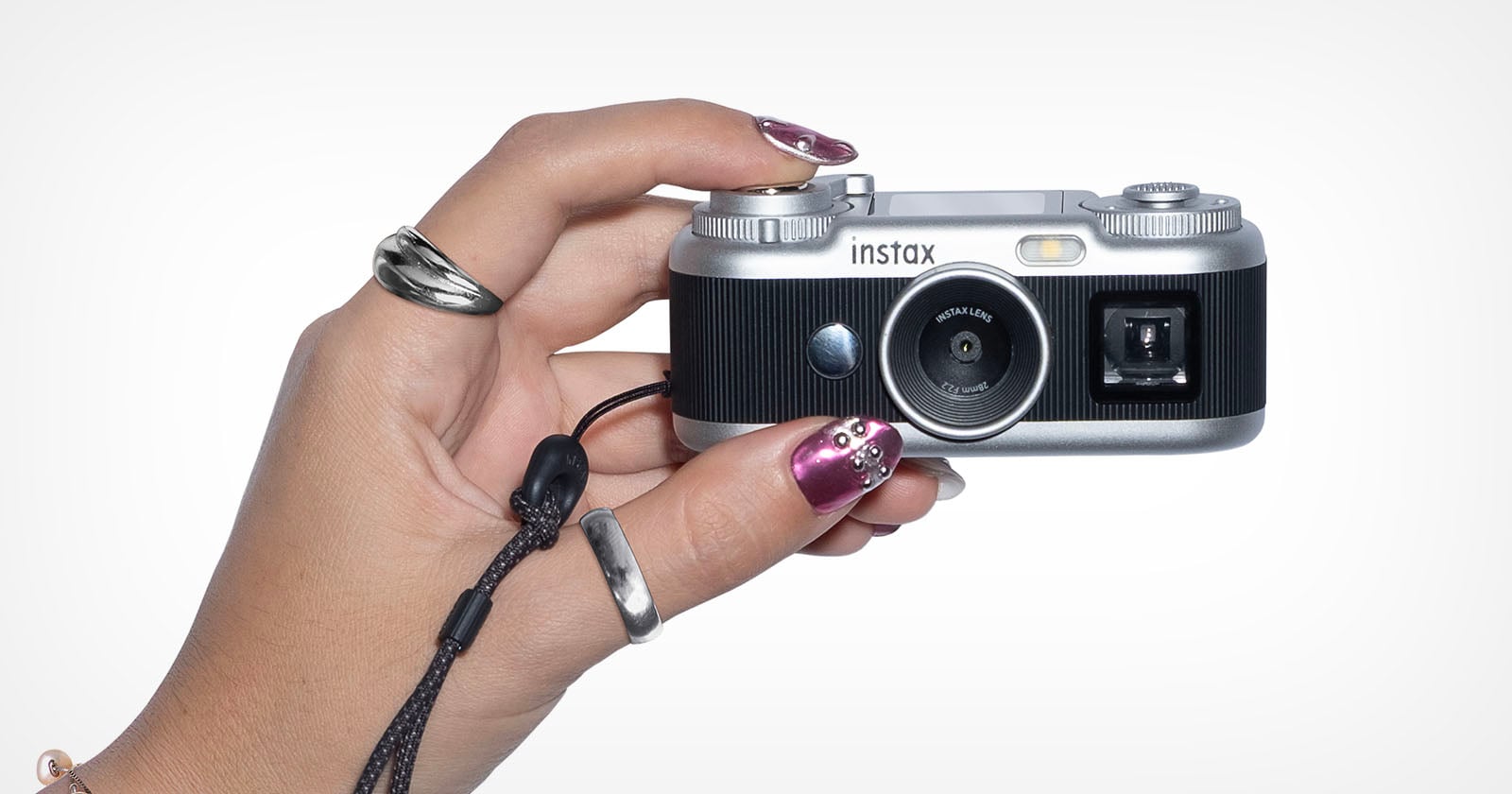
In the annals of Fujifilm's recent history, the Instax Pal was a peculiar outlier, a tiny digital camera disguised as a point-and-shoot from the early 2000s that felt more like a museum piece than a cutting-edge gadget. It was a device that defied the sleek curves of the modern era, looking like a relic of a simpler time when cameras were just black rectangles with a lens and a viewfinder. Now, Fujifilm has introduced the Instax Pal 2, and while it retains the compact form factor that made its predecessor so unique, it shares almost nothing else with it. The visual DNA has been completely rewritten, shedding the awkward, utilitarian aesthetic for something that feels both retro-futuristic and delightfully analog.
This shift in design is not merely cosmetic; it is a deliberate statement about the soul of a camera in an age of smartphone ubiquity. The new Instax Pal 2 embraces a visual language that mimics the tactile experience of film cameras, complete with a prominent dial for shutter speed and a viewfinder that invites the photographer to actually look through the glass rather than squint at a tiny LCD screen. It is a reaction against the sterile, glass-slab interfaces of contemporary technology. By grounding the device in physical controls and an unmistakable personality, Fujifilm is trying to remind us that photography is an act of engagement, not just a passive capture of light.
The changes extend far beyond the exterior shell. Internally, the Pal 2 represents a significant evolution in how this class of compact cameras operates. Where the original Pal was often criticized for its sluggish performance and lack of features, the new iteration integrates a modern sensor that delivers sharpness and dynamic range far superior to its predecessor. This internal upgrade is crucial because it proves that form does not have to dictate function. The camera can be small, portable, and charmingly weird, yet still possess the technical competence required for serious photography. It bridges the gap between the whimsical and the professional.
There is a deeper narrative at play here regarding the relationship between humans and their tools. We live in a world where cameras are everywhere, embedded in our wrists and pockets, often invisible to the user until the moment of capture. The Instax Pal 2 forces a pause. Its new analog-inspired look demands interaction; you must turn the dial, you must frame the shot, you must press the button with intent. It strips away the convenience of the smartphone to offer a different kind of convenience: the convenience of presence. In a culture of instant digital saturation, this device offers a moment of deliberate slowness, encouraging the photographer to slow down and see the world more clearly.
Ultimately, the Instax Pal 2 is a love letter to the quirks of the past, reimagined for a future that desperately needs them. It acknowledges that the most compelling cameras are often the ones that refuse to blend in. By ditching the weirdness of the first generation and replacing it with a sophisticated, yet characterful design, Fujifilm has created a tool that feels like it belongs on a desk next to a collection of vintage lenses. It is not trying to be the best camera in the world; it is trying to be the most human. And in doing so, it may just find the one thing that matters most in photography: the joy of the click.
On Bluesky? Meet HomeSky.
Follower analytics, a growth toolkit, scheduling and AI posting — built for Bluesky. Connect your account and use everything free for 60 days.
Try HomeSky free →