Apple TV Will Shoot Friday's Giants-Dodgers Game With 14 iPhone 18 Pros Hidden Around Dodger Stadium
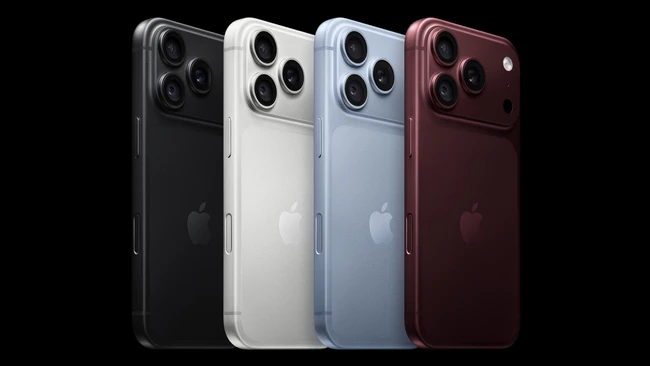
It is one of the great ironies of modern broadcasting that the most advanced television cameras in the world will soon be replaced by devices that fit easily in a human palm. For years, the pursuit of the perfect shot at a live sporting event has driven the aerospace industry and Hollywood alike, pushing lenses to the limit and rigs to the breaking point. Now, the hunt for that unobstructed, crystal-clear view of the Giants taking on the Dodgers has found a new home inside the sleek aluminum chassis of the iPhone 18 Pro. This isn't just a gimmick; it is a calculated gamble by Apple TV to redefine the very nature of how we consume live sports, turning the stadium into a distributed sensor network rather than a stage for a single, omnipotent camera crew.
The logistics of hiding fourteen of these powerhouses around Dodger Stadium are nothing short of a heist. These aren't standard production units sitting on pedestals; they must be covertly integrated into the fabric of the game, perhaps disguised as security equipment, mounted on light poles, or embedded within the very seats of the stands. The goal is to capture angles that traditional broadcasters have never dared to attempt: a low-angle drone shot rising from the warning track, a high-definition view from directly behind home plate that captures the batter's reaction in real-time, and perhaps even a perspective from the dugout that feels like you are standing right in the mud. It is a deployment of military-grade stealth applied to the entertainment industry, ensuring that the data stream comes from everywhere at once, creating a mosaic of reality that feels more immersive than any single viewpoint could ever achieve.
What makes this experiment truly revolutionary is not just the resolution, but the intelligence built into the swarm. The iPhone 18 Pros are not merely recording; they are likely communicating with each other in real-time, sharing telemetry and adjusting their framing based on the flow of the game. If a home run is hit, the fourteen cameras don't just record the moment; they anticipate the trajectory, locking onto the ball before it clears the fence and stitching together a continuous shot that traditional broadcast towers simply cannot match. This is the end of the "cut" in television editing, replaced by a seamless, algorithmic narrative that the phones construct for the viewer as the play unfolds.
For the fan at home, the result is a shift from passive observation to active immersion. We are moving away from the static, wide-angle view that tells us where the action is, and toward a dynamic, first-person experience that places us in the chaos of the moment. The ability to switch between these fourteen perspectives instantly means we can see the game exactly as we choose, whether that is the grandeur of the stadium lights or the gritty detail of the grass being kicked up by the sliding runner. It democratizes the viewing experience, stripping away the corporate lens of the network and letting the raw, unfiltered reality of the sport shine through the eyes of the machine.
This is more than a technical upgrade; it is a cultural shift in how we relate to the events we watch. By scattering these cameras across the crowd, Apple is effectively blurring the line between the spectator and the participant. The game becomes a shared digital entity, recorded by the collective gaze of the stadium itself. As the final out is recorded and the screens at home light up with a clarity that rivals the actual field, we are left wondering if the traditional broadcast crew, with their towering cranes and miles of cable, will ever feel quite as necessary again. The future of sports broadcasting is not a single eye watching the game, but a thousand eyes, all working in perfect, silent unison.
On Bluesky? Meet HomeSky.
Follower analytics, a growth toolkit, scheduling and AI posting — built for Bluesky. Connect your account and use everything free for 60 days.
Try HomeSky free →