Data Broker Radaris Loses Domains in Privacy Fight
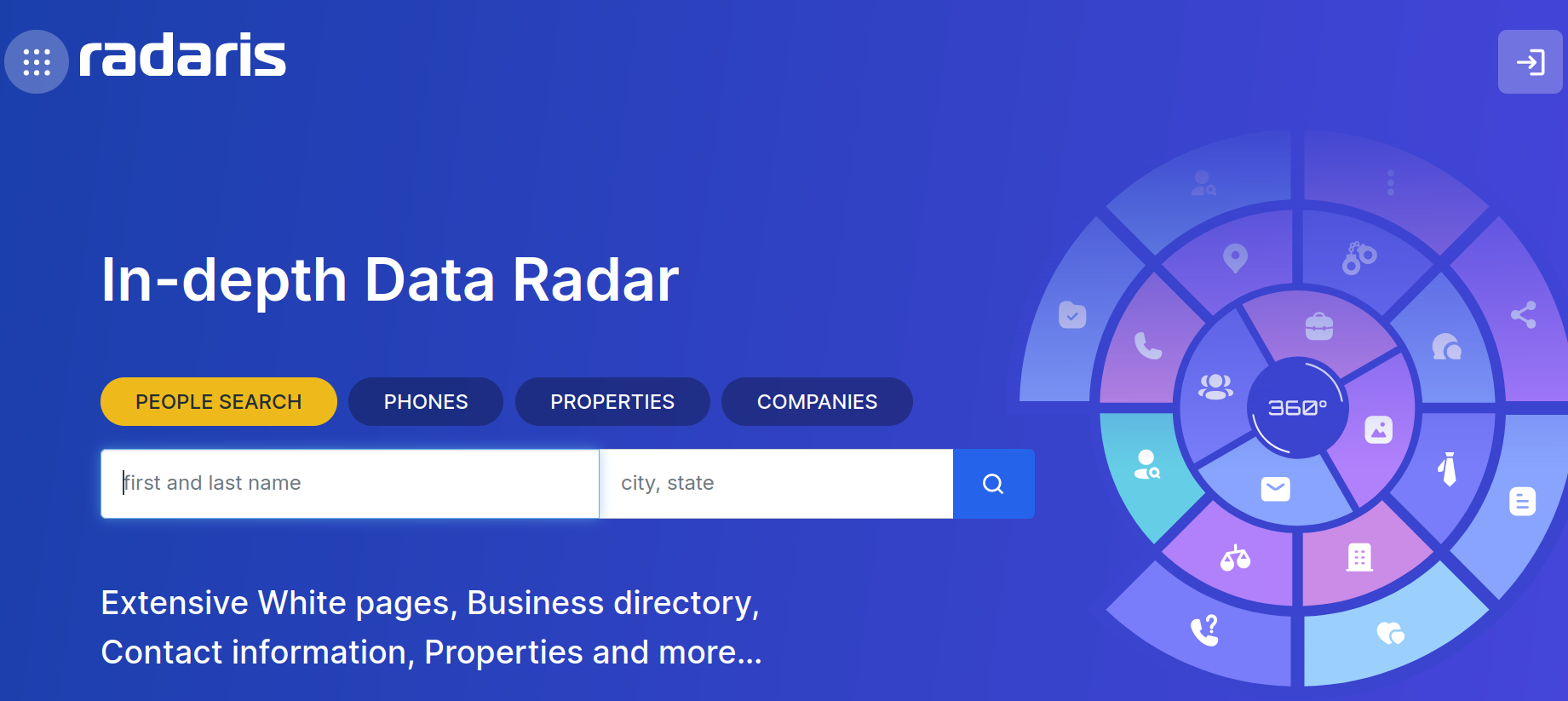
The digital age has birthed a shadow economy where the most intimate details of our lives are treated as currency, and few players in this marketplace are as aggressive or notorious as Radaris. For years, the company has operated under a cloud of controversy, building a vast empire of people-search services that aggregate public records into invasive profiles. The core of their business model has always relied on a willingness to ignore the pleas of individuals seeking to protect their privacy, effectively treating personal data as a commodity to be hoarded rather than a right to be respected. This pattern of stonewalling is not merely a matter of corporate policy; it is a fundamental challenge to the concept of informed consent in the digital realm.
The recent legal skirmish involving Radaris serves as a stark reminder that such tactics have a breaking point. The lawsuit, which alleges violations of New Jersey privacy law, targets the specific act of publishing personal information on state law enforcement officials. While the law is designed to protect the anonymity of those enforcing the law, the data broker industry has often viewed such statutes as obstacles to be circumvented rather than boundaries to be respected. The court's response to this attitude was swift and decisive: after facing repeated prevarication and obstruction from Radaris's legal team, a judge ordered the transfer of the company's primary domain and more than a dozen others. This is not just a legal victory; it is a strategic dismantling of a corporate fortress built on the backs of ignored privacy requests.
What makes this case particularly significant is the precedent it sets for the entire industry of consumer data brokerage. The threat of hefty fines under state laws is a blunt instrument, but when wielded effectively, it can alter the calculus of risk for even the most entrenched players. The transfer of domains acts as an immediate severing of the bridge between the public and the private data held by these entities. It signals to the wider market that the era of unchecked aggregation, where companies can simply ignore removal requests without consequence, may be drawing to a close. This is a critical pivot point in the ongoing battle over who owns our digital footprints.
For the average citizen, the implications are profound and immediate. The ability to disappear from the public eye has long been a luxury reserved for the wealthy or the powerful, while the rest of us are cataloged, cross-referenced, and sold to the highest bidder. The removal of Radaris's domains offers a fleeting moment of respite, a chance for individuals to reclaim a modicum of control over their identities. However, the broader lesson here is that privacy is not a static right but a dynamic struggle that requires constant vigilance and enforcement. Without mechanisms like these lawsuits to hold data brokers accountable, the balance will inevitably tip further in favor of corporate exploitation.
Ultimately, the story of Radaris is a microcosm of the larger tension between convenience and privacy in the modern world. We trade our data for free services, social connection, and the illusion of efficiency, often without realizing the full extent of the cost. When a court finally steps in to enforce a privacy law, it validates the fears of millions who have long felt powerless against the algorithms and lawyers of the data broker industry. The transfer of these domains is a small but symbolic victory, a testament to the fact that even in an age of pervasive surveillance, the law can still serve as a shield for the individual against the encroaching machine.
On Bluesky? Meet HomeSky.
Follower analytics, a growth toolkit, scheduling and AI posting — built for Bluesky. Connect your account and use everything free for 60 days.
Try HomeSky free →